Get a Free Estimate Today!
Why Humidity Control Matters During Long Storage
Storing belongings for an extended period can feel like a safe pause between moves—but without proper humidity control, long-term storage can quietly damage your most valuable items. Many people focus on packing boxes securely yet overlook how moisture in the air can affect furniture, electronics, documents, and commercial inventory over time.
This blog explains why humidity matters, what problems it causes, and how proper control protects your belongings during long storage—whether you’re a homeowner, business owner, or managing a commercial relocation.
The Core Problem: Humidity Is an Invisible Threat
Humidity refers to the amount of moisture present in the air. While moderate humidity is harmless, excess moisture over long periods leads to deterioration, even in sealed boxes.
According to the U.S. Environmental Protection Agency (EPA), indoor humidity levels above 60% significantly increase the risk of mold growth, while levels below 30% can cause drying, cracking, and warping of materials.
During long storage, items are exposed continuously—making humidity control essential, not optional.
Common Problems Caused by Poor Humidity Control
1. Mold and Mildew Growth
High humidity creates the perfect environment for mold spores to thrive. Fabric sofas, mattresses, carpets, and clothing absorb moisture and develop odors, stains, or visible mold.
Real-world example:
A storage facility study published by the Journal of Building Physics found that mold growth can begin on organic materials within 48–72 hours when humidity exceeds 65%.
2. Wood Warping and Cracking
Wooden furniture, musical instruments, and cabinets expand when exposed to moisture and contract when conditions change.
Result:
- Warped doors
- Split table tops
- Loose joints in antique furniture
Once damaged, restoration is often expensive or impossible.
3. Electronics Corrosion and Failure
Electronics are especially sensitive. Moist air causes internal corrosion, short circuits, and permanent damage—even if devices are powered off.
This is a major concern during commercial storage, particularly when businesses rely on server equipment, POS systems, or office electronics handled through Commercial Moving Services in Fairfield CT.
4. Paper Damage and Ink Bleeding
Important documents, books, photographs, and artwork degrade quickly in humid environments.
Humidity causes:
- Yellowing paper
- Ink bleeding
- Pages sticking together
For legal records or family archives, this damage is irreversible.
5. Rust on Metal Items
Tools, machinery, shelving, and appliances are vulnerable to rust when stored without humidity regulation. Even light surface rust reduces lifespan and resale value.
Why Long-Term Storage Increases the Risk?
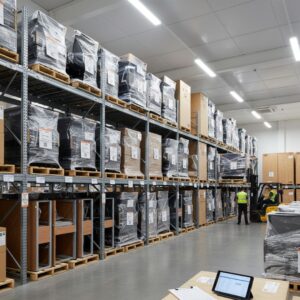
Short-term exposure may cause minimal damage, but long-term storage amplifies small issues into serious losses.
Key risk factors include:
- Seasonal humidity changes
- Poor ventilation
- Non–climate-controlled storage units
- Lack of moisture barriers during packing
For customers using Local Moving Services in Westport CT, long storage periods often occur during home renovations, downsizing, or delayed closings—making humidity control even more critical.
The Ideal Humidity Range for Storage
Experts recommend keeping storage environments between:
- 40%–55% relative humidity
- Temperature: 55°F–75°F
This range prevents mold growth while avoiding over-drying of wood, leather, and paper.
Practical Solutions to Control Humidity During Storage
- Choose Climate-Controlled Storage
Climate-controlled units regulate both temperature and humidity, offering the highest level of protection for long-term storage.
- Use Proper Packing Materials
- Plastic bins for moisture-sensitive items
- Silica gel packets inside electronics boxes
- Acid-free paper for documents
- Furniture covers that allow airflow (not plastic wrap)
- Elevate Stored Items
Keeping boxes and furniture off the floor reduces exposure to condensation and water seepage.
- Monitor Humidity Levels
Simple digital hygrometers cost little but provide ongoing visibility into moisture conditions—especially useful for business inventory.
Case Study: Business Inventory Loss Due to Humidity
A small retail business stored excess inventory in a non-climate-controlled unit for six months. When retrieved, over 30% of boxed goods showed mold contamination, resulting in financial losses exceeding $18,000.
After switching to climate-controlled storage with proper packing and humidity monitoring, no further losses occurred—demonstrating how prevention is far cheaper than replacement.
How Real Moving & Storage Helps Protect Stored Belongings?
At Real Moving & Storage, we understand that storage isn’t just about space—it’s about protection.
We are a trusted, family-owned moving company serving Fairfield, CT, since 2006, founded by Lucas Pinto, who brings over 25 years of moving industry experience. Our team specializes in residential and commercial moves with professional packing and storage solutions designed to reduce moisture exposure and long-term damage.
Unlike large corporate movers, we focus on personalized service, private trucks, and careful handling, ensuring items remain safe during both transit and storage—because every move truly matters to us.
Final Thoughts: Humidity Control Is Protection, Not an Upgrade
Humidity damage happens quietly, gradually, and often without warning. By the time issues appear, the damage is usually permanent.
Whether storing household belongings or business assets, humidity control is one of the most important factors in long-term storage success. Choosing the right storage conditions today can prevent costly losses tomorrow.