Get a Free Estimate Today!
What Is Last Mile Delivery?
Introduction: Why Last Mile Delivery Matters More Than Ever
In today’s fast-moving logistics world, customers don’t judge a delivery by how far it traveled—but by how smoothly it arrived at their doorstep. This final phase is known as last mile delivery, and it often determines whether a customer feels satisfied or frustrated.
From ecommerce parcels to furniture, appliances, and household goods, the last mile is the most complex and expensive part of the delivery journey. In this comparison-focused blog, we’ll break down what last mile delivery really means, how it compares to other delivery stages, and why it plays a crucial role in both logistics and moving services.
What Is Last Mile Delivery? (Simple Definition)
Last mile delivery refers to the final step in the supply chain, where goods are transported from a local hub, warehouse, or distribution center directly to the end customer’s location—usually a home or business.
Unlike long-distance transportation, this stage involves navigating local roads, tight schedules, customer availability, and precise handling. Because it’s customer-facing, even small delays or mistakes are highly noticeable.
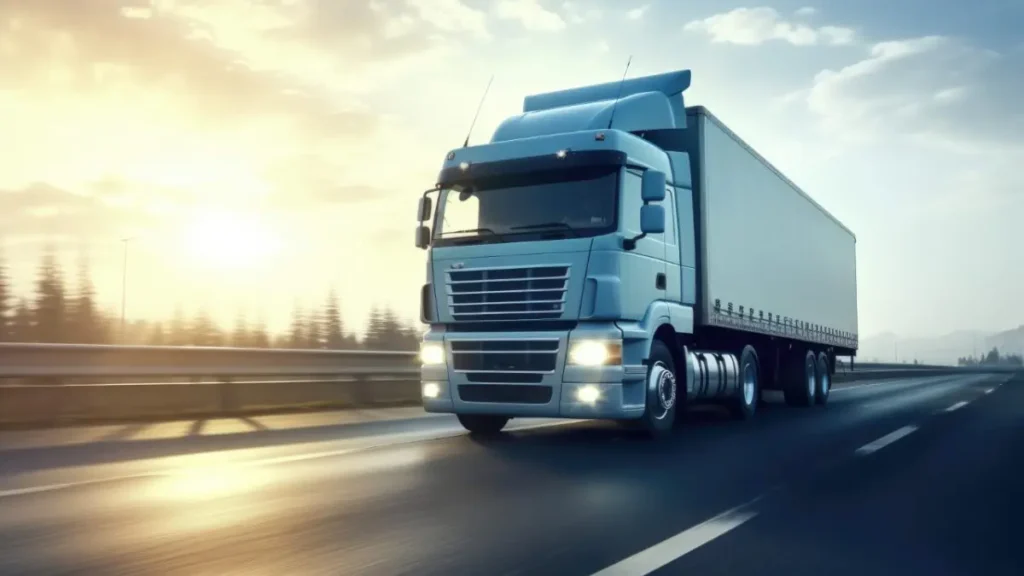
Last Mile Delivery vs First Mile & Middle Mile
To truly understand last mile delivery, it helps to compare it with other logistics stages.
First Mile Delivery
What it is: Movement of goods from the manufacturer or seller to a warehouse or distribution center.
Focus: Bulk transport, cost efficiency, and large-scale operations.
Customer interaction: None.
Middle Mile Delivery
What it is: Transportation between warehouses, fulfillment centers, or regional hubs.
Focus: Speed, route optimization, and inventory balancing.
Customer interaction: Minimal or none.
Last Mile Delivery
What it is: Delivery from the nearest hub to the customer’s doorstep.
Focus: Accuracy, timing, communication, and care.
Customer interaction: High.
Comparison Insight:
While first and middle mile deliveries prioritize efficiency and volume, last mile delivery prioritizes experience and reliability, making it the most sensitive and costly stage.
Why Last Mile Delivery Is the Most Challenging Stage?
Compared to other logistics phases, last mile delivery faces unique challenges:
- Unpredictable traffic and local road conditions
- Missed delivery attempts due to customer unavailability
- Higher fuel and labor costs per shipment
- Special handling for fragile or oversized items
- Tight delivery windows and same-day expectations
These challenges explain why last mile delivery can account for over 50% of total shipping costs, despite covering the shortest distance.
Last Mile Delivery in Logistics vs Moving Services
Last mile delivery isn’t limited to ecommerce parcels. Its role differs depending on the industry.
Ecommerce & Retail Deliveries
- Small to medium-sized packages
- High delivery volume
- Speed-focused (same-day or next-day delivery)
- Often automated or route-optimized
Furniture, Appliances & Home Moving
- Large, heavy, or fragile items
- Requires trained professionals
- Focus on careful handling, placement, and setup
- Often involves stairs, elevators, or narrow access points
In moving services, last mile delivery becomes more personalized. For example, during Residential Moving in Fairfield CT, the last mile is not just about arrival—it’s about safely delivering belongings into the right rooms without damage or stress.
Urban vs Suburban Last Mile Delivery: A Practical Comparison
Urban Areas
Pros:
- Shorter distances
- Dense delivery zones
Cons:
- Traffic congestion
- Parking limitations
- Strict building access rules
Suburban Areas
Pros:
- Easier parking
- Fewer access restrictions
Cons:
- Longer driving distances
- Fewer deliveries per route
In places where neighborhoods are spread out, such as when using a Local Moving Service in Norwalk CT, planning and route efficiency become critical to avoid delays and unnecessary costs.
Last Mile Delivery for Long-Distance Moves
For long-distance transportation, many assume the hardest part is the cross-state journey. In reality, the final delivery phase is often the most delicate.
During a long-distance relocation, items may travel hundreds of miles smoothly—but the last mile involves unloading, maneuvering large items, and ensuring everything arrives intact. This is especially true when working with a Long Distance Moving Company in Wilton CT, where precision and coordination at the final destination define the overall success of the move.
Technology vs Human Expertise in Last Mile Delivery
A key comparison in modern logistics is automation versus human involvement.
Technology-Driven Approaches
- GPS route optimization
- Real-time tracking
- Automated delivery notifications
Human-Centered Expertise
- Careful handling of fragile goods
- On-site decision-making
- Personalized customer interaction
Best Practice:
The most effective last mile delivery combines smart technology with experienced professionals, ensuring both efficiency and trust.
Cost Comparison: Why Last Mile Delivery Costs More
Even though it covers the shortest distance, last mile delivery often costs more per unit than earlier stages.
Reasons include:
- Lower delivery density
- Individual drop-offs
- Labor-intensive handling
- Fuel inefficiency
In moving services, these costs are justified by added value—careful handling, proper placement, and reduced risk of damage.
Trust, Safety, and Accountability in the Last Mile
Because last mile delivery is the only stage customers directly experience, trust plays a major role.
Customers expect:
- Clear communication
- On-time arrival
- Respect for their property
- Safe handling of valuables
This is why professional, insured, and experienced service providers stand apart from low-cost, unverified operators.
A Trusted Name in Last Mile Moving Services
At Real Moving & Storage, last mile delivery is treated as the most important part of the entire relocation process. As a trusted, family-owned moving company proudly serving Fairfield, CT since 2006, the company was founded by Lucas Pinto, who brings over 25 years of moving industry experience.
Real Moving & Storage specializes in both local and long-distance residential and commercial moves, offering personalized service, private trucks, and professional packing, moving, and storage solutions. Unlike large corporate movers, the focus here is on reliability, care, and long-term customer relationships—because every move truly matters.
Contact Details
Phone:
(203) 300-3530
(866) 296-4009
Our Address:
13 Francis J Clarke Cir, Bethel, CT
https://share.google/hz7AqSiKDBcMLhgeL
Also Find Us Here:
808 Post Road, Fairfield, CT
https://share.google/I8rOyzQeXylFlTBYm
Conclusion: Why Last Mile Delivery Defines the Experience
When comparing all stages of logistics and moving services, last mile delivery clearly stands out as the most impactful. It’s where planning meets execution, and where promises are either fulfilled or broken.
Whether it’s a small package or an entire household, success depends on careful coordination, trained professionals, and a customer-first approach. Understanding last mile delivery helps customers make informed decisions—and choose service providers they can truly rely on.