Get a Free Estimate Today!
Smart Strategies Movers Use to Protect Your Walls and Floors While Moving Furniture
When people think about moving, they usually worry about broken furniture or lost boxes. What often gets overlooked is the damage caused to walls, floors, doors, and corners during the move. Scratched hardwood, chipped paint, dented drywall, and torn carpets are common problems—especially when heavy furniture is moved through tight spaces.
This case study blog explores a real-life moving scenario to explain how professional movers use smart strategies to protect walls and floors, and why these techniques make a critical difference in a damage-free move.
The Situation: A Fully Furnished Home With Tight Spaces
In this case, a family was preparing to relocate from a multi-level home with:
- Hardwood flooring
- Narrow hallways
- Freshly painted walls
- Heavy furniture including sectional sofas, wardrobes, and dining tables
The homeowners were concerned—not about packing—but about potential damage to their interiors. They had invested significantly in their home and wanted it protected throughout the move.
This is a common concern for homeowners planning Residential Moving in Fairfield CT, where homes often feature finished flooring and detailed interiors that require careful handling.
Step 1: Pre-Move Walkthrough and Risk Assessment
Professional movers begin by assessing risk points before touching any furniture. This includes:
- Measuring doorways and stairwells
- Identifying sharp turns and narrow passages
- Noting delicate surfaces such as hardwood, tiles, and freshly painted walls
In this case, movers marked high-risk zones like stair edges, corners, and entryways. This planning phase prevents rushed decisions during lifting, which is when most damage happens.
Step 2: Floor Protection Comes First
Before moving any furniture, the team protected the floors using:
- Heavy-duty floor runners
- Non-slip protective sheets
- Cardboard layering in high-traffic areas
This approach ensured that dirt, grit, and heavy furniture legs never made direct contact with the flooring. For shorter-distance relocations handled by a Local Moving Service in Norwalk CT, this step is especially important because repeated trips in and out of the home increase floor wear.
Step 3: Wall and Corner Shielding Techniques
Walls take the most abuse during furniture movement. To prevent damage, movers used:
- Padded wall guards in tight hallways
- Corner protectors on sharp edges
- Furniture blankets secured with wrap
Instead of carrying furniture upright through narrow spaces, items were angled, tilted, or disassembled to avoid scraping. This method significantly reduced the chance of chipped paint or drywall dents.
Step 4: Disassembly to Reduce Risk
Large furniture pieces are responsible for most wall and floor damage. In this case study, movers:
- Removed legs from sofas and tables
- Disassembled bed frames and wardrobes
- Packed hardware separately and labeled it clearly
Disassembly not only protected the home but also made furniture lighter and easier to control. This strategy becomes even more critical during long relocations coordinated with a Long Distance Moving Company in Wilton CT, where stability and protection over extended transport are essential.
Step 5: Proper Equipment and Trained Handling
Professional movers rely on specialized tools such as:
- Furniture dollies with rubber wheels
- Shoulder lifting straps for balance
- Door jamb protectors
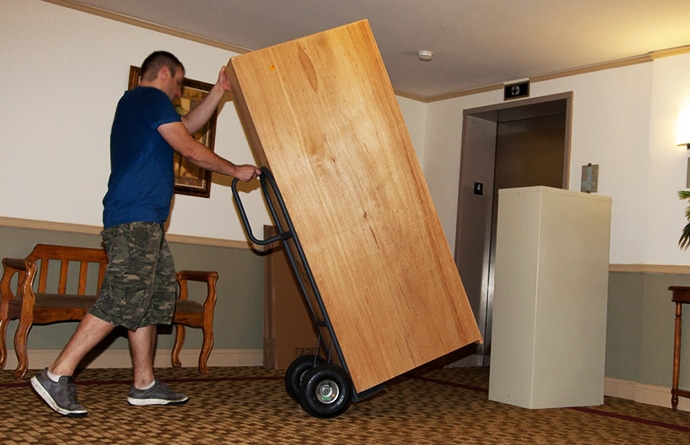
In this case, dollies were used to glide heavy items across protected surfaces, eliminating dragging. Movers communicated clearly during lifting, ensuring synchronized movement through doorways and stairs.
This level of coordination is a key difference between professional movers and casual labor.
Step 6: Controlled Loading and Exit Strategy
Even the final exit from the house can cause damage if rushed. Movers followed a clear exit plan:
- One person guided from the front
- One person monitored wall clearance
- One person managed door protection
Entry doors were padded, thresholds were covered, and the truck ramp was aligned carefully to avoid sudden drops or jolts.
Results: Zero Damage and Peace of Mind
After the move:
- No scratches on hardwood floors
- No scuff marks on walls
- No chipped corners or damaged door frames
The homeowners were able to hand over their property in excellent condition, avoiding repair costs and security deposit deductions. This outcome highlights how professional strategy—not luck—prevents damage during a move.
Why These Strategies Matter for Every Move?
Many people assume wall and floor damage is unavoidable during moving. This case study proves otherwise. Damage usually happens due to:
- Lack of planning
- Improper equipment
- Untrained handling
Professional movers follow structured methods that protect both belongings and the home itself.
A Professional Perspective from Real Moving & Storage
At Real Moving & Storage, protecting a client’s home is treated as seriously as protecting their belongings. As a family-owned moving company serving Fairfield, CT since 2006, they understand that walls, floors, and finishes represent a major investment for homeowners.
Founded by Lucas Pinto, who brings over 25 years of moving industry experience, the company emphasizes preparation, trained crews, and the use of proper protective materials. With private trucks and professional packing, moving, and storage solutions, their approach focuses on minimizing risk at every stage of the move.
Rather than rushing jobs, they prioritize careful handling, clear communication, and long-term customer trust—ensuring that homes are left in the same condition they were found.
Contact Information
Real Moving & Storage
(203) 300-3530
(866) 296-4009
13 Francis J Clarke Cir, Bethel, CT
808 Post Road, Fairfield, CT
Final Takeaway
Protecting walls and floors during a move is not about being extra careful—it’s about using the right strategies, tools, and experience. This case study clearly shows how professional movers prevent damage through planning, protection, and precision.
When movers work smart, your home stays intact—and your move stays stress-free.