Get a Free Estimate Today!
Warehouse Relocations: Logistics Challenges Explained
Relocating a warehouse is not like moving a home or office. It involves intricate planning, careful execution, and precise coordination to minimize disruption. Warehouse relocations are high-stakes operations where every error can cause financial loss or operational delays. Understanding the challenges and preparing for them is essential for businesses of all sizes.
This blog will explore the logistics challenges of warehouse relocations, provide actionable solutions, and explain how professional moving services can make the process smoother.
What Are Warehouse Relocations?
Warehouse relocation is the process of moving all warehouse operations, inventory, equipment, and infrastructure to a new facility. It is a complex project that requires thorough planning to ensure continuity of business operations. Unlike routine warehouse management, relocation introduces risks such as damaged goods, misplacement, and downtime.
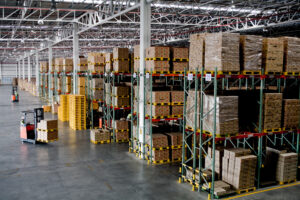
Key Logistics Challenges in Warehouse Relocations
1. Inventory Management and Accuracy
One of the biggest challenges during warehouse relocation is keeping accurate inventory records. Items may be misplaced, damaged, or miscounted during packing and transportation.
Tips to Overcome:
- Conduct a full inventory audit before the move
- Label items clearly and categorize by priority
- Use barcodes or digital tracking to monitor all items
Proper inventory management ensures you know exactly what is moving and prevents losses during transport.
2. Space Planning and Layout Issues
Every warehouse has a unique layout, and the new facility may differ significantly. Misjudging space requirements can lead to inefficient storage and operational bottlenecks.
Solutions:
- Analyze the new facility’s layout in advance
- Plan for aisles, loading zones, and shelving placement
- Consider future growth to avoid frequent adjustments
Accurate space planning reduces operational downtime and maximizes efficiency after relocation.
3. Equipment Handling and Safety
Warehouses house heavy machinery, pallet racks, and forklifts. Moving such equipment safely is challenging. Injuries or damaged equipment can increase costs and disrupt schedules.
Precautions:
- Use professional movers trained in industrial equipment handling
- Secure fragile and heavy items properly
- Follow safety protocols during loading and unloading
Businesses often benefit from services like Long Distance Moving Services in Wilton CT when handling large-scale equipment safely.
4. Timing and Downtime Management
Warehouse operations cannot pause for long periods. Every hour of downtime affects the supply chain and customer fulfillment. Coordinating schedules to minimize disruption is crucial.
Strategies:
- Create a detailed project timeline with milestones
- Relocate non-essential inventory first
- Plan operational overlap between old and new warehouses
This ensures your business continues functioning during the transition.
5. Transportation Challenges
Moving bulk inventory requires careful selection of transport vehicles, routing, and scheduling. Factors like traffic, road conditions, and permits can impact delivery.
Professional coordination with logistics experts reduces risks and ensures timely relocation. Planning transport for high-value goods or specialized equipment requires experience and precision.
6. Regulatory and Compliance Requirements
Warehouses may store hazardous materials or regulated goods. Relocation must comply with local laws, safety standards, and environmental guidelines.
Key Considerations:
- Obtain necessary permits for equipment and inventory movement
- Adhere to hazardous material handling regulations
- Ensure insurance coverage is in place during transit
Regulatory compliance prevents legal issues and unexpected fines.
7. Packing and Unpacking Complexities
Packing and unpacking a warehouse is far more intricate than household moves. Items vary in size, fragility, and storage requirements. Without proper methods, damage and misplacement are common.
For professional assistance, services like Packing and Unpacking Services in Westport CT or Packing and Unpacking Services in Norwalk CT ensure items are protected, organized, and ready for immediate use in the new facility.
8. Workforce Coordination
A warehouse move requires collaboration among internal staff, movers, and contractors. Miscommunication can result in delays and misplaced inventory.
Best Practices:
- Assign a project manager for relocation
- Keep all stakeholders informed of schedules and responsibilities
- Provide training on packing and handling if necessary
Clear communication is key to minimizing mistakes and downtime.
9. Technology and Systems Migration
Modern warehouses rely on digital management systems for inventory, order processing, and tracking. Relocating these systems without interruption is a major challenge.
Steps to Ensure Smooth IT Transition:
- Backup all data before the move
- Test system functionality at the new location
- Train staff on system changes or updates
A seamless technology transition avoids operational gaps and delays.
10. Cost Management
Warehouse relocation is expensive. Costs can quickly escalate due to unforeseen delays, equipment damage, or regulatory compliance issues.
Tips to Manage Costs:
- Get multiple estimates from experienced movers
- Factor in insurance, packing materials, and labor
- Keep a contingency budget of 10–15%
Engaging professionals for Residential Moving in Wilton CT or commercial moves can optimize both efficiency and cost-effectiveness.
Our Address: 13 Francis J Clarke Cir, Bethel, CT https://share.google/hz7AqSiKDBcMLhgeL
Also Find Us Here: 808 Post Road, Fairfield, CT https://share.google/I8rOyzQeXylFlTBYm
Contact Details: (203) 300-3530, (866) 296-4009
Conclusion
Warehouse relocations are complex but manageable with careful planning and professional support. From inventory accuracy and equipment handling to timing, compliance, and cost management, understanding the logistics challenges beforehand is crucial. Engaging experienced moving partners can save time, reduce stress, and prevent costly errors.
By addressing these challenges methodically, businesses can ensure that their warehouse relocation is seamless, efficient, and successful.