Get a Free Estimate Today!
Furniture Damage During Moves: Causes & Prevention Tips
Moving your furniture is more than just carrying pieces from one place to another—it’s a careful process that requires planning, proper handling, and the right protective measures. Furniture damage is one of the most common issues during relocations, but with a clear understanding of the causes and practical prevention tips, you can ensure a smooth, damage-free move.
This guide dives into the most frequent causes of furniture damage, steps to protect your belongings, and how professional moving services make all the difference.
Common Causes of Furniture Damage
Understanding why furniture gets damaged is the first step toward prevention. Here are the most typical reasons:
1. Poor Packing
One of the biggest contributors to furniture damage is inadequate packing. Without proper padding or protective materials, items can get scratched, chipped, or broken. Glass tables, mirrors, and delicate wood surfaces are especially vulnerable.
2. Improper Lifting Techniques
Dragging furniture across floors, lifting without the correct posture, or moving heavy items alone increases the risk of structural damage. Legs can snap, joints can loosen, and surfaces can get scuffed.
3. Overloading Moving Trucks
Placing heavy furniture on top of fragile pieces, or packing items too tightly, can lead to warping, dents, or broken corners. Furniture needs to be stacked strategically and secured in place.
4. Environmental Factors
Humidity, temperature changes, or rain during transit can affect wood, leather, and upholstery. Wooden furniture may warp, and upholstered items can develop mold if not protected properly.
5. Inadequate Equipment
Using the wrong tools or insufficient moving equipment—like small dollies, weak straps, or insufficient padding—can increase the chances of damage.
Top Prevention Tips to Protect Your Furniture
Here are actionable steps to reduce the risk of damage during moving:
Declutter Before the Move
Less furniture means less risk. Sell, donate, or recycle items you no longer need to make packing and transporting easier.
Measure Doors and Staircases
Before moving large items, measure all doorways, stairwells, and elevators to avoid forcing furniture through tight spaces, which can cause scratches or breaks.
Use Proper Packing Materials
- Bubble wrap for glass surfaces and delicate wood
- Moving blankets for couches, chairs, and tables
- Foam padding for corners and edges
Professional Packing and Unpacking Services in Westport CT use these materials to provide maximum protection during packing and transit.
Disassemble When Possible
Taking furniture apart, such as removing table legs, headboards, or drawers, reduces the risk of scratches and allows for safer transportation.
Protect Upholstery
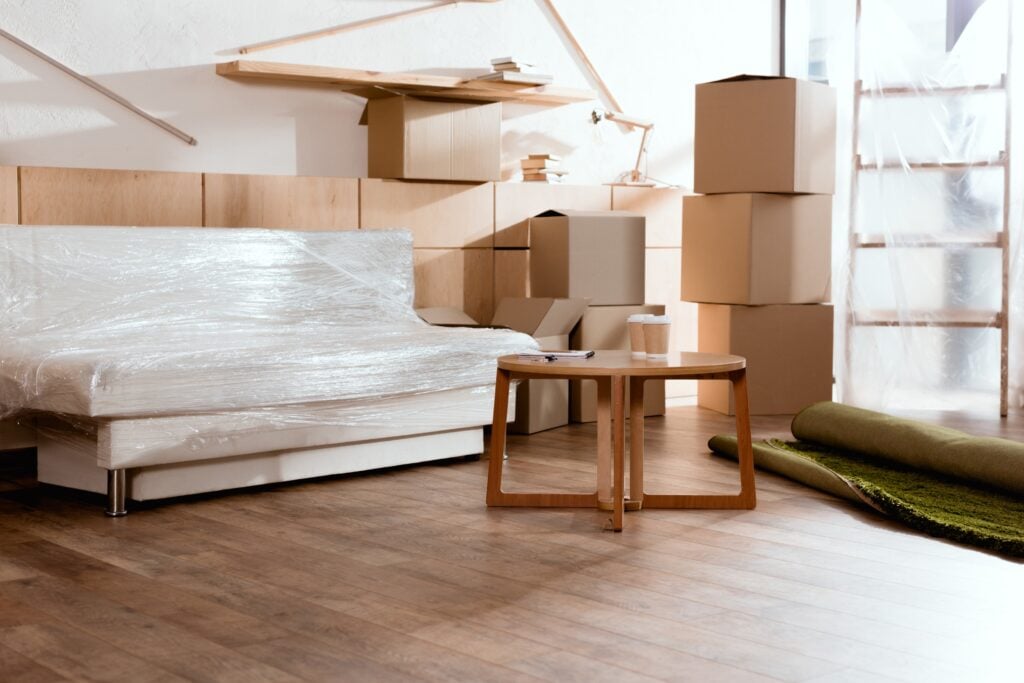
Cover fabric furniture with stretch wrap or specialized furniture covers to avoid dirt, dust, and moisture damage.
Load Strategically
Place heavier items on the bottom and lighter or fragile items on top. Secure everything with straps or tie-downs to prevent shifting during transport.
Handling Different Furniture Types
Certain types of furniture require special attention:
Wooden Furniture
- Sensitive to scratches, dents, and moisture
- Use corner protectors and padding
- Avoid stacking heavy items on top
Glass and Mirrors
- Extremely fragile
- Transport upright if possible
- Use thick padding, bubble wrap, and cardboard corner guards
Upholstered Items
- Protect against stains and moisture
- Wrap with blankets or plastic covers
- Avoid dragging on floors
Electronics and Furniture Combos
- Desks with built-in components need additional care
- Cushion items to prevent internal damage
How Professional Moving Services Help
Working with experienced movers minimizes furniture damage. Whether it’s a long-distance move or local relocation, trained professionals understand the nuances of moving heavy and delicate items.
- Long-Distance Moves: With Long Distance Moving Services in Wilton CT, furniture is packed, loaded, and transported with extra care for long journeys.
- Residential Moves: Skilled Residential Moving in Wilton CT teams ensure large furniture fits through narrow doorways and staircases safely.
- Packing & Unpacking: Services like Packing and Unpacking Services in Norwalk CT reduce stress by handling delicate items, heavy furniture, and fragile decor.
By delegating these tasks to experts, you reduce risk, save time, and enjoy peace of mind during your move.
Common Mistakes to Avoid
Even with professional help, it’s important to avoid these mistakes:
- Rushing the packing process
- Using substandard materials
- Ignoring disassembly for large or fragile pieces
- Not labeling boxes or items
- Failing to check weather conditions during transport
Preventing furniture damage is not just about skill—it’s also about planning, awareness, and preparation.
Every move is approached individually, ensuring furniture arrives in the same condition it left. Their attention to detail and professionalism make them a trusted choice for families and businesses alike.
Our Address: 13 Francis J Clarke Cir, Bethel, CT https://share.google/hz7AqSiKDBcMLhgeL
Also Find Us Here: 808 Post Road, Fairfield, CT https://share.google/I8rOyzQeXylFlTBYm
DIY Furniture Protection Tips
If you choose to move yourself, follow these practical tips:
- Use sturdy moving blankets and bubble wrap
- Label fragile items clearly
- Keep screws and small hardware in labeled bags
- Move heavy furniture with assistance
- Protect floors and walls while sliding or lifting items
Even small precautions can make a huge difference in preventing scratches, dents, and other damages.
Final Thoughts
Furniture damage during moves is common but largely preventable. Understanding the causes, following proven prevention techniques, and choosing experienced movers like Real Moving & Storage ensures your furniture arrives safely, intact, and ready for your new home.
Careful planning, professional help, and proper packing make moving a smoother, stress-free experience. Protecting your furniture is protecting your investment—and your peace of mind.