Get a Free Estimate Today!
How Warehouse Storage Works: What To Expect From Short- And Long-Term Options
A Practical Case Study for Homeowners and Businesses
Warehouse storage plays an important role in modern relocation and logistics. Many homeowners and businesses today rely on professional storage solutions when they cannot immediately move all their belongings into a new property. Whether the reason is renovation, delayed possession of a new home, office relocation planning, or long-distance moving schedules, warehouse storage provides a safe and organized way to keep items protected until they are needed.
However, many people are unsure about how warehouse storage actually works. Questions like how items are packed, where they are stored, how long they can stay in storage, and how they are delivered later are very common.
To explain the entire process clearly, this blog presents a real-world case study showing how warehouse storage works from start to finish. It will also explain the difference between short-term and long-term storage, what customers should expect, and how professional movers ensure belongings remain safe during the storage period.
Case Study: A Relocation That Required Warehouse Storage
Background of the Situation
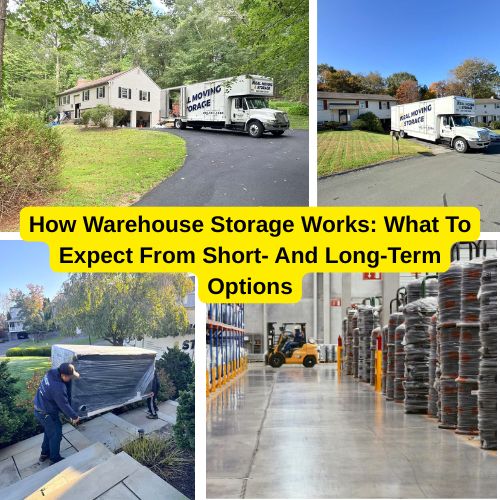
A family living in Connecticut was preparing for relocation due to a job transfer. Their new home was located in South Carolina, but the property renovation work was still ongoing. Because the renovation would take several weeks, the family could not move directly into the house.
They were planning Long distance moving from Connecticut to south Carolina, and needed a safe place to store their furniture, appliances, and personal belongings temporarily.
Instead of rushing the relocation or storing items in multiple places, they decided to use professional warehouse storage through a trusted moving company. This allowed them to move their belongings out of their current home while ensuring everything stayed protected until their new home was ready.
Step 1: Storage Planning and Needs Assessment
Understanding the Customer’s Requirements
Before placing any belongings into storage, professional movers conduct an assessment to understand the customer’s specific needs.
During this step, movers evaluate:
- The number of items that need storage
- The size of furniture and appliances
- Whether fragile or valuable items require special packing
- Whether short-term or long-term storage will be required
This planning stage ensures that enough warehouse space is reserved and the items are prepared properly before entering storage.
Customers often choose professional packing services during this stage to avoid damage and save time. For example, some homeowners use Packing and Unpacking Services in Norwalk CT so that delicate household items are securely wrapped and organized before they go into storage.
Step 2: Professional Packing and Item Documentation
Creating an Organized Inventory
After the storage plan is finalized, movers begin packing and documenting every item.
Professional moving companies create a detailed inventory list that includes:
- Furniture pieces
- Boxes and labeled contents
- Fragile or high-value items
- Appliances and electronics
Each item receives a label or barcode so it can be tracked throughout the storage process.
This documentation ensures that nothing gets lost and makes it easy to locate specific items when they are retrieved later.
Inventory management is especially important for long-term storage because belongings may remain in the warehouse for several months.
Step 3: Transportation to the Storage Warehouse
Safe Loading and Transport
Once packing and labeling are complete, the belongings are loaded onto moving trucks and transported to the warehouse facility.
Professional movers follow strict loading procedures to protect items during transportation. Furniture is wrapped in protective blankets, fragile boxes are stacked carefully, and heavy items are secured to prevent movement during transit.
After arriving at the warehouse, trained staff unload the items and move them into the designated storage area.
Step 4: How Items Are Stored Inside a Warehouse
Organized Storage Systems
Many people imagine warehouse storage as simply placing belongings inside a large room. In reality, professional storage facilities use structured systems to keep items safe and organized.
Items are typically stored using:
- Wooden storage vaults
- Palletized storage units
- Secure containers
- Industrial shelving systems
Each customer’s belongings are grouped together and clearly labeled to prevent mixing with other shipments.
Modern warehouses also include safety features such as:
- Security monitoring systems
- Controlled facility access
- Fire safety protection
- Climate-controlled environments
These features help protect furniture, electronics, and other belongings from damage.
Step 5: Short-Term vs Long-Term Storage Options
Short-Term Warehouse Storage
Short-term storage is typically used when belongings need to be stored for a short period, such as a few days or weeks.
This option is common when:
- A home closing date is delayed
- Renovations are in progress
- Moving schedules do not align
- Temporary relocation is required
Short-term storage provides flexibility and allows customers to retrieve items quickly once their new property becomes available.
Long-Term Warehouse Storage
Long-term storage is used when items must remain stored for several months or longer.
This type of storage is commonly chosen by:
- Families relocating across states
- Businesses storing equipment or documents
- People traveling for extended periods
- Property owners storing seasonal furniture or appliances
Long-term storage facilities often provide climate-controlled environments to protect sensitive items from humidity or temperature changes.
Step 6: Retrieving and Delivering Items From Storage
Final Delivery Process
Once the family’s new home renovation was complete, they contacted their moving company to schedule delivery from the warehouse.
Because all items had been properly inventoried earlier, the movers quickly located their storage vault and prepared the shipment.
The belongings were loaded onto the moving truck and transported to the new home in South Carolina.
When the items arrived, everything was unpacked and placed according to the customer’s instructions. Since the packing and storage process had been done professionally, the family received their belongings in excellent condition.
Common Questions About Warehouse Storage
Is Warehouse Storage Safe?
Yes. Professional storage facilities use security systems, restricted access, and monitoring to ensure stored belongings remain protected.
Can I Access My Items During Storage?
Most moving companies allow scheduled access to stored belongings, although policies vary depending on the facility.
How Long Can Items Stay in Storage?
Warehouse storage can be used for a few days, several months, or even years depending on customer requirements.
Do I Need Special Packing for Storage?
Yes. Proper packing is essential for protecting items from dust, moisture, and movement during storage.
Why Many Customers Trust Real Moving & Storage?
Relocation and storage require careful planning, organization, and professional handling. This is why many families and businesses rely on Real Moving & Storage for dependable moving and warehouse storage solutions.
The company focuses on providing secure storage facilities, professional packing services, and well-organized transportation systems. Their experienced team carefully manages every stage of the relocation process—from packing and transportation to storage and final delivery.
What makes Real Moving & Storage stand out is their attention to detail and commitment to customer satisfaction. Each move and storage request is handled with personalized planning so customers can feel confident that their belongings are protected.
Visit or Contact Real Moving & Storage
Our Address 13 Francis J Clarke Cir, Bethel, CT https://share.google/hz7AqSiKDBcMLhgeL
Also Find Us Here 808 Post Road, Fairfield, CT https://share.google/I8rOyzQeXylFlTBYm
Contact Details (203) 300-3530 (866) 296-4009
Conclusion
Warehouse storage is an extremely useful solution for homeowners and businesses facing relocation delays, renovations, or long-distance moves. Understanding how the storage process works—from packing and inventory documentation to warehouse organization and final delivery—helps customers make better decisions about their relocation plans.
Short-term storage offers flexibility for temporary situations, while long-term storage provides secure protection for belongings that need to remain stored for extended periods.
With proper planning and the support of professional movers, warehouse storage can make complex relocation situations much easier to manage.