Get a Free Estimate Today!
Why Commercial Relocation Requires Project Management Expertise
Commercial relocation project management plays a major role in every successful business move. Office relocation is not only about shifting furniture from one place to another. It involves planning, coordination, communication, timelines, employee management, and business continuity.
Many companies underestimate the complexity of a commercial move. As a result, they face delays, lost equipment, workflow disruption, and unexpected expenses. Therefore, businesses now depend on organized commercial relocation project management to reduce risks and improve efficiency.
A structured relocation strategy helps companies move faster while protecting productivity. In addition, professional project managers ensure every department stays aligned during the relocation process.
Commercial Moves Are More Complex Than Residential Relocations
Residential moves usually involve personal belongings and flexible schedules. However, office relocation includes employees, technology systems, confidential documents, workstations, and operational deadlines.
Because of this complexity, commercial relocation project management becomes essential for smooth execution.
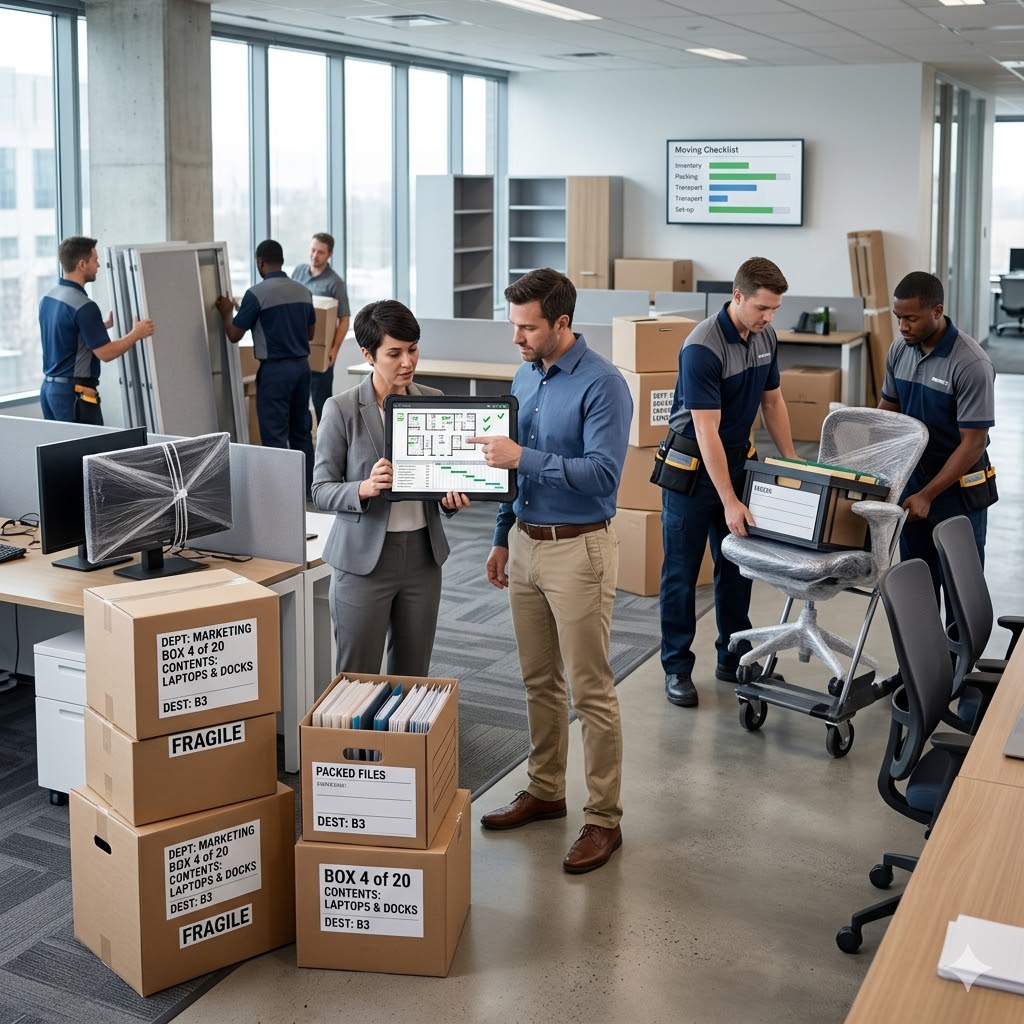
Business owners cannot afford extended downtime. Every hour of operational disruption may affect revenue, customer service, and internal communication. Therefore, commercial moves require careful supervision from start to finish.
Why Planning Matters in Commercial Relocation Project Management?
Planning is the foundation of successful commercial relocation project management. Without a detailed plan, confusion can spread quickly during moving day.
Professional relocation teams usually create step-by-step timelines. These plans cover:
- Department coordination
- Inventory management
- IT equipment relocation
- Furniture dismantling
- Employee communication
- Vendor scheduling
- Post-move setup
As a result, businesses avoid unnecessary interruptions.
Companies using Commercial Moving Services in Westport CT often prefer project-based relocation strategies because they improve organization and reduce operational stress.
Reducing Business Downtime During Relocation
Downtime is one of the biggest concerns during office relocation. Even small delays can affect meetings, customer support, sales, and employee performance.
This is why experienced commercial relocation project management focuses heavily on scheduling.
Professional project managers create moving phases to keep operations running. Some businesses relocate departments one at a time. Others move during weekends or after office hours.
Therefore, strategic scheduling helps companies continue serving clients during relocation.
Technology and Equipment Require Specialized Handling
Modern offices depend on technology every day. Computers, servers, networking systems, printers, and communication devices require careful transportation.
Without proper handling, businesses may face data loss or equipment damage. Therefore, commercial relocation project management includes IT coordination and equipment protection.
Professional movers label cables, organize devices, and manage workstation setups carefully. This process reduces confusion after relocation.
In some cases, businesses also combine relocation with storage or packing support. Companies offering Packing and Unpacking Services in Norwalk CT help businesses improve organization during large office transitions.
Employee Coordination Improves Moving Efficiency
Employees play an important role during office relocation. However, poor communication often creates frustration and delays.
Strong commercial relocation project management keeps staff informed throughout the process.
Project managers usually provide:
- Moving schedules
- Desk labeling instructions
- Packing guidelines
- Department responsibilities
- Updated office access details
As a result, employees adjust faster to the new environment.
Risk Management Protects Business Operations
Every commercial move involves risk. Equipment damage, timeline delays, missing inventory, and building access problems can affect the relocation process.
Therefore, risk planning is a major part of commercial relocation project management.
Experienced project managers prepare backup solutions before problems happen. They coordinate elevator access, parking permissions, insurance coverage, and loading schedules in advance.
This preparation helps businesses avoid costly surprises.
Budget Control Becomes Easier With Project Management
Unexpected costs are common during commercial relocation. Poor planning often increases labor expenses, storage fees, and transportation costs.
However, organized commercial relocation project management helps businesses maintain financial control.
Project managers track expenses carefully. They also monitor timelines and resource allocation throughout the move.
Therefore, companies gain better visibility over relocation costs.
Post-Move Setup Is Equally Important
Many people focus only on transportation. However, the post-move setup phase is equally important.
Professional commercial relocation project management continues after delivery. Teams help arrange workstations, reconnect systems, organize departments, and restore workflow quickly.
This process improves employee productivity after relocation.
Businesses return to normal operations faster when setup planning starts early.
Compliance and Building Rules Cannot Be Ignored
Commercial buildings usually have strict relocation rules. Some properties allow moving only during specific hours. Others require insurance certificates or elevator reservations.
Therefore, commercial relocation project management also involves building coordination.
Professional relocation managers communicate with property management teams before moving day. This reduces delays and access issues.
Long-Distance Commercial Relocation Needs Extra Coordination
Long-distance office moves require even more planning. Transportation routes, inventory tracking, and delivery coordination become more challenging.
Businesses planning Long distance moving from Connecticut to south Carolina often require advanced scheduling and multi-stage logistics support.
In such situations, experienced project managers help maintain organization across every relocation stage.
Why Businesses Choose Experienced Commercial Movers?
Professional movers understand commercial relocation challenges better than general moving teams. They know how to handle office furniture, IT systems, confidential files, and time-sensitive schedules.
Experienced commercial relocation project management also improves accountability. Businesses receive clear communication, organized workflows, and structured moving plans.
As a result, relocation becomes less stressful for management and employees.
How Real Moving & Storage Supports Commercial Relocations?
Real Moving & Storage helps businesses handle office relocation with organized planning and operational support. The company focuses on reducing downtime while improving relocation efficiency.
Their team coordinates scheduling, transportation, packing, and office setup with attention to detail. In addition, they work closely with businesses to create relocation plans based on operational needs.
Instead of using a one-size-fits-all process, the company adapts relocation strategies according to office size, inventory, and workflow priorities.
Office Address: 13 Francis J Clarke Cir, Bethel, CT
Also Find Us Here: 808 Post Road, Fairfield, CT
Contact Details: (203) 300-3530 , (866) 296-4009
Many companies searching for a reliable Long Distance Moving Company in Fairfield CT also look for movers that provide structured communication and project-focused relocation support.
Final Thoughts
Commercial relocation involves much more than transportation. Businesses must manage employees, technology, schedules, budgets, and workflow continuity during the process.
Therefore, professional commercial relocation project management becomes essential for reducing risk and improving efficiency.
Companies that invest in organized project management usually experience smoother transitions, faster setup, and lower operational disruption.
A well-planned office relocation protects productivity and supports long-term business stability.