Get a Free Estimate Today!
Factory Relocation Challenges & Operational Risks
A large-scale factory relocation project can improve production capacity, reduce costs, and support business growth. However, the process also creates serious operational risks. Even a small planning mistake during a factory relocation can stop production, damage machinery, delay supply chains, and increase costs.
This case study explains the real challenges businesses face during a factory relocation. It also covers practical solutions that help manufacturers reduce downtime and protect operations during the move.
Many industrial companies also work with experienced logistics providers for transport support. In some cases, businesses handling Commercial Moving Services in Westport CT use phased relocation methods to avoid production interruptions.
Why Factory Relocation Requires Detailed Planning?
A normal office move is simple compared to a factory relocation. Factories contain heavy machines, production lines, electrical systems, hazardous materials, and sensitive equipment. Every department depends on another department. Therefore, one delay can affect the entire operation.
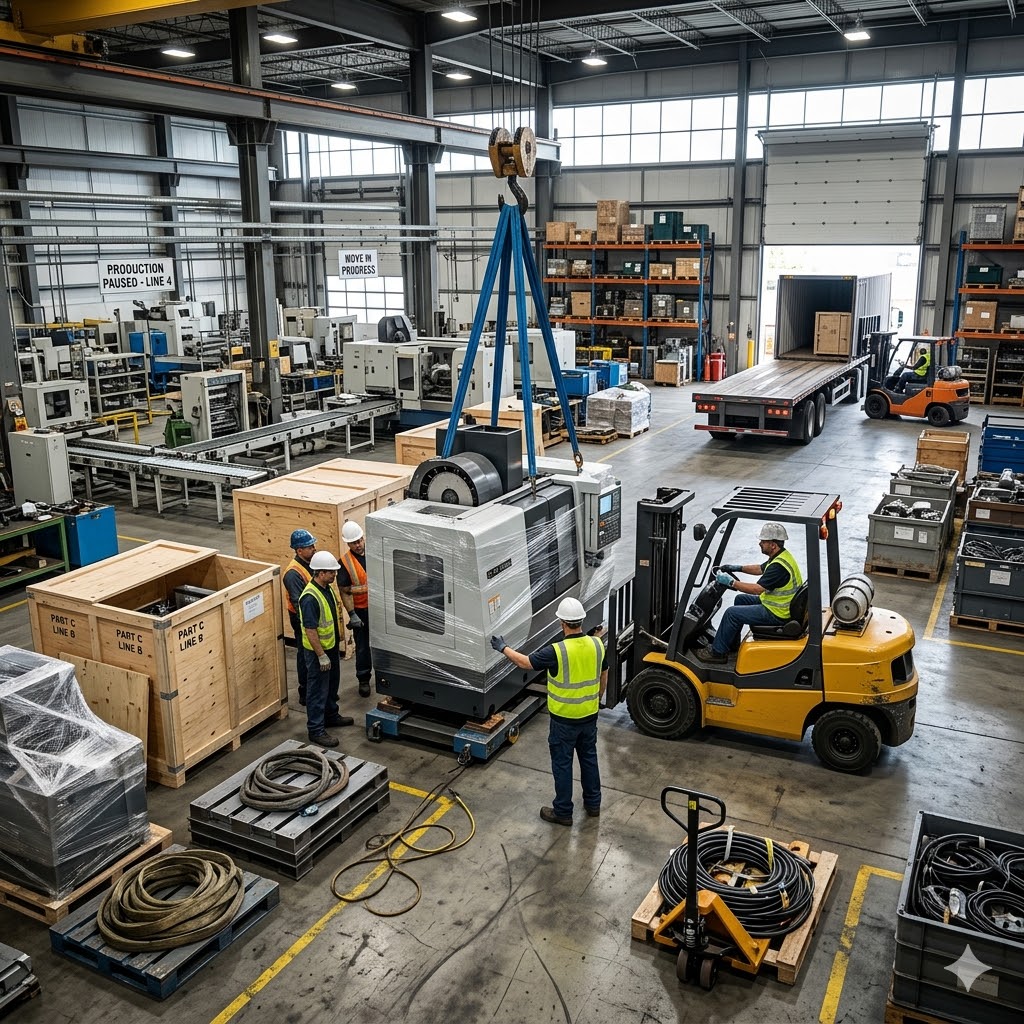
Most companies relocate factories for these reasons:
- Expansion of production space
- Lower operational costs
- Better logistics access
- Closer supplier connections
- Improved labor availability
- Modern infrastructure upgrades
However, without a clear strategy, a factory relocation can quickly become expensive and risky.
Case Study: Manufacturing Plant Relocation Project
A mid-sized manufacturing company decided to shift its production facility to a larger industrial zone. The company wanted better warehouse access and modern machinery placement. The management expected the relocation to finish within three months.
At first, the project looked simple. Yet several unexpected challenges appeared during the process.
Initial Problems Faced During Factory Relocation
- Equipment labeling was incomplete
- Machine dismantling took longer than expected
- Transport permits faced delays
- Production downtime increased
- Employee coordination became difficult
- Power installation at the new facility was delayed
As a result, the company lost valuable production time during the factory relocation.
Operational Risks During Factory Relocation
Every industrial move carries operational risks. Therefore, businesses must identify these problems early.
1. Production Downtime
Production shutdown is one of the biggest risks in a factory relocation. Every hour of downtime reduces revenue. Moreover, delayed orders can damage client relationships.
The case study company reduced this risk by relocating departments in stages. Critical machines stayed operational while secondary equipment moved first.
2. Equipment Damage Risk
Heavy industrial equipment needs careful dismantling and transport. Improper handling can damage machine alignment, wiring, or internal systems.
The company hired specialized rigging experts after experiencing minor equipment damage during the first transport phase. This decision improved safety during the remaining factory relocation process.
3. Supply Chain Disruption
Suppliers and distributors depend on stable production schedules. During a factory relocation, delayed shipments can interrupt inventory flow.
To solve this issue, the company informed vendors months before relocation. It also increased inventory stock before the move started.
4. Employee Safety Concerns
Industrial relocation sites involve cranes, forklifts, electrical systems, and heavy machinery. Therefore, worker safety becomes a major concern.
The company created separate safety zones inside the facility. It also conducted daily inspections throughout the factory relocation.
5. Utility Installation Delays
Factories depend on electrical systems, compressed air, water lines, and ventilation units. Delays in utility setup can stop production completely.
The management learned that utility planning should begin months before the physical factory relocation starts.
Financial Challenges During Factory Relocation
Many businesses underestimate the real cost of relocation. The expenses usually extend beyond transport costs.
Additional expenses may include:
- Machine reinstallation
- Equipment calibration
- Permit approvals
- Insurance costs
- Temporary storage
- Overtime labor payments
- Emergency repairs
The case study company created a backup emergency budget after realizing that unexpected relocation expenses were unavoidable.
Importance of Risk Assessment Before Factory Relocation
A proper risk assessment helps companies avoid major operational failures. Before starting any factory relocation, businesses should inspect every process carefully.
An effective risk assessment includes:
- Machine condition evaluation
- Transportation route analysis
- Safety inspection planning
- Production downtime estimation
- Vendor communication plans
- Utility readiness checks
This planning stage often decides whether the relocation succeeds or fails.
How Communication Reduced Relocation Problems?
Clear communication helped the case study company reduce confusion during the factory relocation.
Management conducted:
- Weekly planning meetings
- Department coordination sessions
- Vendor update calls
- Safety briefing programs
- Employee relocation training
Because of this approach, the final relocation phase became smoother and faster.
Role of Professional Logistics Support
Many industrial companies use experienced moving specialists for large-scale relocation projects. Professional logistics teams understand equipment handling, route planning, and secure transportation methods.
For example, businesses handling Long Distance Moving Company in Fairfield CT projects often focus heavily on inventory tracking and secure loading systems for valuable equipment.
Best Practices for a Successful Factory Relocation
Companies can reduce operational risks by following proven relocation strategies.
Create a Detailed Timeline
Every relocation task should follow a structured schedule. Small delays can affect the entire project.
Label Every Machine Properly
Accurate labeling speeds up reinstallation and reduces confusion during the factory relocation.
Test Equipment After Installation
Machine testing helps identify technical issues before restarting production.
Maintain Backup Inventory
Extra inventory protects businesses from supply chain interruptions.
Use Safety Compliance Procedures
Safety inspections protect workers and reduce accident risks throughout the factory relocation.
Lessons Learned From the Case Study
The manufacturing company successfully completed its relocation after several operational adjustments. However, the management admitted that early planning would have reduced costs and downtime significantly.
The project proved that a successful factory relocation depends on preparation, communication, risk management, and professional coordination.
Businesses that ignore operational risks often face production delays, equipment damage, and financial losses. On the other hand, companies that prepare carefully can complete relocation projects with minimal disruption.
Conclusion
A factory relocation is a major operational decision. The process involves machinery movement, employee coordination, safety management, and supply chain planning. Therefore, businesses should never treat relocation as a simple transport project.
Strong planning reduces downtime. Risk assessments improve safety. Clear communication prevents delays. Most importantly, experienced relocation support helps businesses protect operations during every phase of the move.
Companies that approach factory relocation strategically can improve efficiency, expand production capacity, and build a stronger operational foundation for future growth.