Get a Free Estimate Today!
Packing Rare Book Collections Without Damage
Packing Rare Book Collections Without Damage: A Complete Preservation Guide
For many collectors, a rare book collection represents far more than paper and ink. Every volume tells a story, reflects history, and often carries significant financial and sentimental value. Whether you own first editions, antique family Bibles, signed copies, or limited-print publications, protecting them during a move requires careful planning and the right packing techniques.
Packing Rare Book Collections is different from packing ordinary household books. Improper handling can lead to torn bindings, warped covers, foxing, moisture damage, bent pages, or permanent structural issues. Even a short move can expose valuable books to temperature changes, humidity, pressure, and accidental impacts if they are packed incorrectly.
This comprehensive guide explains how to safely prepare, pack, transport, and unpack rare books while preserving their condition. Whether you’re relocating across town or planning a long-distance move, these expert recommendations will help protect your collection from unnecessary damage.
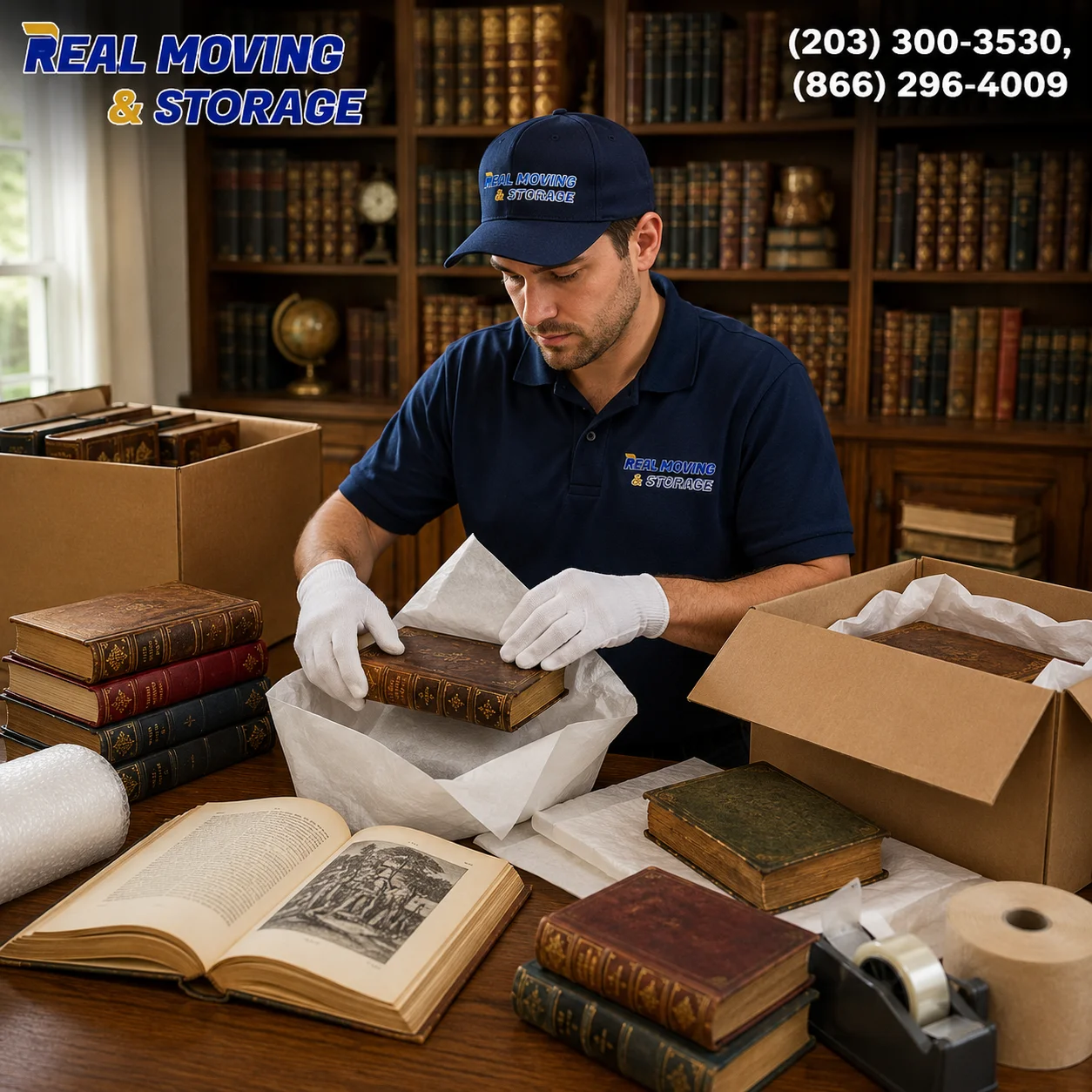
Why Rare Book Collections Need Special Care?
Rare books are considerably more delicate than modern publications. Many older books were produced using handmade paper, leather bindings, cloth covers, natural adhesives, and decorative materials that naturally weaken over time. Even careful handling can become risky if proper packing techniques are ignored.
Unlike standard books that can easily be replaced, collectible editions often have limited availability. Some may be out of print, historically significant, or impossible to replace at any price. Their market value also depends heavily on their physical condition, making preservation essential during every stage of a move.
Several factors can damage rare books during relocation, including:
- Excess moisture and humidity
- Rapid temperature changes
- Improper stacking pressure
- Dust contamination
- Direct sunlight exposure
- Poor-quality packing materials
- Movement inside packing boxes
- Improper lifting and handling
Understanding these risks is the first step toward protecting your investment.
Evaluate Your Collection Before Packing
Before placing a single book into a moving box, spend time evaluating your collection. This preparation helps you organize valuable editions, document their condition, and identify books requiring extra protection.
Create a Detailed Inventory
Prepare a digital or printed inventory containing:
- Book title
- Author
- Edition information
- Publication year
- Current condition
- Estimated value (if known)
- Photographs of rare or collectible editions
This inventory becomes extremely helpful for organization, insurance documentation, and verifying that every book arrives safely.
Inspect Each Book Carefully
Check every book for:
- Loose bindings
- Torn pages
- Fragile dust jackets
- Leather deterioration
- Signs of mold
- Water stains
- Insect damage
Books with existing structural issues should receive additional protective wrapping before packing.
Separate Extremely Valuable Items
Rare first editions, signed copies, family heirlooms, and museum-quality collectibles deserve individual attention. Consider packing these books separately rather than combining them with the rest of the collection.
Gather the Right Packing Supplies
The quality of your packing materials plays a major role in preventing damage. Acidic or low-quality materials may cause discoloration or deterioration over time, especially if books remain packed for several weeks.
Recommended supplies include:
- Small double-wall moving boxes
- Acid-free tissue paper
- Archival-quality packing paper
- Polyethylene protective sleeves (when appropriate)
- Bubble wrap for outer cushioning only
- Corner protectors for valuable editions
- Packing tape
- Permanent markers for labeling
- Humidity absorbers when necessary
Avoid using old newspapers because newspaper ink can transfer onto book covers and page edges. Likewise, avoid low-quality cardboard that may collapse under the weight of heavy books.
Using durable moving boxes and quality packing materials significantly reduces the risk of damage during transportation. If you’re unsure which materials work best for different household belongings, our guide on Best Packing Materials for Every Household Item offers additional recommendations for choosing the right supplies for every item in your move.
How to Prepare Rare Books Before Packing?
Preparation is one of the most overlooked steps when Packing Rare Book Collections. Spending extra time before placing books into moving boxes can significantly reduce the chances of damage during transportation.
Clean Books Gently
Dust and debris can scratch covers and pages when books rub against each other inside a box. Use a soft microfiber cloth or a clean, dry brush to remove loose dust from covers, page edges, and bindings.
Avoid using household cleaning sprays, furniture polish, or water-based cleaners. Moisture can permanently damage paper, leather, and cloth bindings.
Remove Loose Items
Many collectors use bookmarks, newspaper clippings, handwritten notes, pressed flowers, or photographs inside books. Remove these items before packing because they may shift, stain pages, or create permanent impressions during transportation.
Store these keepsakes separately in labeled archival envelopes if they have historical or sentimental value.
Protect Dust Jackets
Original dust jackets often contribute significantly to a book’s collectible value. Wrap them carefully using acid-free paper or archival-quality protective covers before placing the books into moving boxes.
Never secure protective wrapping directly with tape on the book or its dust jacket.
Best Methods for Packing Rare Book Collections
The way books are arranged inside a moving box matters just as much as the packing materials themselves. Proper positioning helps prevent pressure damage, bent covers, loose bindings, and warped pages.
Use Small Boxes Instead of Large Ones
Books become surprisingly heavy when packed together. Large cartons often exceed safe lifting limits and increase the risk of crushed boxes.
Small, sturdy moving boxes provide better support while making transportation much safer.
- Maximum weight should remain manageable.
- Boxes should stay rigid without bowing.
- Heavy books should never overload the bottom.
Pack Books Upright Whenever Possible
For most hardcover books, standing them upright just as they sit on a bookshelf is the safest option.
- Keep books standing vertically.
- Place similar-sized books together.
- Avoid leaving empty spaces.
- Fill small gaps with acid-free packing paper.
This method minimizes stress on the spine while reducing movement during transit.
Lay Oversized Books Flat
Large coffee-table books, atlases, art books, and oversized antique volumes should never stand upright because their own weight places excessive stress on the binding.
Instead:
- Lay them flat.
- Stack only a few together.
- Place the largest book at the bottom.
- Avoid creating tall stacks.
Avoid Packing Books Spine Up
One of the most common mistakes during Packing Rare Book Collections is placing books inside boxes with the spine facing upward.
This position places unnecessary strain on the text block and can weaken or separate the binding over time.
Whenever possible, books should remain either upright or flat.
Wrap Extremely Valuable Books Individually
First editions, signed copies, antique books, and family heirlooms deserve individual protection.
Wrap each valuable book separately using:
- Acid-free tissue paper
- Archival wrapping paper
- Soft polyethylene sleeves when appropriate
Avoid wrapping books tightly because excessive pressure can damage delicate bindings.
Prevent Movement Inside Every Box
Books should fit securely inside each carton without shifting during transportation. Empty spaces allow books to slide into one another, increasing the risk of corner damage and torn bindings.
Use acid-free packing paper to fill remaining gaps rather than newspaper or loose plastic materials.
Boxes should feel snug without compressing the books.
Label Every Box Carefully
Clear labeling helps movers understand which boxes require extra attention.
Include labels such as:
- Rare Books
- Fragile
- Keep Upright
- Do Not Stack Heavy Items
- Climate Sensitive
Proper labeling reduces the chances of boxes being mishandled during loading and unloading.
Should You Transport Rare Books Yourself?
For exceptionally valuable collections, transporting the books in your personal vehicle may be the safest option. This provides greater control over temperature, humidity, and handling throughout the journey.
If professional movers will transport your collection, discuss any special handling requirements before moving day. Experienced packing professionals understand how to secure delicate belongings for both local and long-distance relocations. If you prefer expert assistance, our Professional Packing and Unpacking Services can help ensure specialty items receive careful attention from start to finish.
Protecting Rare Books from Temperature and Humidity
Environmental conditions are often a greater threat to rare books than physical movement. Paper naturally absorbs moisture from the air, while leather and cloth bindings expand and contract as temperatures fluctuate.
Whenever possible, keep your collection in a climate-controlled environment before, during, and after the move.
Ideal conditions include:
- Stable room temperature
- Low humidity levels
- No direct sunlight
- Good air circulation
If your move involves temporary storage, climate-controlled facilities offer better protection against moisture, mold, and temperature extremes. Learn more about the advantages of climate-controlled storage when preserving valuable belongings during a move.
How to Transport Rare Book Collections Safely?
Even perfectly packed books can suffer damage if they are handled carelessly during loading, transportation, or unloading. Maintaining stability throughout the move is essential for preserving both the appearance and structural integrity of your collection.
Keep Boxes Upright
Always transport book boxes in their intended upright position. Turning boxes on their sides or upside down can place unnecessary stress on bindings and allow books to shift inside.
If possible, stack book cartons only two or three high and avoid placing heavy furniture or appliances on top of them.
Avoid Extreme Temperatures
Rare books should never remain inside a moving truck for extended periods during extremely hot or freezing weather. Excessive heat can soften adhesives and warp covers, while freezing temperatures may make older bindings brittle.
If your relocation requires overnight stops, move your most valuable books into a temperature-controlled environment whenever possible.
Reduce Vibration During Long-Distance Moves
Long-distance transportation naturally exposes books to continuous vibration. Although this cannot be eliminated entirely, proper packing significantly reduces friction between books.
Secure boxes firmly inside the moving truck so they cannot slide during braking or sharp turns.
Common Mistakes to Avoid When Packing Rare Book Collections
Many book collections are damaged because of small packing mistakes that could have been prevented with better planning. Avoiding these common errors helps preserve your books for many years to come.
Using Oversized Boxes
Large boxes encourage overpacking. Since books are dense and heavy, overloaded cartons can collapse, making them difficult to carry safely.
Using Newspaper as Wrapping Material
Newspaper ink can transfer onto page edges, dust jackets, and book covers. Always choose acid-free archival paper instead.
Wrapping Books Too Tightly
Excessive pressure may damage fragile bindings and deform book covers. Protective wrapping should remain secure without compressing the book.
Ignoring Existing Damage
Books with loose pages, cracked hinges, or weakened leather should receive additional protection before packing. Minor issues can become major problems during transportation if ignored.
Leaving Empty Space Inside Boxes
Books that slide inside cartons are more likely to suffer corner damage, torn covers, and spine stress. Fill empty spaces using acid-free packing paper.
Mixing Heavy and Lightweight Books Incorrectly
Large reference books should never rest on top of smaller collectible editions. Organize books by size and weight to distribute pressure evenly.
Should Rare Books Be Stored During a Move?
Sometimes your new home may not be ready immediately, making temporary storage necessary. In these situations, protecting rare books from environmental damage becomes even more important.
Choose a clean, secure, climate-controlled storage facility whenever possible. Stable temperature and humidity levels help prevent:
- Mold growth
- Paper warping
- Leather cracking
- Foxing caused by excess moisture
- Adhesive deterioration
Store boxes on shelving or pallets rather than directly on concrete floors, which can transfer moisture over time.
When Professional Packing Makes Sense?
While many homeowners successfully pack ordinary household books, valuable collections often require additional expertise. Professional packing services are especially beneficial if your collection includes antique books, signed editions, rare manuscripts, or historically significant volumes.
Experienced movers understand how to select appropriate packing materials, minimize handling risks, and secure specialty items for transportation. This added level of care can provide peace of mind during complex relocations.
Why Homeowners Trust Real Moving & Storage for Specialty Packing?
When valuable belongings require extra attention, choosing an experienced moving company can make all the difference. At Real Moving & Storage, we’ve proudly served homeowners and businesses throughout Connecticut since 2006. As a family-owned company founded by Lucas Pinto, who brings more than 25 years of moving industry experience, we understand that specialty items deserve personalized care—not one-size-fits-all handling.
Whether you’re moving locally or planning a long-distance relocation, our team offers professional packing, moving, and storage solutions designed to help protect delicate belongings throughout every stage of your move. From rare book collections to fragile antiques and collectibles, we focus on careful handling, reliable service, and clear communication from start to finish.
If you’d like to discuss your upcoming move or specialty packing needs, feel free to contact our team.
- Phone: (203) 300-3530
- Toll-Free: (866) 296-4009
- Bethel Office: 13 Francis J Clarke Cir, Bethel, CT
- Fairfield Office: 808 Post Road, Fairfield, CT
Frequently Asked Questions
Should rare books be wrapped individually?
Yes. High-value books, signed editions, antique books, and fragile collectibles should be wrapped individually using acid-free archival materials before being placed inside sturdy moving boxes.
Can bubble wrap touch rare books directly?
It is generally better to avoid direct contact. Wrap books first with acid-free paper, then use bubble wrap as an outer protective layer if additional cushioning is necessary.
Is climate-controlled storage necessary for rare books?
Climate-controlled storage is highly recommended, particularly for long-term storage or when relocating during seasons with high humidity or extreme temperatures.
How heavy should a box of books be?
Keep boxes small enough to lift comfortably. Overloaded cartons are more likely to break and increase the risk of accidental drops.
Should valuable books travel separately?
Many collectors prefer transporting their most valuable books personally to maintain complete control over handling and environmental conditions throughout the journey.
Final Thoughts
Packing Rare Book Collections requires patience, preparation, and attention to detail. Every decision—from selecting archival-quality packing materials to controlling temperature and humidity—helps preserve books that may have taken years or even generations to collect.
By using sturdy boxes, protecting fragile bindings, minimizing movement during transportation, and avoiding common packing mistakes, you can greatly reduce the risk of damage during your move. Whether your collection contains cherished family heirlooms or investment-grade first editions, careful planning ensures your books arrive at their new home in excellent condition.
For collections that deserve an extra level of protection, working with experienced packing professionals can provide added confidence and help safeguard your valuable books throughout the relocation process.