Get a Free Estimate Today!
Moving a Home Gym Safely
Moving a Home Gym takes more planning than relocating ordinary household furniture. Fitness equipment is often heavy, expensive, and designed with mechanical or electronic components that can be damaged if handled incorrectly. Whether you’re relocating across town or moving to a different city, preparing your equipment properly can help prevent injuries, avoid property damage, and keep your machines working as expected after the move.
From treadmills and exercise bikes to adjustable benches and free weights, every piece of equipment requires a slightly different approach. This guide explains how to prepare, pack, transport, and reassemble your home gym while reducing unnecessary risks and making the entire moving process more organized.
Why Moving a Home Gym Requires Extra Care?
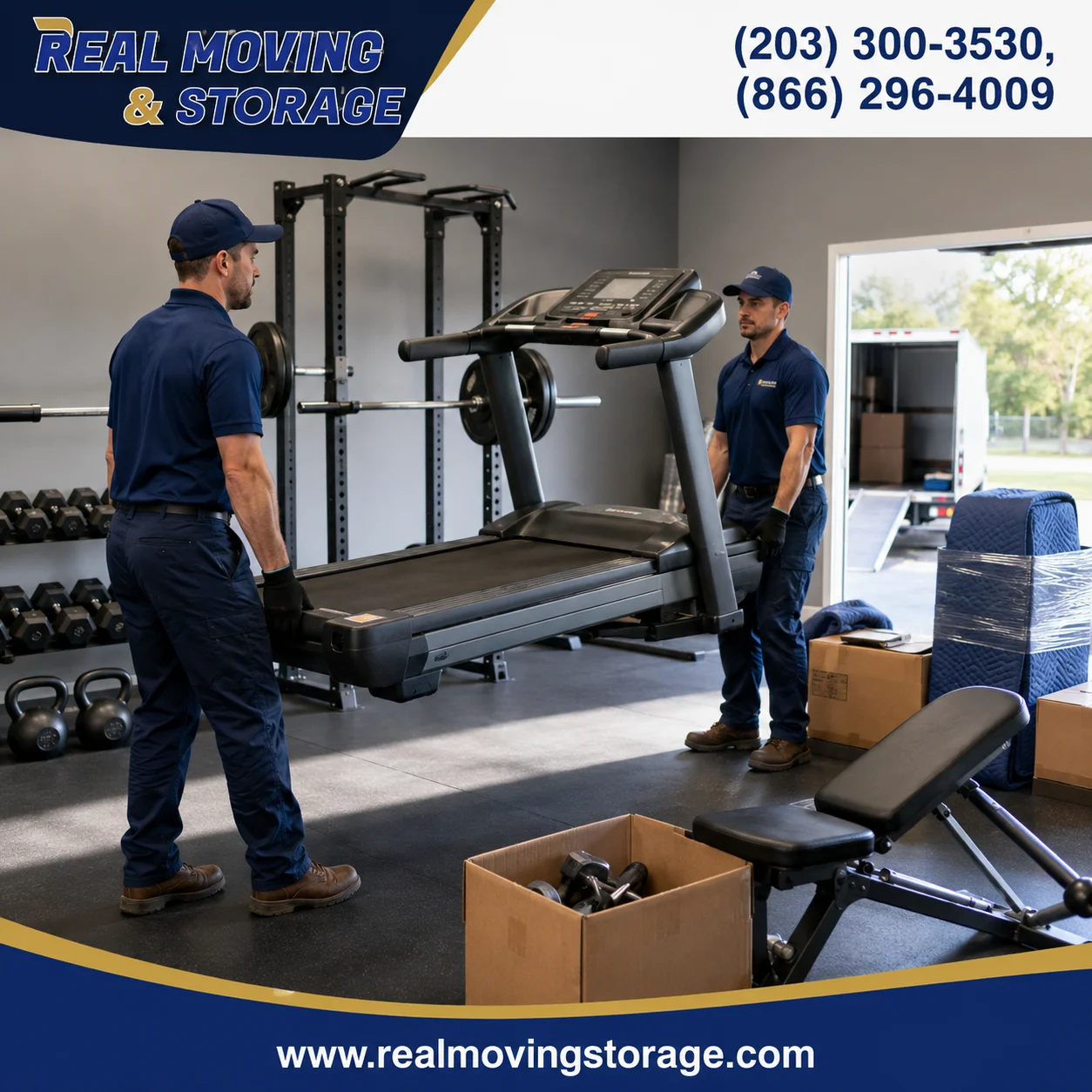
Unlike sofas or dining tables, gym equipment combines weight, moving parts, and precision engineering. Many machines are difficult to grip, making them challenging to lift safely. Others contain electronic consoles, cables, or hydraulic systems that require additional protection during transportation.
Before moving any equipment, consider factors such as weight, size, access points, staircases, and the available space inside the moving vehicle. Planning these details in advance can help prevent delays and accidental damage.
| Household Furniture | Home Gym Equipment |
|---|---|
| Usually easier to lift | Often heavy and difficult to balance |
| Fewer moving parts | Contains mechanical and electronic components |
| Lower risk of calibration issues | May require inspection and testing after moving |
| Simple packing methods | Requires protective wrapping and secure transportation |
Create an Inventory Before You Start
Before Moving a Home Gym, prepare a complete inventory of every item. This helps you organize the move and ensures that no accessories or hardware are misplaced.
- Treadmill
- Exercise bike
- Elliptical trainer
- Rowing machine
- Weight bench
- Squat rack
- Dumbbells
- Barbells
- Weight plates
- Resistance bands
- Yoga mats
- Foam rollers
- Mirrors and storage racks
Take photographs of larger machines before disassembly. These reference images can make reassembly much easier once you arrive at your new home.
Essential Tools for Moving Gym Equipment
Using the right equipment can make the move safer and more efficient. Instead of relying on strength alone, gather tools designed for lifting and protecting heavy items.
- Furniture dollies
- Appliance dollies
- Moving straps
- Bubble wrap
- Moving blankets
- Stretch wrap
- Packing tape
- Zip ties
- Allen keys and adjustable wrenches
- Labeled storage bags for screws and bolts
- Protective work gloves
Having these supplies ready before packing begins helps reduce interruptions on moving day.
Prepare Your Equipment Before Packing
Proper preparation makes Moving a Home Gym much easier. Start by unplugging electronic machines and removing batteries if applicable. Allow powered equipment to cool down before handling it.
Clean each machine thoroughly to remove dust, sweat, and debris. This prevents dirt from scratching surfaces during transportation and gives you an opportunity to inspect for loose bolts or worn components.
If the manufacturer provides disassembly instructions, follow them carefully. Many treadmills, bikes, and rowing machines are designed to be partially dismantled for transportation.
- Remove detachable pedals and seats.
- Fold equipment when the design allows.
- Secure moving arms to prevent shifting.
- Wrap electrical cords separately.
- Store screws and hardware in labeled bags.
Measure Doorways and Moving Paths
One of the most common mistakes people make is assuming every machine will fit through existing doors. Before lifting heavy equipment, measure doorways, hallways, staircases, and elevators at both locations.
Also measure the dimensions of larger machines after disassembly. This simple step can prevent unnecessary delays and reduce the risk of damaging walls, flooring, or the equipment itself.
Packing Fitness Equipment the Right Way
Every piece of gym equipment should be packed according to its material and design. Metal frames are generally durable, but electronic displays, cables, and plastic components require additional cushioning.
Treadmills and Cardio Machines
- Fold the treadmill if the manufacturer recommends it.
- Lock the deck securely before lifting.
- Wrap the console with bubble wrap.
- Protect exposed corners using moving blankets.
Dumbbells and Weight Plates
Heavy weights should never be packed loosely inside large boxes. Instead, use smaller containers that can safely support the weight. Wrap metal plates individually if necessary to reduce scratches and protect surrounding items.
Benches and Racks
Remove adjustable parts whenever possible. Wrap padded surfaces with protective blankets and secure loose components separately.
Safe Lifting Techniques
Heavy lifting is where many moving injuries occur. Good lifting technique is just as important as proper packing.
- Lift with your legs instead of your back.
- Keep the load close to your body.
- Avoid twisting while carrying equipment.
- Use lifting straps when appropriate.
- Never attempt to move large machines alone.
If an item feels unstable or excessively heavy, stop and reassess your approach before continuing.
Loading Equipment for Transportation
After packing, load the heaviest equipment into the moving truck first. Place heavier items near the front of the truck to help distribute weight evenly. Secure every machine with moving straps to minimize movement during transit.
Avoid stacking heavy objects on top of electronic consoles or padded gym benches. Even a short journey can cause shifting if equipment is not properly secured.
DIY or Professional Movers?
The right choice depends on the size of your home gym, the weight of your equipment, and the complexity of the move.
| DIY Move | Professional Movers |
|---|---|
| Suitable for smaller setups | Better for larger or heavier equipment |
| Requires your own tools | Usually includes specialized moving equipment |
| Higher physical effort | Experienced handling of bulky machines |
| More planning required | Can simplify the moving process |
If you’re planning a residential move in Connecticut, working with experienced movers in Fairfield or nearby service areas can make transporting heavy fitness equipment more manageable, particularly when stairs, tight spaces, or larger machines are involved.
Reassembling Your Home Gym After the Move
Once your equipment reaches its new location, avoid rushing the setup. Place each machine where you want it before reassembling, as moving fully assembled equipment again can be difficult. Refer to the photos you took before disassembly and follow the manufacturer’s instructions whenever available.
- Check that all bolts, screws, and fasteners are present.
- Tighten every connection securely without over-tightening.
- Reconnect electrical components carefully.
- Inspect cables, belts, and moving parts for signs of damage.
- Test each machine before your first workout.
If you notice unusual noises, loose components, or display errors, inspect the equipment before using it. Addressing small issues early can help prevent more significant problems later.
Common Mistakes to Avoid When Moving a Home Gym
Even with careful planning, a few common mistakes can make Moving a Home Gym more challenging. Being aware of these issues can help you avoid unnecessary damage and delays.
- Trying to lift heavy equipment without assistance.
- Dragging machines across hardwood or tile floors.
- Skipping the disassembly process to save time.
- Leaving bolts and small parts unlabeled.
- Failing to secure equipment inside the moving truck.
- Ignoring manufacturer recommendations.
- Forgetting to measure doorways and staircases.
- Using damaged boxes or weak packing materials.
A little preparation goes a long way toward protecting both your equipment and your home.
Quick Checklist for Moving a Home Gym
Create an inventory of all equipment.
Clean each machine before packing.
Disconnect power cords and accessories.
Take photos before disassembly.
Label hardware and small components.
Wrap electronic parts with protective padding.
Use dollies or lifting straps for heavy equipment.
Secure equipment inside the moving vehicle.
Inspect and test everything after reassembly.
When Professional Help Makes Sense
Some home gyms include commercial-grade treadmills, cable machines, power racks, or other equipment that is difficult to move safely without specialized tools. In these situations, experienced movers can help reduce the physical strain while protecting valuable equipment during transportation.
Real Moving & Storage is a trusted, family-owned moving company serving Fairfield, CT, since 2006. Founded by Lucas Pinto, who brings more than 25 years of moving industry experience, the company provides local and long-distance residential and commercial moving services, along with professional packing and storage solutions. Their personalized approach and dedicated moving trucks help make complex moves more organized and efficient.
Whether you’re relocating within Fairfield County or nearby communities such as Westport, Norwalk, Stamford, or Newtown, planning ahead and using proper moving techniques can help ensure your home gym arrives safely.
Frequently Asked Questions
Can I move a treadmill without taking it apart?
Some folding treadmills can be moved without full disassembly, but removing detachable components often makes transportation safer and reduces the risk of damage.
Should I remove weight plates before moving?
Yes. Remove all weight plates and transport them separately. This reduces the overall weight of racks and benches and makes lifting safer.
How should I pack dumbbells?
Pack dumbbells in small, sturdy boxes rather than one large container. This keeps the weight manageable and helps prevent box failure during lifting.
Is it safe to move gym equipment by myself?
Small accessories can usually be moved alone, but heavy machines such as treadmills, squat racks, and cable systems should be moved with assistance or by experienced movers.
Do I need to recalibrate gym equipment after moving?
Some electronic fitness machines may require inspection or calibration after transportation. Refer to the manufacturer’s instructions before using the equipment.
How can I protect my floors while moving heavy equipment?
Use furniture sliders, moving blankets, or protective floor coverings. Avoid dragging equipment directly across hardwood, tile, or laminate flooring.
What’s the best way to organize screws and hardware?
Store hardware in labeled zip-lock bags and tape each bag to the corresponding equipment or place everything in a clearly marked container.
How early should I prepare my home gym for moving?
Begin planning several days before moving day. This gives you enough time to clean equipment, organize hardware, gather packing materials, and complete any necessary disassembly.
Conclusion
Moving a Home Gym successfully is all about preparation, safe lifting techniques, and careful handling. Taking time to organize your equipment, protect delicate components, and secure every item during transportation can help reduce the risk of damage and make reassembly much easier.
If your move involves large fitness machines or multiple heavy pieces of equipment, working with experienced professionals can provide added peace of mind. With thoughtful planning and the right approach, you can have your home gym ready for your next workout soon after settling into your new space.
Need Assistance With Your Move?
Real Moving & Storage
(203) 300-3530
Toll-Free: (866) 296-4009
Office:
13 Francis J Clarke Cir, Bethel, CT
Also Serving:
808 Post Road, Fairfield, CT
Contact Real Moving & Storage to discuss your upcoming residential or commercial move and learn more about the moving services available in your area.