Get a Free Estimate Today!
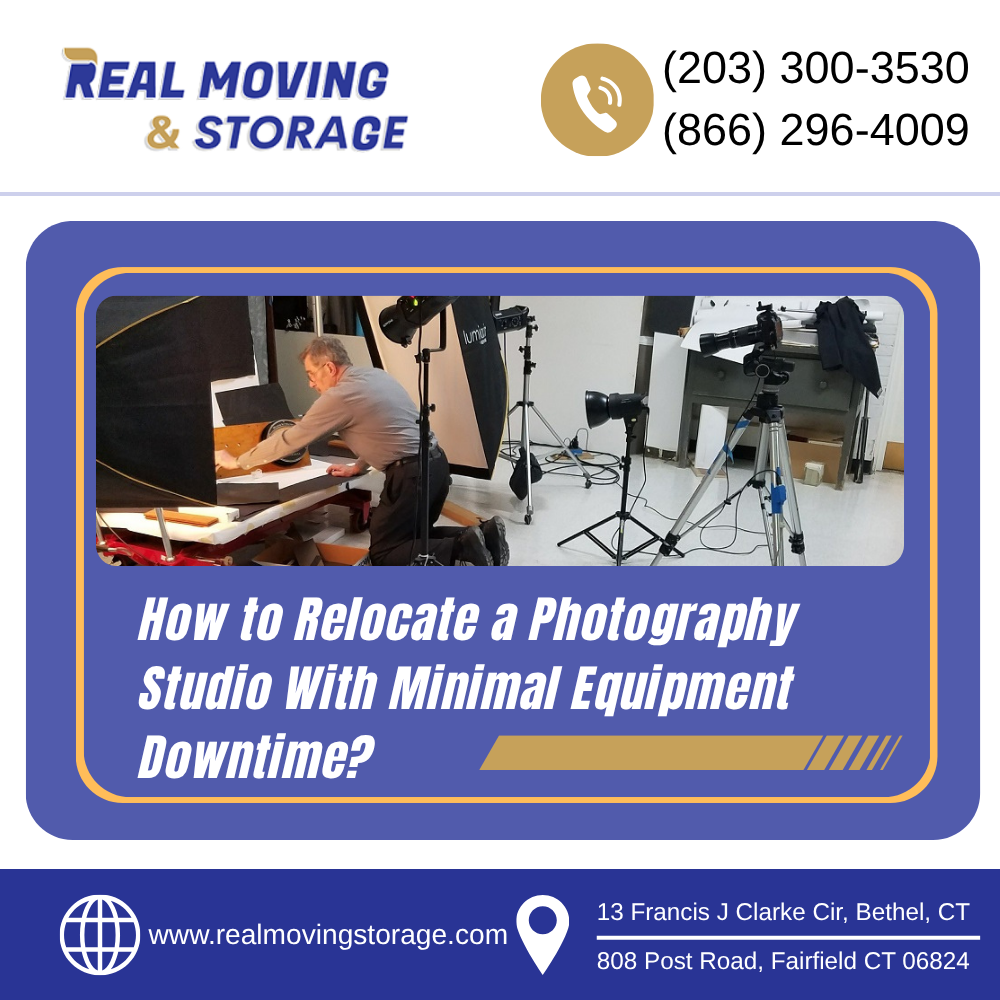
How to Relocate a Photography Studio With Minimal Equipment Downtime
Photography studio relocation requires careful planning, especially when your business depends on expensive cameras, lighting systems, editing computers, and regular client bookings. A poorly organized move can delay photo sessions and interrupt editing work. However, a clear schedule and an equipment protection plan can help you resume operations faster.
The key is to prepare the new workspace before moving, pack equipment systematically, and prioritize essential tools during setup. These steps help photographers protect valuable gear while keeping business disruption to a minimum.
1. Plan the Move Around Your Shooting Schedule
Start by reviewing your booking calendar, editing deadlines, and upcoming projects. Choose a moving date that gives you enough time to pack, transport equipment, and prepare the new studio before your next client appointment.
Whenever possible, avoid moving during your busiest shooting period. You can also schedule the relocation over a weekend or during a quieter business period. Inform clients about any temporary changes to appointments and delivery timelines.
Next, identify the equipment you need for urgent projects. Keep essential cameras, lenses, memory cards, and editing tools accessible until the last stage of the move. This approach helps you maintain limited operations if a project cannot wait.
2. Create an Equipment Inventory and Back Up Your Files
Before packing, prepare a detailed inventory of your studio equipment. Include cameras, lenses, tripods, light stands, flashes, modifiers, computers, monitors, printers, backdrops, and accessories.
Record serial numbers for valuable equipment and photograph its condition. These records can help you identify missing items and document existing damage. Keep the inventory accessible during loading and unloading.
Digital preparation is equally important. Back up client photographs, editing projects, presets, contracts, and business documents to reliable storage. Verify that the backup files open correctly before disconnecting your editing workstation.
Keep essential storage devices and important documents secure throughout the move. A verified backup also provides an additional layer of protection if a computer or storage device develops a problem during relocation.
3. Pack Cameras, Lenses, and Lighting Equipment Separately
Different photography tools require different packing methods. Use padded camera bags or suitable protective cases for cameras and lenses. Fit lens caps securely and avoid placing loose accessories where they can scratch delicate surfaces.
For lighting equipment, separate flash units, LED lights, triggers, cables, and modifiers. Protect fragile bulbs and glass components with appropriate cushioning. Secure light stands and backdrop poles so they cannot shift during transport.
Label each case according to its contents and destination. For example, use separate labels for camera equipment, studio lighting, editing equipment, and background accessories. This makes unloading and unpacking more efficient.
Check manufacturer guidance for batteries and electronic equipment before transport. Keep batteries protected against short circuits, and follow applicable transport requirements. Avoid exposing sensitive gear to excessive heat, moisture, or sudden temperature changes.
4. Prepare the New Studio Before Moving Day
Preparing the destination in advance can save valuable setup time. Measure the available space and decide where shooting areas, editing desks, equipment storage, and client reception will be located.
Check electrical outlets, lighting requirements, internet access, and workstation connections. Plan cable routes to reduce clutter and prevent trip hazards. If you use tethered shooting, confirm that the new layout supports the necessary connections between cameras and computers.
Also, inspect access points, elevators, parking arrangements, and any building restrictions before moving heavy equipment or furniture. Clear pathways will make loading and unloading easier.
If you are relocating within the area, review local moving options such as moving services in Fairfield when they match your destination. Arranging suitable moving support in advance can help you coordinate the transport of bulky studio furniture and fixtures.
5. Coordinate Equipment Transport and Loading
Moving day requires clear communication and an organized loading sequence. Keep fragile equipment separate from heavy furniture, storage cabinets, and other bulky items. Secure cases properly so they do not slide or collide during transport.
Load equipment according to your setup priorities. Items needed immediately at the new studio should be easy to identify and access. However, valuable or sensitive gear should receive appropriate protection rather than being packed solely for convenience.
Use your inventory to track cases during loading and unloading. Assign responsibility for checking equipment at both locations. Before leaving the old studio, inspect storage shelves, drawers, charging stations, and work areas for forgotten accessories.
Professional movers can assist with heavy furniture, studio fixtures, and other difficult items. Discuss fragile equipment, access requirements, and handling expectations before moving day. Confirm the scope of service and relevant protection arrangements in advance.
6. Set Up Essential Equipment First and Test Every System
Once you reach the new studio, focus on essential equipment before unpacking everything. Set up your main camera system, frequently used lenses, primary lighting, and editing workstation first.
Reconnect equipment carefully and inspect cables, power connections, and accessories. Test camera triggers, flash units, continuous lights, and tethered shooting connections. Check that your computer can access the required project files and backups.
Next, conduct a short test shoot. Review focus, exposure, lighting consistency, image transfer, and monitor settings. If you use color-managed editing workflows, verify that your display settings remain suitable for your process.
Allow time to correct problems before your first client session. Keep your equipment inventory nearby and investigate missing accessories or visible damage promptly. Testing early reduces the chance of discovering an avoidable issue during a paid shoot.
7. Avoid Common Photography Studio Relocation Mistakes
Rushed packing, poor labeling, incomplete backups, and unrealistic schedules can create unnecessary downtime. Avoid placing every accessory into mixed boxes without recording where it belongs. This often makes essential tools harder to find during setup.
Do not assume that equipment is ready simply because it powers on. Test the systems you rely on for daily work. Also, avoid booking a demanding shoot immediately after relocation unless the studio has been fully checked and prepared.
Keep a small essentials kit containing frequently used accessories, cleaning materials, chargers, and basic setup tools. A clear checklist and a realistic reopening buffer will help you manage unexpected delays without disrupting every appointment.
Conclusion: Get Your Photography Studio Back to Work Faster
A successful photography studio relocation depends on preparation, equipment protection, and an efficient setup process. Start by organizing your bookings and inventory. Then back up digital files, pack equipment carefully, and prepare the new workspace before moving day.
After transport, install essential equipment first and complete a test shoot before resuming client work. When bulky furniture and studio fixtures require additional handling support, local moving services in Norwalk, CT may be relevant for relocations in that area.
Real Moving & Storage can be considered when planning your move. With a practical schedule and a clear equipment checklist, you can reduce avoidable disruption and get your photography business operating again with greater confidence.
Contact Real Moving & Storage
Phone: (203) 300-3530 | (866) 296-4009
Address: 13 Francis J Clarke Cir, Bethel, CT
Additional location: 808 Post Road, Fairfield, CT