Get a Free Estimate Today!
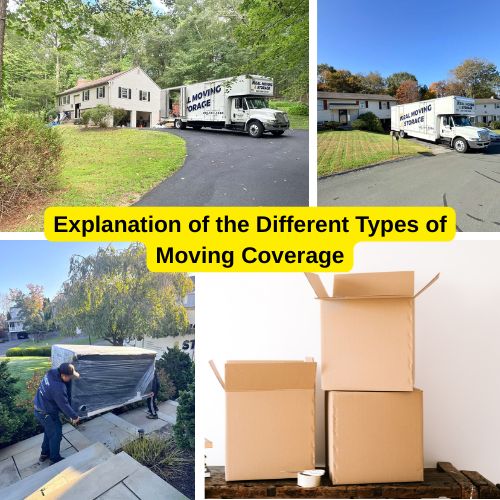
Explanation of the Different Types of Moving Coverage
Moving to a new home or office involves more than just packing boxes and hiring movers. One important factor that many people overlook is moving coverage. While professional movers handle belongings carefully, accidents can still happen during transportation, loading, or unloading. Without understanding the types of coverage available, customers may face unexpected financial loss if items are damaged or lost.
Many people assume that moving companies automatically insure everything at full value. In reality, moving companies provide different types of valuation coverage, each with its own level of protection. Understanding these options helps you choose the right protection for your belongings and ensures a smooth relocation experience.
This guide explains the different types of moving coverage, common misunderstandings, and how to select the right protection for your move.
The Common Problem: Confusion About Moving Insurance
A major issue during relocation is confusion between moving coverage and traditional insurance. Most moving companies do not provide insurance in the traditional sense. Instead, they offer valuation coverage that determines how compensation is calculated if an item is lost or damaged.
Because customers are often unaware of this distinction, they may choose the default option without realizing that it provides very limited protection. This misunderstanding becomes a problem when a claim needs to be filed.
The solution is simple: understand the coverage types before the move begins.
Released Value Protection: The Most Basic Coverage
Released Value Protection is the most basic type of coverage offered by moving companies. It is usually included in the moving cost at no additional charge, which makes it a common choice among customers.
However, this option provides very limited protection.
Under Released Value Protection, movers are responsible for only 60 cents per pound per item.
Example Scenario
Imagine that a 25-pound television worth $900 is damaged during the move. Under Released Value Protection, compensation would be:
25 pounds × $0.60 = $15
Even though the television costs hundreds of dollars, the reimbursement would be minimal.
When This Coverage Might Be Suitable
Released Value Protection may work if:
- Most of your belongings are low value
- Items are easily replaceable
- You are comfortable accepting limited reimbursement
For households with expensive furniture, electronics, or antiques, this option is often insufficient.
Full Value Protection: A Higher Level of Security
Full Value Protection offers significantly stronger coverage compared to Released Value Protection. With this option, the moving company is responsible for repairing, replacing, or compensating the value of damaged or lost items.
If an item is damaged during the move, the company may:
- Repair the item
- Replace it with a similar item
- Provide cash compensation based on the item’s value
Why Many Customers Prefer This Option
Full Value Protection provides peace of mind because compensation is based on the actual value of the item, not its weight.
For example, if a $1,200 dining table is damaged, the moving company may repair it or compensate the replacement cost.
Although this coverage usually involves an additional fee, it is often considered worthwhile for protecting valuable belongings.
Third-Party Moving Insurance
Some homeowners want protection that goes beyond what moving companies offer. In such cases, third-party moving insurance can be purchased from an independent insurance provider.
This type of policy may cover additional risks such as:
- Natural disasters during transportation
- High-value collectibles
- Antiques and artwork
- Jewelry and rare items
Third-party insurance policies often provide broader protection and more flexible claim processes. However, it is important to carefully review policy details, including deductibles and exclusions.
Coverage Needs for Long Distance Moves
Long-distance relocations involve more complex logistics compared to local moves. Items may travel hundreds or even thousands of miles, increasing the risk of damage due to road vibrations, weather conditions, or additional handling.
For example, families planning Long distance moving from Connecticut to south Carolina often consider stronger coverage options because belongings remain in transit for longer periods.
The longer the journey, the greater the chance of unexpected situations. Choosing appropriate coverage helps ensure your belongings remain financially protected throughout the trip.
Special Coverage Considerations for Office Moves
Commercial relocations require a different approach to moving coverage. Businesses often move valuable office equipment, electronics, confidential files, and specialized furniture.
Companies that rely on Commercial Moving Services in Westport CT usually prioritize stronger valuation coverage to protect business assets during relocation.
For offices, coverage may need to account for:
- Workstations and cubicles
- Computer systems and servers
- Conference room equipment
- Sensitive documents and files
Proper planning ensures that business operations can resume quickly after the move.
The Role of Professional Packing in Moving Protection
Another factor that directly affects moving coverage is how items are packed. Improper packing can increase the risk of damage and may even affect the outcome of insurance claims.
Many homeowners reduce this risk by hiring professionals for packing services. Choosing Packing and Unpacking Services in Norwalk CT ensures that fragile belongings are properly wrapped, cushioned, and secured for transportation.
Professional packing typically includes:
- Protective padding for furniture
- Double-layer wrapping for fragile items
- Secure labeling and inventory tracking
- Proper weight distribution inside boxes
These precautions not only reduce the risk of damage but also make claim processing clearer if something goes wrong.
How to Decide Which Coverage Is Right for You
Choosing the right moving coverage depends on several practical factors. Before selecting a coverage option, consider the following questions.
What is the total value of your belongings?
Create a basic inventory list and estimate the value of major items such as furniture, appliances, and electronics.
How far are you moving?
Longer moves usually carry greater risk and may require stronger protection.
Do you own fragile or high-value items?
Artwork, antiques, and electronics benefit from better coverage.
Who is handling the packing?
Items packed by professionals are generally better protected during transit.
By evaluating these factors, you can select coverage that matches your specific moving situation.
Understanding the Claims Process Before You Move
Many people only think about claims after a problem occurs, but understanding the process beforehand is important.
If an item is lost or damaged during the move, you should:
- Inspect belongings immediately after delivery
- Document damage with photos
- Notify the moving company promptly
- Submit a written claim within the required timeframe
Keeping an inventory list and receipts can make the claim process faster and more straightforward.
A Moving Partner That Prioritizes Protection
Choosing the right moving company is just as important as choosing the right coverage. Experienced movers not only handle items carefully but also explain coverage options clearly so customers can make informed decisions.
Real Moving & Storage focuses on providing reliable relocation services with attention to safety, transparency, and customer care. Their team understands that every move is different, whether it involves residential households or commercial offices.
Instead of offering a one-size-fits-all approach, they guide customers through coverage options and relocation planning to ensure belongings are handled responsibly from start to finish.
Our Address
13 Francis J Clarke Cir, Bethel, CT https://share.google/hz7AqSiKDBcMLhgeL
Also Find Us Here
808 Post Road, Fairfield, CT https://share.google/I8rOyzQeXylFlTBYm
Contact Details
(203) 300-3530 , (866) 296-4009
Final Thoughts
Understanding moving coverage is essential for protecting your belongings during relocation. While Released Value Protection offers basic coverage, Full Value Protection and third-party insurance provide stronger financial protection for valuable items.
Before your next move, take time to review your options, estimate the value of your belongings, and discuss coverage with your moving company. Being informed helps you avoid surprises and ensures that your relocation experience is smooth, secure, and stress-free.