Get a Free Estimate Today!
How Moving Affects Mental Health: Science-Backed Tips to Stay Calm
Moving to a new home is often described as a “fresh start,” but science shows it can also be one of the most stressful life events. Research by the American Psychological Association consistently ranks relocation among the top stressors, alongside job loss and major health changes.
Understanding how moving affects mental health—and what you can do about it—can make a huge difference in how smoothly the transition feels.
This guide explains the emotional impact of moving and shares science-backed, practical tips to stay calm before, during, and after your move.
Why Moving Is Mentally Stressful (Backed by Science)
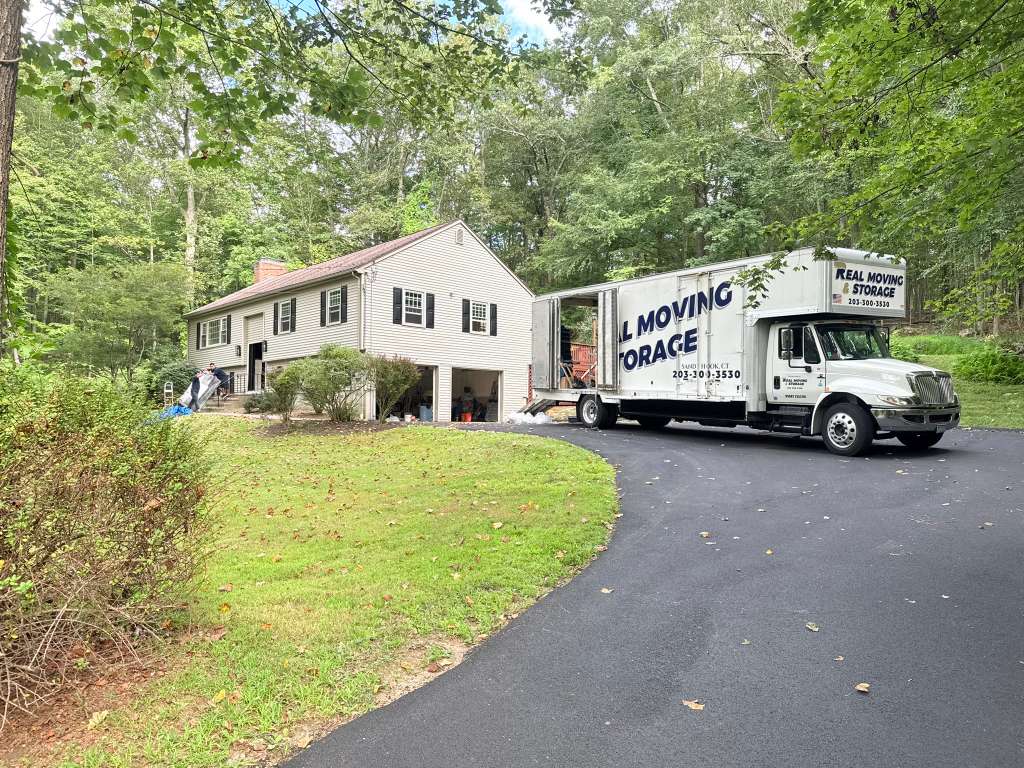
Moving disrupts more than just your address—it affects routines, social connections, and your sense of control.
- Loss of Control and Uncertainty
Psychologists link stress directly to uncertainty. When moving, questions like “Will everything arrive safely?” or “Will I adjust to the new area?” trigger anxiety. A 2019 study published in Personality and Social Psychology Review found that uncertainty significantly increases cortisol, the body’s main stress hormone.
- Emotional Attachment to Places
Homes carry emotional memories. Leaving a familiar space can create feelings of grief, even if the move is positive. This emotional conflict—excitement mixed with sadness—is known as ambiguous loss.
- Physical Exhaustion Increases Mental Strain
Packing, lifting, paperwork, and travel fatigue drain physical energy. Studies show physical exhaustion lowers emotional resilience, making people more prone to irritability, anxiety, and low mood during major transitions.
Common Mental Health Symptoms During a Move
Many people experience temporary emotional symptoms, including:
- Trouble sleeping
- Feeling overwhelmed or irritable
- Anxiety about timelines or belongings
- Difficulty focusing
- Emotional detachment or sadness
These responses are normal, not a sign of weakness.
Science-Backed Tips to Stay Calm While Moving
-
Plan Early to Reduce Anxiety
According to behavioral psychology, planning restores a sense of control. Create a moving timeline at least 6–8 weeks in advance. Break tasks into small steps like sorting, labeling, and scheduling utilities.
Using professional Packing and Unpacking Services can significantly reduce decision fatigue and stress, especially for families and seniors.
-
Protect Your Sleep and Routine
Sleep disruption worsens emotional regulation. Try to:
- Maintain consistent sleep times
- Avoid packing late at night
- Keep daily routines (meals, walks, exercise)
Even short routines anchor the brain during periods of change.
-
Avoid Doing Everything Yourself
A case study published in Journal of Environmental Psychology found that individuals who delegated moving tasks reported 30–40% lower stress levels compared to those who handled everything alone.
If you’re relocating across states, using reliable Long Distance Moving Services in Westport CT can reduce anxiety related to logistics, delays, and item safety.
-
Label and Organize for Mental Clarity
Clutter increases mental overload. Clear labels and inventory lists help your brain feel organized, even when everything is in boxes. Knowing exactly where essentials are reduces post-move frustration.
-
Stay Socially Connected
Moving often disrupts social bonds. Research shows social support buffers stress responses. Make time to:
- Say proper goodbyes
- Stay connected digitally
- Introduce yourself to neighbors early
Human connection stabilizes emotions during transitions.
-
Practice Mindfulness Techniques
Mindfulness reduces cortisol levels and improves emotional regulation. Simple techniques include:
- 5-minute deep breathing sessions
- Short walks without phone distractions
- Grounding exercises when feeling overwhelmed
Even small mindfulness practices help your nervous system reset.
Real-World Example: A Stress-Reduced Move
A family relocating from Fairfield to another state reported extreme anxiety due to timelines and work pressure.
By hiring Packing and Unpacking Services and professional long-distance movers, they reduced physical strain and decision fatigue. Their biggest takeaway: “Once we stopped trying to control everything ourselves, the move felt manageable.”
A Note on Professional Support
How Real Moving & Storage Helps Reduce Moving Stress
At Real Moving & Storage, we’re a trusted, family-owned moving company proudly serving Fairfield, CT, since 2006. Founded by Lucas Pinto, with over 25 years of moving industry experience, we specialize in local and long-distance residential and commercial moves.
Our personalized service, private trucks, and professional packing, moving, and storage solutions are designed to reduce stress and protect peace of mind—because a calm move matters just as much as a successful one.
When Moving Stress Becomes a Problem
If anxiety lasts weeks after your move or affects daily functioning, consider speaking with a mental health professional.
Prolonged stress is manageable, and support can help you adjust faster and healthier.
Final Thoughts
Moving is emotionally challenging—but it doesn’t have to overwhelm you.
By understanding the psychology behind relocation stress and using science-backed strategies, you can protect your mental health and move forward with confidence.
Planning ahead, asking for help, and staying grounded can transform a stressful move into a positive life transition.