Get a Free Estimate Today!
Hyperlocal Moving: Planning Moves Within the Same Neighborhood
Hyperlocal moving is a practical way to relocate within the same area. It focuses on short-distance shifts. These moves usually happen within a few streets, buildings, or nearby communities. Because of the short distance, planning becomes easier. However, small mistakes can still cause delays.
Many people assume local moves are simple. That assumption often leads to poor planning. A hyperlocal moving plan still needs timing, coordination, and the right resources. When done right, it saves time, effort, and cost.
What Is Hyperlocal Moving and How It Works?
Hyperlocal moving refers to relocation within a limited geographic area. This can include moving within the same neighborhood or even the same building. The focus stays on speed, efficiency, and minimal disruption.
Unlike long-distance relocation, hyperlocal moving does not require extended logistics. Instead, it depends on quick execution. Short travel distance allows faster loading and unloading. As a result, same-day completion becomes possible.
In dense urban areas, this type of moving is becoming common. Limited space and traffic conditions make shorter moves more practical. Therefore, many households now prefer hyperlocal moving solutions.
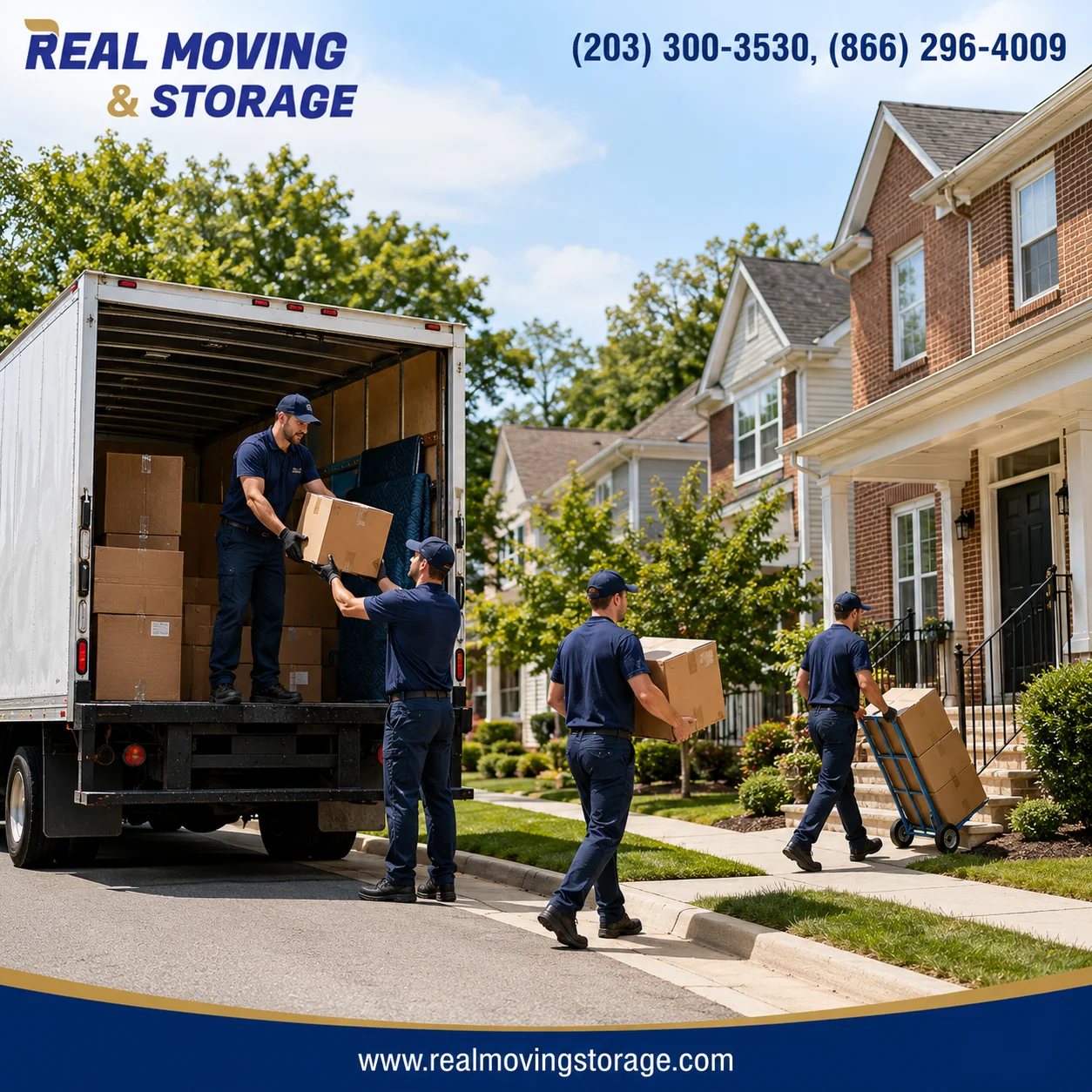
Why Hyperlocal Moving Is Growing in Urban Areas
Urban living creates unique challenges. Parking is limited. Streets are narrow. Buildings have strict moving hours. Because of these constraints, hyperlocal moving offers a better alternative.
Short-distance relocation reduces fuel usage. It also lowers vehicle dependency. As a result, the process becomes more efficient. In addition, quick turnaround times improve overall convenience.
Another reason is flexibility. You can schedule a move within hours instead of days. This makes hyperlocal moving ideal for urgent relocations.
Key Benefits of Hyperlocal Moving
One major advantage is speed. Most hyperlocal moving jobs finish within a single day. This reduces downtime and disruption.
Cost efficiency is another benefit. Since the distance is short, fuel and labor costs stay lower. This makes hyperlocal moving budget-friendly.
The process also requires less packing. You can transport many items without heavy wrapping. However, fragile items still need protection.
In addition, coordination becomes easier. Local movers understand the area well. They know traffic patterns and building rules. This improves execution.
Step-by-Step Plan for a Smooth Hyperlocal Moving Experience
Declutter Before You Start
Start by sorting your belongings. Remove items you no longer need. This reduces the load. It also saves time during packing.
Pack Essentials Separately
Keep daily-use items in one bag. Include documents, chargers, and basic supplies. This helps during the transition.
Inform Building Management
Many buildings require prior notice. Some allow moving only during fixed hours. Therefore, confirm rules in advance.
Choose the Right Time
Early morning works best. Traffic stays low. Elevators are easier to access. As a result, the move becomes faster.
Book Local Movers in Advance
Even short moves need proper handling. Hiring experienced professionals ensures safety. For example, you can explore local moving services in your area to find suitable options.
Cost Factors in Hyperlocal Moving
Hyperlocal moving costs depend on several factors. Distance plays a role, even within a small radius. Volume of items also affects pricing.
Floor level matters as well. Buildings without elevators increase labor effort. This can raise the cost slightly.
Timing is another factor. Peak hours may cost more. Therefore, choosing off-peak time helps manage expenses.
If you are moving within Connecticut, you can check location-specific services like moving in Fairfield or moving in Norwalk for better planning.
Common Challenges in Hyperlocal Moving
Many people underestimate local moves. This leads to avoidable issues. Parking restrictions are a common problem. Trucks may not get space near the building.
Narrow streets create access issues. Large vehicles may not fit. In such cases, smaller vehicles work better.
Building permissions also cause delays. Some societies need written approvals. Without it, the move may stop midway.
Time limits can also affect the process. Missing the allowed window may push the move to another day.
How Technology Is Improving Hyperlocal Moving?
Modern logistics trends are shaping hyperlocal moving. Small transport units now handle short-distance relocation efficiently. This reduces dependency on large trucks.
Local storage options are also improving. Temporary storage spaces help manage timing gaps. This is useful when moving schedules do not align.
In addition, route optimization tools help avoid traffic. This ensures faster completion of hyperlocal moving tasks.
Tips to Make Your Hyperlocal Move Faster
Keep your packing simple. Avoid overpacking small items. Use labeled boxes for better organization.
Coordinate with neighbors if needed. Shared spaces like lifts and parking require cooperation.
Use smaller vehicles for tight areas. This improves access and reduces delays.
Stay available during the move. Quick decisions help avoid confusion.
When to Hire Professionals for Hyperlocal Moving?
Some hyperlocal moving situations need expert support. Heavy furniture is one example. Items like beds, wardrobes, and appliances require proper handling.
Multi-floor buildings also increase difficulty. Without lifts, the process becomes slow and physically demanding. In such cases, trained movers help reduce risk.
Tight schedules are another reason. If you need to complete the move within a few hours, professional support ensures faster execution.
You can also explore area-specific solutions like moving in Stamford or moving in Westport for better coordination.
Choosing the Right Approach for Same Neighborhood Moving
Not every move needs the same setup. Small apartment moves may need only a few helpers. Larger homes require structured planning.
Start by evaluating your inventory. Count large items separately. This helps decide the type of vehicle needed.
Then, check access points. Entry gates, parking areas, and lift size matter. These details affect the speed of hyperlocal moving.
Local familiarity also plays a role. Movers who know the area handle restrictions better. For example, services like moving in Newtown or moving in Wilton often manage local conditions efficiently.
Hyperlocal Moving vs Traditional Moving
Hyperlocal moving focuses on short distance and speed. Traditional moving involves long routes and complex logistics.
In hyperlocal moving, planning is compact. You can complete packing and transport on the same day. However, long-distance moves need multi-day coordination.
Cost also differs. Hyperlocal moving usually costs less due to reduced travel. On the other hand, traditional moving includes fuel, tolls, and extended labor.
Flexibility is higher in local moves. You can reschedule easily. This is not always possible with long-distance relocation.
Service Coverage for Local and Nearby Areas
Hyperlocal moving services often extend to nearby towns and counties. This helps people relocate within short regional distances without complex arrangements.
For example, if you are planning a nearby move, you can check options like moving in New Milford, moving in Danbury, or moving in Monroe.
Similarly, New York locations such as moving in Rye or moving in Scarsdale also fall within short-distance relocation zones.
Access to multiple service areas improves flexibility. It allows better planning without changing service providers.
About Real Moving & Storage
Real Moving & Storage is a trusted, family-owned company serving Fairfield, CT, since 2006. Founded by Lucas Pinto, it offers reliable local and long-distance moving with personalized care and professional solutions.
Practical Checklist for Hyperlocal Moving Day
Keep all boxes labeled clearly. This helps during unloading. Place essential items in a separate bag for quick access.
Confirm parking availability before the truck arrives. This avoids delays. Inform neighbors if shared space is required.
Check utilities in the new home. Ensure electricity and water are active. This makes the transition smooth.
Stay present during loading and unloading. Quick supervision helps avoid confusion.
Frequently Asked Questions About Hyperlocal Moving
How long does hyperlocal moving take?
Most hyperlocal moving jobs finish within a few hours. The exact time depends on the number of items and building access.
Is packing required for short-distance moves?
Basic packing is still necessary. Fragile items need protection. However, heavy packing is usually not required.
Can I move on the same day?
Yes, many hyperlocal moving services support same-day relocation. Early planning improves availability.
Do I need professional movers for short moves?
It depends on the situation. Small moves may not need full-service help. However, heavy or complex setups benefit from professional support.
Final Thoughts on Planning a Hyperlocal Moving Strategy
Hyperlocal moving works best with simple planning and clear timing. Short distance does not remove the need for coordination. Instead, it demands faster decision-making.
Understanding local conditions helps avoid delays. Proper preparation improves speed and reduces effort. With the right approach, hyperlocal moving becomes efficient and manageable.