Get a Free Estimate Today!
Moving After a Divorce: Step-by-Step Emotional & Legal Guide
Moving after a divorce is very different from a typical relocation. It is not just about boxes and addresses—it is a transition involving emotional recovery, legal responsibilities, financial clarity, and practical planning. For many individuals, this move marks the beginning of an entirely new chapter, making it both necessary and emotionally complex.
This comparison-based guide breaks down what you’re facing emotionally vs. legally, how each impacts your move, and the best step-by-step approach to handle both without unnecessary stress or mistakes.
Emotional vs. Legal Challenges After Divorce: A Clear Comparison
| Aspect | Emotional Impact | Legal Impact |
| Decision-Making | Overwhelm, hesitation | Must follow court orders |
| Timing of Move | Emotion-driven urgency | Often restricted by custody laws |
| Property Division | Attachment to shared items | Asset ownership must be clarified |
| Children’s Stability | Fear, anxiety, resistance | Parenting plans must be respected |
Expert Insight: Most post-divorce moving stress happens when emotional urgency conflicts with legal timelines.
Step 1: Address the Emotional Side First
Why Emotions Affect Moving Decisions
Psychologists note that divorce ranks among the top two most stressful life events, often triggering impulsive decisions. Moving too quickly without emotional clarity can create regret or legal trouble.
Common Emotional Challenges
- Letting go of shared spaces
- Downsizing unexpectedly
- Fear of starting over
- Guilt related to children
Example:
A recently divorced parent rushed into a move to “escape memories,” later discovering custody restrictions limited relocation options.
Step 2: Understand the Legal Rules Before You Move
Key Legal Factors to Check
- Court-approved divorce decree
- Child custody and relocation clauses
- Property ownership rights
- Spousal or child support implications
Important: If children are involved, relocating—even within the same state—may require written consent or court approval.
This is especially critical when planning long distance moving from Connecticut to North Carolina, where state jurisdiction and custody enforcement laws differ.
Step 3: Compare Local vs. Long-Distance Moves After Divorce
Local Relocation
A local move often offers:
- Easier custody compliance
- Minimal school disruption
- Faster emotional adjustment
Many individuals choose Local Moving Wilton to stay close to work, schools, and support systems while maintaining legal stability.
Long-Distance Relocation
Long-distance moves provide:
- A psychological “fresh start”
- New career or family opportunities
- Greater emotional distance from conflict
However, they require:
- Legal clearance
- Detailed planning
- Emotional preparation for separation from children or co-parents
Step 4: Create a Divorce-Specific Moving Plan
What Makes This Different From a Regular Move?
- Items may still be under dispute
- Emotional triggers during packing
- Strict move-out deadlines
Expert Recommendation:
Create three lists:
- Items legally yours
- Items to be negotiated
- Items to leave behind
This prevents post-move legal conflicts.
Step 5: Protect Children During the Move
Emotional vs. Legal Balance
Children process divorce and moving differently. Stability is key.
Best Practices
- Maintain consistent routines
- Explain the move honestly but calmly
- Avoid discussing legal conflict
- Coordinate schedules with co-parents
Data from child psychology studies shows children adjust better when moves are predictable and well-communicated.
Case Study: A Structured Move After Divorce
Scenario:
A divorced professional with shared custody planned a move out of state for a new job.
Challenge:
Emotional urgency conflicted with legal custody limits.
Solution:
By consulting legal counsel, adjusting timelines, and choosing a professionally managed move, the relocation occurred without court conflict.
Outcome:
- Custody preserved
- Reduced emotional stress
- Smooth transition for children
Choosing the Right Moving Support Matters
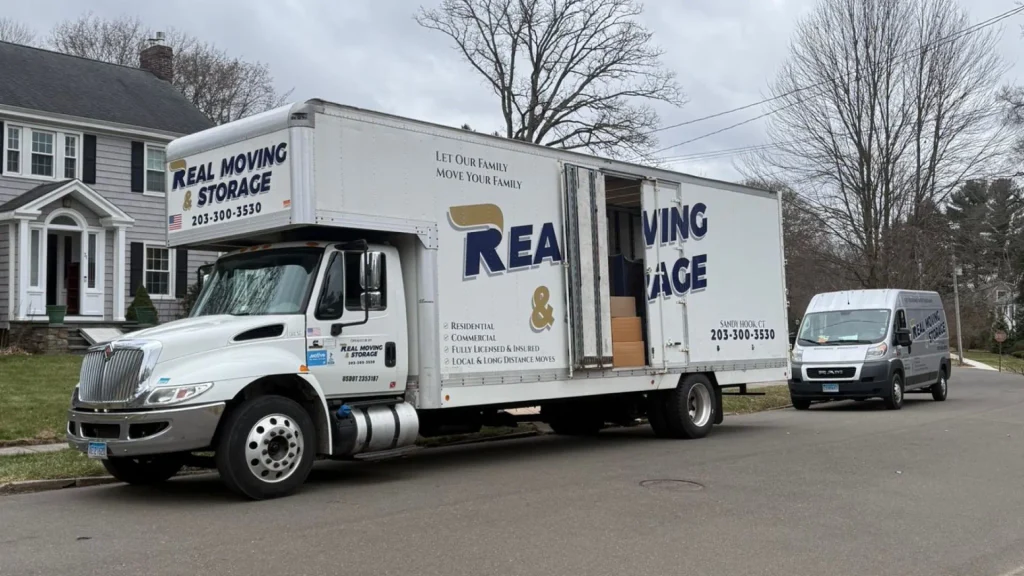
At Real Moving & Storage, we understand that post-divorce moves require sensitivity, privacy, and precision. As a family-owned moving company serving Fairfield, CT, since 2006, founded by Lucas Pinto with over 25 years of experience, we specialize in both local and long-distance relocations.
Our personalized approach, private trucks, and professional packing and storage solutions help individuals move forward confidently—without added stress or complications.
Final Comparison Takeaway
Moving after a divorce is not just a logistical change—it’s a life reset. Emotional readiness without legal clarity leads to problems. Legal compliance without emotional care leads to burnout. The healthiest moves balance both.
With the right planning, legal awareness, and professional support, this transition can become a foundation for stability rather than stress.