Get a Free Estimate Today!
Moving Tips for People With Pets That Have Anxiety
Relocating to a new home can be a stressful experience, but when you have a pet with anxiety, the moving process becomes even more challenging.
Pets, especially dogs and cats, are creatures of habit, and the disruption of their familiar environment can exacerbate their anxiety.
In this blog, we’ll explore expert tips and strategies to make moving with an anxious pet smoother for both you and your furry friend.
Understanding Pet Anxiety During a Move
When you’re preparing for a move, the chaos of packing, changing your living space, and the physical act of relocation can overwhelm even the most laid-back pet.
Pets with anxiety may experience increased stress during transitions, making them more vulnerable to behaviors such as excessive barking, hiding, or even destructive actions.
For animals with anxiety, the unpredictability of the move can feel like an overwhelming shift in their entire world.
For example, if you’re planning a Residential Moving in Fairfield CT or hiring Movers in Westport CT, the sound of moving boxes, strangers handling your items, and sudden changes in routine can trigger heightened anxiety in your pet.
Understanding the signs of anxiety in pets (such as drooling, shaking, or panting) can help you take proactive steps to reduce their distress.
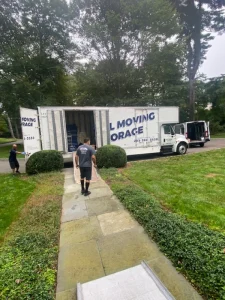
Preparation is Key: Helping Your Pet Adjust Before Moving Day
Preparation is vital when moving with an anxious pet. Start by gradually getting your pet used to the changes well before the move. Here are a few key steps:
- Create a Safe Space: Set up a quiet area in your current home where your pet can retreat and feel secure. This space should have their bed, toys, and familiar scents. Make this a routine spot for your pet to relax in leading up to the move.
- Maintain Their Routine: Try to keep feeding and walking schedules consistent. Pets thrive on routine, so sticking to the same timetable helps alleviate anxiety during uncertain times.
- Desensitize Your Pet to Packing: Moving boxes, tape, and packing materials can be alarming to your pet. Gradually introduce your pet to these items over several days. Allow them to sniff the boxes and explore them, so they associate the packing process with a safe environment rather than an unfamiliar one.
- Visit the Vet: If your pet has extreme anxiety, consider consulting with your veterinarian. They may recommend calming treatments or medications for your pet, which can help them handle the stress better on moving day.
On Moving Day: Reducing Stress for Your Pet
When the big day arrives, it’s crucial to make sure your pet is as calm and comfortable as possible. Here’s what you can do:
- Keep Your Pet in a Quiet Space: On the day of your Residential Moving in Fairfield CT or if you’re working with Movers in Westport CT, try to keep your pet in a separate room while the movers are busy. If possible, have a friend or family member take care of your pet during the move.
- Travel in Comfort: If you’re driving with your pet, ensure that their travel space is safe and familiar. Bring along their favorite blanket or toy, and avoid feeding them too much before the journey to prevent motion sickness.
- Avoid Overwhelming Your Pet: Pets can easily get overwhelmed with new environments. Once you arrive at your new home, don’t immediately introduce them to the entire space. Instead, create a smaller, quiet area with familiar items from the previous home and let them adjust gradually.
Settling Into the New Home: Creating a Calm Environment
Once you’ve completed your move, it’s essential to help your pet settle into their new surroundings. Here’s how you can ease their transition:
- Unpack Slowly: Set up your pet’s space first. Establish their bed, food, and water bowls, and allow them to get used to this area before exploring the rest of the house.
- Maintain Routine: Just like before the move, stick to regular feeding, walking, and playtime schedules. This consistency will provide your pet with a sense of stability.
- Patience is Key: It may take a few days, or even weeks, for your pet to fully adjust. Be patient and understanding, and allow them to explore at their own pace.
- Safe Spaces: Ensure your pet has access to a quiet area they can retreat to when feeling overwhelmed. This could be a specific room or a crate where they feel secure.
Expert Insights and Case Studies
In an interview with a certified animal behaviorist, Dr. Jane Lawrence, she mentioned that many pets with anxiety respond positively to pheromone diffusers, which release calming scents that mimic the ones produced by mother animals.
These diffusers can be placed in your pet’s new space, helping them feel more at ease.
A case study of a dog named Max, who experienced severe anxiety during moves, showed that introducing Max to his new home gradually helped reduce his stress.
Max’s owners set up a “comfort zone” for him in the new home, and by taking small walks around the neighborhood to familiarize him with the area, his anxiety decreased significantly.
Final Thoughts: Moving Doesn’t Have to Be a Nightmare for Anxious Pets
Moving is a big challenge, but it doesn’t have to be overwhelming for your pet.
By planning ahead, maintaining routines, and helping your pet adjust step by step, you can significantly reduce their anxiety during the relocation process.
If you’re looking for reliable and experienced movers, Real Moving & Storage offers excellent services designed with your family’s needs in mind.
Their team understands the intricacies of moving with pets and will ensure a stress-free experience for both you and your furry friends.