Get a Free Estimate Today!
Rainy Day Moving: How Professionals Prepare for a Safe and Stress-Free Relocation
Rain can make moving day more complicated than expected. Wet driveways, slippery walkways, soaked boxes, and damp furniture can quickly turn a well-planned move into a stressful experience. A successful Rainy Day Moving plan is not just about carrying an umbrella. It requires careful preparation, the right packing materials, proper coordination, and a team that understands how to protect your belongings from moisture and accidents.
Professional movers do not wait until it starts raining. They prepare before the truck arrives. They review the weather forecast, organize waterproof packing supplies, protect entryways, and adjust the loading process to reduce exposure to rain. These small details help prevent unnecessary damage and keep the move on schedule.
If your moving date falls during the rainy season, understanding how professionals prepare can help you protect your furniture, electronics, important documents, and your home throughout the relocation.
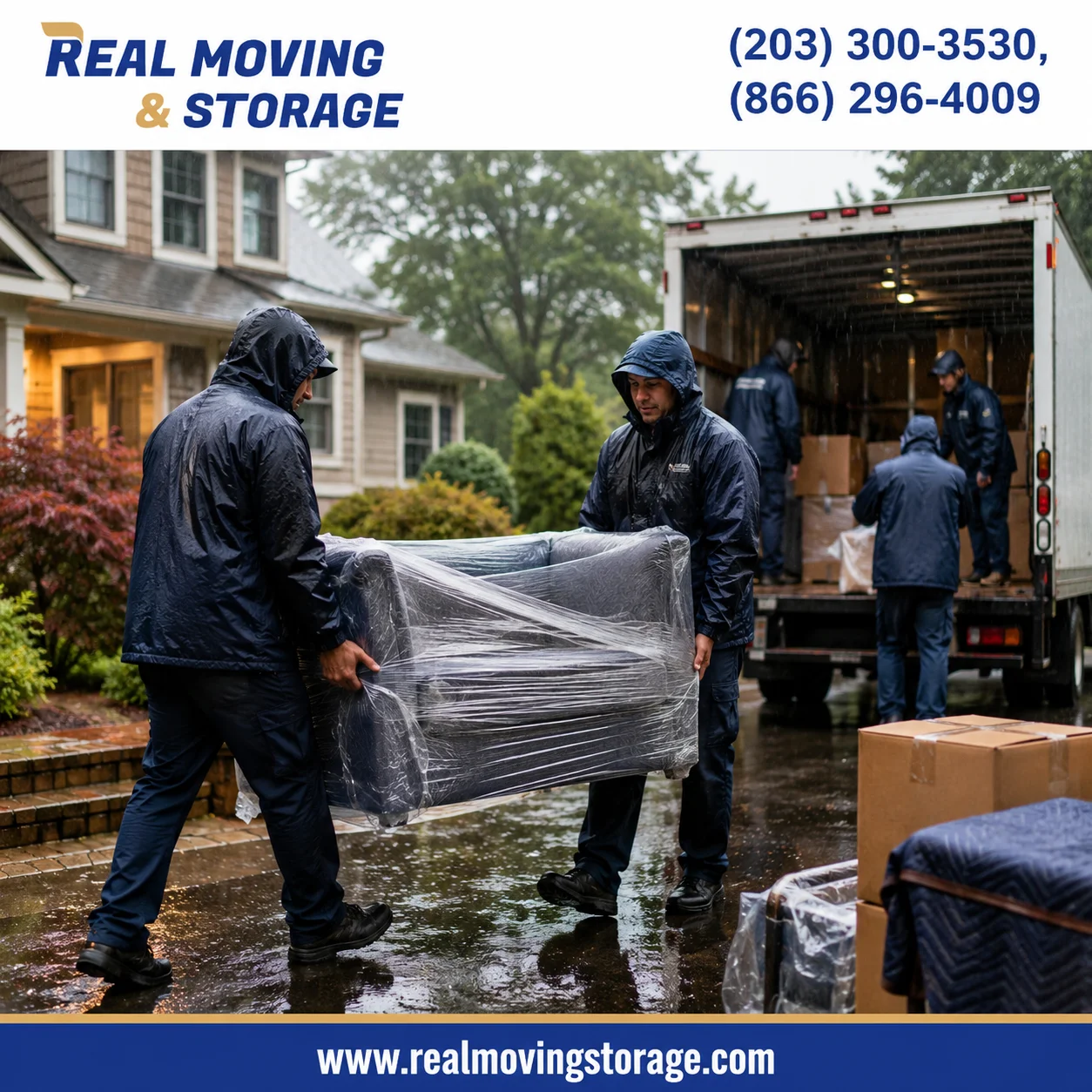
Why Rainy Day Moving Requires Extra Planning?
A sunny moving day allows more flexibility. A Rainy Day Moving project demands a different approach. Rain affects almost every stage of the relocation process, from packing and loading to transportation and unloading.
Cardboard boxes can weaken after even a short exposure to water. Hardwood furniture may absorb moisture if it is not wrapped correctly. Wet floors also increase the risk of slips for both homeowners and movers. These challenges can slow down the entire move if proper planning is missing.
Professional movers prepare for these situations in advance. They focus on reducing the time each item spends outside while protecting both the property and the belongings during every step.
Common Challenges During Rainy Day Moving
- Wet cardboard boxes losing strength.
- Furniture exposed to moisture.
- Slippery driveways and entryways.
- Mud being tracked inside the home.
- Higher risk of damage to electronics.
- Longer loading and unloading times.
- Reduced visibility while driving moving trucks.
Knowing these risks makes it easier to prepare before moving day instead of reacting after problems appear.
How Professional Movers Prepare Before Rainy Day Moving?
Experienced moving companies follow a structured process instead of making last-minute decisions. Every successful Rainy Day Moving project begins several days before the scheduled relocation.
Review the Weather Forecast Early
Professional movers monitor weather updates before moving day. Instead of checking only the daily forecast, they often review hourly weather reports to identify the safest loading window.
If heavy rain, flooding, or strong winds are expected, they discuss available options with the customer before the moving truck arrives. Early communication helps avoid unnecessary delays and confusion.
Prepare Waterproof Packing Supplies
Rain protection starts with the right materials. Professional crews prepare extra waterproof supplies before loading begins.
- Heavy-duty plastic stretch wrap.
- Furniture covers.
- Mattress bags.
- Water-resistant tarps.
- Extra packing tape.
- Plastic storage bins for sensitive items.
- Absorbent towels.
These materials create an additional barrier between valuable belongings and unexpected rain.
Plan the Shortest Loading Route
One of the biggest goals during Rainy Day Moving is reducing outdoor exposure. Professional movers look for the shortest and safest path between the house and the moving truck.
Whenever possible, the truck is parked close to the entrance. Obstacles are removed before loading starts. This improves efficiency and reduces the chances of furniture getting wet.
Assign Responsibilities Before Loading
Experienced moving crews work as a coordinated team. Each person has a specific responsibility before the first box leaves the house.
- One crew member prepares protective floor coverings.
- Another secures furniture with waterproof wrapping.
- One person organizes the truck.
- Another manages the loading sequence.
This organized workflow reduces unnecessary movement and keeps the relocation running smoothly despite poor weather.
Essential Supplies Professionals Use During Rainy Day Moving
The quality of packing supplies often determines how well belongings survive wet weather. Professional movers avoid relying only on standard moving blankets because fabric can absorb moisture.
Instead, they use protective materials based on the type of item being moved.
| Supply | Purpose |
|---|---|
| Plastic Stretch Wrap | Protects furniture from rain and moisture. |
| Heavy-Duty Tarps | Covers furniture while loading. |
| Mattress Bags | Keeps mattresses dry during transport. |
| Plastic Storage Bins | Protects documents and electronics. |
| Non-Slip Floor Runners | Reduces slipping inside the home. |
| Waterproof Tape | Strengthens box seals against moisture. |
| Microfiber Towels | Dries surfaces before loading. |
Using the correct supplies reduces the possibility of water damage and keeps the move organized from beginning to end.
Protecting Furniture and Fragile Items from Rain
Different household items require different levels of protection during Rainy Day Moving. Professional movers never use the same packing method for every item.
Wooden Furniture
Wood can absorb moisture if exposed for too long. Movers first wrap furniture with protective moving pads. They then add waterproof plastic wrapping to keep rain away without increasing the risk of scratches.
Upholstered Furniture
Sofas, recliners, and fabric chairs can soak up rain quickly. Waterproof covers help prevent moisture from reaching the fabric while the furniture is being transported between the house and the truck.
Electronics
Computers, televisions, gaming systems, and monitors should always be packed inside sealed cartons with protective cushioning. Plastic liners provide another layer of protection against unexpected rain.
Important Documents
Passports, legal papers, financial records, and certificates should never travel in standard cardboard boxes. Waterproof document folders or sealed plastic containers provide much better protection throughout the move.
How Professional Movers Protect Floors and Entryways?
Protecting your belongings is only one part of a successful Rainy Day Moving plan. Wet shoes and muddy equipment can also damage hardwood floors, tiles, carpets, and entryways. Professional movers prepare the walking path before carrying the first item outside.
Floor protection helps reduce cleaning time after the move. It also lowers the risk of slips and accidental damage.
Use Temporary Floor Protection
Professional movers often cover high-traffic areas before loading begins. This keeps moisture and dirt from spreading throughout the house.
- Non-slip floor runners.
- Plastic floor coverings.
- Heavy-duty door mats.
- Protective corner guards.
- Absorbent towels near entrances.
A clean and dry pathway also allows movers to carry heavy furniture more safely.
Create a Dry Staging Area
Instead of placing furniture directly outside, experienced movers create a temporary staging area close to the entrance. Items stay protected until the truck is ready for loading. This reduces unnecessary exposure to rain.
Packing Tips That Make Rainy Day Moving Easier
Good packing becomes even more important during Rainy Day Moving. Moisture can weaken packaging within minutes. Choosing the right materials helps protect valuable belongings throughout the journey.
Seal Every Box Properly
Every cardboard box should be sealed using high-quality packing tape. Reinforcing the bottom of each box provides extra support if the surface becomes damp.
Use Plastic Bins for Sensitive Items
Plastic storage containers offer better protection than cardboard for moisture-sensitive belongings.
They are ideal for:
- Important documents.
- Photo albums.
- Electronics.
- Family keepsakes.
- Prescription medicines.
Separate Your Moving Day Essentials
Keep one waterproof bag with items you may need immediately after arriving.
- Dry clothes.
- Towels.
- Phone chargers.
- Snacks.
- Water bottles.
- Basic toiletries.
- Cleaning cloths.
This small step can make a Rainy Day Moving experience much more comfortable.
Loading Strategies Professionals Use During Rainy Weather
Loading speed matters during wet weather. However, moving quickly should never compromise safety. Professional movers follow a planned loading sequence that keeps both belongings and crew members protected.
Load Large Furniture First
Large furniture usually takes longer to move. Professionals load these items first while the truck has maximum space available. This reduces unnecessary handling later.
Use a Team Relay System
Instead of one person carrying items from the house to the truck repeatedly, many professional crews use a relay system.
One mover stays inside the home.
Another works near the entrance.
A third organizes the truck.
This process shortens the amount of time each item remains outside.
Keep the Truck Interior Dry
The truck door should remain closed whenever possible. Opening it only during loading helps reduce rain entering the cargo area.
When Should You Reschedule a Rainy Day Moving Project?
Not every rainy day requires postponing a move. Light showers are often manageable with proper preparation. However, severe weather can create unnecessary risks.
| Weather Condition | Recommended Action |
|---|---|
| Light Drizzle | Continue with proper waterproof protection. |
| Moderate Rain | Proceed carefully after reviewing conditions. |
| Heavy Rain | Discuss options with your moving company. |
| Thunderstorms | Delay the move if safety is affected. |
| Flood Warnings | Reschedule the relocation. |
| High Winds | Consider postponing large-item transportation. |
Safety should always take priority over keeping the original schedule.
What Professional Movers Do Differently?
Professional movers prepare for weather-related challenges long before moving day. Their experience allows them to adapt quickly without rushing the relocation.
- They monitor weather forecasts in advance.
- They bring waterproof packing materials.
- They protect floors before loading starts.
- They organize an efficient loading sequence.
- They use proper lifting techniques on wet surfaces.
- They communicate clearly with customers throughout the move.
These simple practices help reduce unnecessary delays and protect valuable household belongings during Rainy Day Moving.
About Real Moving & Storage
At Real Moving & Storage, we have proudly served homeowners and businesses across Connecticut since 2006. As a trusted family-owned moving company founded by Lucas Pinto, we combine more than 25 years of moving industry experience with personalized service and careful planning. Our team handles local and long-distance residential and commercial relocations using private trucks, professional packing techniques, and secure storage solutions. Every move receives individual attention because building long-term customer relationships has always been part of our approach.
If you are planning a move in Fairfield County or nearby communities, you can explore our professional moving services, learn more about our company, or see the locations listed in our service areas.
Office Address: 13 Francis J Clarke Cir, Bethel, CT
Also Find Us: 808 Post Road, Fairfield, CT
Phone: (203) 300-3530 | (866) 296-4009
How Homeowners Can Prepare Before Movers Arrive?
Professional movers do their part, but homeowners can also make Rainy Day Moving easier with a little preparation.
- Clear walkways before the truck arrives.
- Trim branches near the entrance if needed.
- Reserve parking close to the property.
- Keep umbrellas and towels accessible.
- Disconnect appliances in advance.
- Keep children and pets away from busy loading areas.
- Charge mobile phones before moving begins.
- Pack important documents separately in waterproof storage.
Small preparations like these help the moving crew work more efficiently while keeping your belongings protected.
Common Rainy Day Moving Mistakes to Avoid
Even a well-planned move can face problems if small mistakes are overlooked. During Rainy Day Moving, these mistakes often lead to damaged furniture, wet boxes, or unnecessary delays. Understanding them beforehand can help you avoid expensive repairs and extra stress.
Leaving Cardboard Boxes Outside
Cardboard absorbs moisture quickly. Boxes left on wet driveways or sidewalks may weaken before they are loaded. Always move boxes directly from the house to the truck.
Using Only Fabric Moving Blankets
Moving blankets protect against scratches but are not waterproof. They should be covered with plastic stretch wrap or waterproof furniture covers during Rainy Day Moving.
Ignoring the Weather Forecast
Weather conditions can change within hours. Checking the forecast only once is not enough. Review hourly updates before the movers arrive.
Wearing the Wrong Footwear
Smooth-soled shoes increase the chance of slipping. Shoes with rubber soles and good traction provide better grip on wet surfaces.
Not Protecting Electronics
Electronics should always be packed in sealed cartons with additional plastic protection. Even light rain can damage sensitive equipment.
Rainy Day Moving Checklist
Use this checklist before your moving day arrives.
Before Moving Day
- Check the latest weather forecast.
- Confirm the moving schedule.
- Buy waterproof packing materials.
- Prepare plastic covers for furniture.
- Seal every moving box securely.
- Pack important documents separately.
- Reserve parking near the entrance.
- Clear outdoor walkways.
During the Move
- Keep doors closed whenever possible.
- Use floor runners and door mats.
- Move boxes directly into the truck.
- Dry wet furniture before loading.
- Watch for slippery surfaces.
- Keep pets and children indoors.
After Arrival
- Remove plastic wrapping immediately.
- Inspect furniture for moisture.
- Check electronics before plugging them in.
- Open damp boxes first.
- Improve airflow using fans if necessary.
- Clean wet floors promptly.
What to Do After a Rainy Day Moving Project?
Your work does not end after unloading the truck. Proper post-move care helps prevent long-term moisture damage.
Inspect Every Box
Look for damp cardboard, broken tape, or signs of water exposure. Open any wet boxes immediately so the contents can dry properly.
Remove Protective Covers
Plastic wrapping protects furniture during transport. However, leaving it on for too long can trap moisture. Remove protective covers once items are safely inside.
Dry Furniture Completely
Use clean towels to wipe wooden furniture, tables, cabinets, and appliances. If upholstered furniture feels damp, improve ventilation by opening windows or using fans when weather permits.
Check Electronics Carefully
If any electronic item has been exposed to moisture, allow it to dry completely before connecting it to a power source.
Frequently Asked Questions About Rainy Day Moving
Can professional movers work during light rain?
Yes. Most professional movers continue working during light rain while using waterproof packing materials and protective floor coverings. Severe weather may require rescheduling for safety reasons.
How do professionals keep furniture dry?
Furniture is typically wrapped with protective padding followed by waterproof plastic stretch wrap or furniture covers. This helps reduce exposure to rain while loading and unloading.
Should electronics travel in cardboard boxes during Rainy Day Moving?
Electronics should be packed in sturdy cartons with cushioning and additional waterproof protection. Plastic storage containers may offer extra protection for valuable equipment.
Can cardboard boxes get damaged in the rain?
Yes. Cardboard weakens quickly after absorbing moisture. Keeping boxes indoors until they are loaded helps reduce this risk.
Is it better to postpone Rainy Day Moving?
Light rain usually does not require postponement. However, heavy rain, flooding, lightning, or unsafe road conditions may make rescheduling the safer option.
How can I protect important documents during a rainy move?
Store passports, financial records, property papers, and legal documents inside waterproof folders or sealed plastic containers instead of standard moving boxes.
What items require the most protection during Rainy Day Moving?
Electronics, mattresses, upholstered furniture, artwork, photographs, musical instruments, and important documents are among the most moisture-sensitive household items.
Should I unpack immediately after a rainy move?
Start by unpacking any boxes that appear damp. This helps prevent trapped moisture from affecting the contents and allows better airflow around packed items.
Conclusion
A successful Rainy Day Moving experience depends on preparation, not luck. Waterproof packing materials, protected walkways, organized loading, and careful planning all help reduce weather-related risks. Taking the time to prepare before moving day protects your belongings and makes the relocation smoother from start to finish.
Working with experienced movers who understand wet-weather logistics can also make a noticeable difference. Combined with smart packing and proper post-move care, these practices help keep your relocation on schedule while reducing the chances of unnecessary damage.