Get a Free Estimate Today!
Relocating a Veterinary Clinic: Step-by-Step Guide
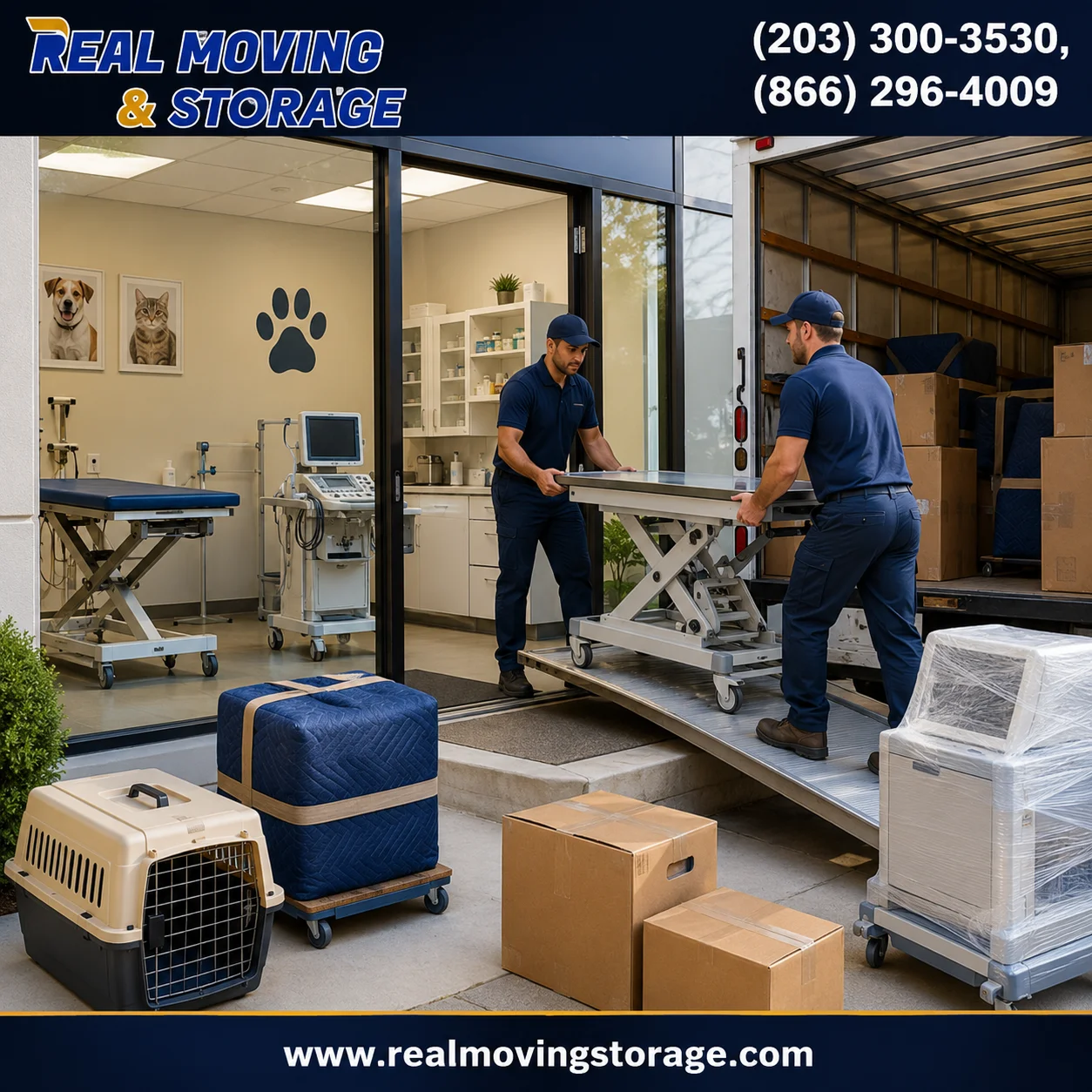
Planning a Veterinary Clinic Relocation is much more than moving furniture and medical equipment from one building to another. Every decision can affect patient care, staff productivity, client experience, and the long-term success of your practice. Whether you are relocating because your clinic has outgrown its current space, your lease is ending, or you want to serve a larger community, careful planning helps you avoid unnecessary disruptions.
A successful Veterinary Clinic Relocation requires a clear timeline, realistic budgeting, lease evaluation, equipment protection, staff coordination, and effective communication with pet owners. Missing even one important step can lead to delays, unexpected costs, or interruptions in daily operations.
This comprehensive guide explains every stage of Veterinary Clinic Relocation so you can prepare your clinic, your team, and your clients for a smooth transition.
Proper Veterinary Clinic Relocation Planning
Veterinary clinics operate differently from many other businesses. They handle sensitive medical records, diagnostic equipment, medications, surgical instruments, laboratory devices, and live animals. These factors make moving more complex than a standard office relocation.
Proper planning helps you:
- Reduce interruptions in patient care.
- Protect expensive veterinary equipment.
- Keep medical records organized.
- Maintain employee productivity.
- Inform clients well before moving day.
- Avoid unnecessary financial losses.
- Resume operations as quickly as possible.
Instead of treating the move as a single-day event, think of your Veterinary Clinic Relocation as a structured project with multiple phases that begin several months before moving day.
Signs It May Be Time to Relocate Your Veterinary Clinic
Every practice grows differently. Sometimes relocating becomes necessary to support future expansion or improve daily operations.
Your Current Facility Has Become Too Small
If waiting rooms are crowded, exam rooms remain fully booked, or storage space is limited, your clinic may have outgrown its existing location.
Your Lease Is Nearing Expiration
The end of a commercial lease often provides an opportunity to evaluate whether staying in the same building still makes sense. Comparing lease terms with other properties may reveal better options.
You Want Better Accessibility
A new location with improved parking, easier road access, or greater visibility can make visits more convenient for pet owners.
Your Practice Is Expanding
Hiring additional veterinarians, technicians, or specialists often requires extra treatment rooms, larger laboratories, or dedicated surgical areas.
The Building No Longer Meets Your Needs
Older buildings may lack sufficient electrical capacity, modern plumbing, ventilation, or space for advanced veterinary equipment.
Step 1: Define the Goals of Your Veterinary Clinic Relocation
Every successful Veterinary Clinic Relocation begins with clear objectives. Before searching for a new location, determine exactly what your practice needs today and what it may require several years from now.
Ask yourself questions such as:
- How much additional space is required?
- Will you expand your veterinary services?
- Do you need more examination rooms?
- Will you add surgical facilities?
- Do you plan to hire more staff?
- Is additional parking necessary?
- Should the new clinic improve accessibility for clients?
Documenting these goals early makes every later decision easier, from selecting a property to designing the clinic layout.
Step 2: Review Your Existing Lease Carefully
One of the biggest mistakes during a Veterinary Clinic Relocation is overlooking important lease obligations. Before committing to a new location, carefully review your current lease agreement.
Pay close attention to:
- Lease expiration date
- Required notice period
- Early termination clauses
- Restoration obligations
- Security deposit conditions
- Equipment removal requirements
- Maintenance responsibilities
If any lease language appears unclear, consider seeking guidance from a commercial real estate professional or legal advisor before signing new agreements.
Important Questions Before Signing a New Lease
While evaluating a new property, ask questions that could affect your practice for years.
- Who guarantees the lease?
- Will tenant improvement allowances be available?
- Can the clinic expand in the future?
- Are there restrictions on selling the practice?
- Can the landlord relocate your business within the property?
- Who pays relocation costs if relocation is required later?
- What happens if lease terms are violated?
Understanding these details before signing helps prevent unexpected issues later.
Step 3: Choose the Right Location
Location plays a major role in the success of any Veterinary Clinic Relocation. While rental costs matter, they should not be the only factor.
Evaluate each potential location based on:
- Population growth
- Pet ownership within the community
- Parking availability
- Road visibility
- Traffic patterns
- Nearby complementary businesses
- Accessibility for emergency visits
- Future development plans
Visit each property during different times of the day to observe traffic flow and parking conditions before making a decision.
Step 4: Build a Realistic Relocation Budget
A detailed budget helps prevent unexpected financial pressure during your Veterinary Clinic Relocation. Besides moving expenses, include all costs associated with preparing and reopening your clinic.
Your relocation budget may include:
- Commercial moving services
- Packing materials
- Medical equipment transportation
- Furniture installation
- IT infrastructure setup
- Interior renovations
- Signage installation
- Utility activation
- Cleaning services
- Temporary storage if required
- Business interruption expenses
Keeping a contingency fund for unexpected costs provides additional financial flexibility.
Step 5: Create a Detailed Relocation Timeline
A structured timeline keeps every stage of your Veterinary Clinic Relocation organized and reduces last-minute stress.
Your timeline should begin several months before moving day and assign responsibilities to specific team members.
Three to Six Months Before Moving
- Finalize the new lease.
- Design the clinic layout.
- Hire experienced commercial movers.
- Schedule contractors.
- Order furniture and equipment.
One to Two Months Before Moving
- Notify clients.
- Update suppliers.
- Schedule utility transfers.
- Inventory equipment.
- Begin non-essential packing.
Moving Week
- Confirm transportation schedules.
- Protect sensitive equipment.
- Back up digital records.
- Label every department clearly.
- Prepare the new facility for installation.
Protect Veterinary Equipment During the Move
Veterinary equipment often represents one of the largest investments in a clinic. Proper handling during Veterinary Clinic Relocation helps reduce the risk of damage and operational delays.
Before moving:
- Photograph valuable equipment.
- Follow manufacturer transport instructions.
- Disconnect electrical systems safely.
- Label cables and accessories.
- Use protective packaging.
- Create an equipment inventory.
Specialized equipment such as digital X-ray systems, ultrasound machines, anesthesia equipment, laboratory analyzers, and surgical instruments may require additional handling precautions.
Choosing Professional Movers for a Veterinary Clinic Relocation
Not every moving company has experience handling commercial healthcare environments. Veterinary clinics contain fragile medical equipment, confidential records, and valuable assets that require careful planning and transportation.
When evaluating commercial movers, look for experience with business relocations, clear communication, organized project planning, and appropriate equipment for transporting sensitive items. Reviewing their commercial moving process and asking detailed questions before hiring can help you make an informed decision.
If you’re comparing options, learning how to choose the right moving company for business relocations can help you understand what factors matter most before making your final decision.
Read our guide on choosing the right moving company for office relocations.
A Trusted Partner for Commercial Relocations
For businesses throughout Connecticut, including veterinary practices planning a relocation, working with an experienced moving company can simplify the process. Real Moving & Storage is a family-owned moving company serving Fairfield, CT, since 2006. Founded by Lucas Pinto, who brings more than 25 years of moving industry experience, the company provides local and long-distance residential and commercial moving services, along with professional packing and storage solutions. Their personalized approach and dedicated moving crews help businesses prepare for organized and efficient relocations.
Step 6: Design an Efficient Clinic Layout Before Moving
Your Veterinary Clinic Relocation offers an excellent opportunity to improve workflow instead of simply recreating your previous setup. A well-designed layout can reduce unnecessary movement, improve patient flow, and create a better experience for both staff and pet owners.
When planning the new clinic, think beyond square footage. Consider how every room connects to daily operations.
Areas to Evaluate
- Reception and waiting area
- Separate waiting spaces for dogs and cats, if possible
- Examination rooms
- Treatment area
- Surgery suite
- Diagnostic laboratory
- Radiology room
- Pharmacy storage
- Kennels and recovery area
- Staff break room
- Medical records and administrative offices
Walk through common procedures before finalizing the layout. Small adjustments made during planning are far easier than making changes after opening.
Step 7: Organize Medical Records and Digital Systems
Patient records are among the most valuable assets during a Veterinary Clinic Relocation. Whether your clinic uses paper files, electronic medical records, or a combination of both, every record should remain secure and easily accessible.
Create a backup of all digital systems before moving day. Verify that your practice management software, appointment scheduling system, payment processing, and imaging software will function properly at the new location.
Important systems to review include:
- Electronic medical records
- Appointment scheduling software
- Cloud backups
- Internet connectivity
- Telephone systems
- Security cameras
- Access control systems
- Computer workstations
Testing these systems before reopening helps avoid unnecessary disruptions.
Step 8: Inform Staff Early and Assign Responsibilities
Your employees play a significant role in a successful Veterinary Clinic Relocation. Keeping everyone informed throughout the planning process helps reduce confusion and improves teamwork.
Hold regular meetings to explain:
- The relocation timeline
- Individual responsibilities
- Packing procedures
- Equipment handling guidelines
- Opening day expectations
Assign department leaders to oversee different areas of the move, such as medical supplies, IT equipment, pharmacy inventory, and administrative records. Clear responsibilities help ensure that important tasks are not overlooked.
Step 9: Notify Clients Well Before Moving Day
One of the most important parts of a Veterinary Clinic Relocation is making sure your clients know exactly when and where your practice is moving.
Begin communication several weeks before the move and continue providing reminders until after reopening.
Update your:
- Website
- Google Business Profile
- Social media pages
- Email newsletters
- Appointment confirmations
- Voicemail greeting
- Online directories
- Printed appointment cards
Place clear signage at your current clinic directing visitors to the new location for several weeks after the move.
Step 10: Coordinate Vendors and Service Providers
Many businesses support your clinic’s daily operations. During a Veterinary Clinic Relocation, notify every supplier as early as possible to avoid interruptions.
Your vendor checklist may include:
- Medical supply distributors
- Laboratory partners
- Pharmaceutical suppliers
- Medical waste disposal providers
- Internet provider
- Telephone provider
- Cleaning company
- Security monitoring company
- Equipment maintenance contractors
- Laundry services
Confirm delivery schedules and update billing addresses before reopening.
Reduce Downtime During Your Veterinary Clinic Relocation
Every day your clinic remains closed may affect appointments and patient care. Planning ahead helps minimize downtime during your Veterinary Clinic Relocation.
Consider these practical strategies:
- Move during slower business periods.
- Schedule equipment installation before reopening.
- Complete internet and phone setup in advance.
- Prepare treatment rooms first.
- Pack department by department.
- Test every system before seeing patients.
Businesses planning larger commercial moves may also benefit from understanding strategies that help reduce operational interruptions.
Learn practical ways to minimize downtime during an office move.
Should You Use Temporary Storage?
Not every Veterinary Clinic Relocation happens in a single day. Construction delays, phased renovations, or lease timing can create situations where temporary storage becomes necessary.
Items that may require storage include:
- Extra office furniture
- Archived records that comply with applicable regulations
- Seasonal supplies
- Unused equipment
- Marketing materials
When selecting storage, consider cleanliness, security, accessibility, and environmental conditions suitable for your equipment and supplies.
Learn what to expect from short-term and long-term storage solutions.
Common Veterinary Clinic Relocation Mistakes to Avoid
Even well-managed projects can experience setbacks when important details are overlooked. Being aware of common mistakes helps keep your Veterinary Clinic Relocation on schedule.
- Starting relocation planning too late.
- Not reviewing lease agreements carefully.
- Underestimating moving costs.
- Failing to back up digital records.
- Not informing clients early enough.
- Poor equipment labeling.
- Skipping inventory documentation.
- Ignoring staff training before reopening.
- Forgetting to update online business listings.
- Not testing technology before opening day.
Most relocation issues can be avoided with detailed planning, regular communication, and a realistic timeline.
Veterinary Clinic Relocation Checklist
- Review your current lease.
- Finalize the new location.
- Create a relocation budget.
- Develop a moving timeline.
- Hire experienced commercial movers.
- Inventory medical equipment.
- Back up all digital records.
- Notify staff and suppliers.
- Inform clients about the move.
- Update your website and online listings.
- Test equipment before reopening.
- Complete a final inspection of both locations.
Contact Real Moving & Storage
If you’re planning a commercial relocation, careful coordination can make the process more organized and efficient. Real Moving & Storage has been serving businesses and residents throughout Connecticut with professional moving, packing, and storage solutions since 2006.
Phone: (203) 300-3530
Toll-Free: (866) 296-4009
Bethel Office:
13 Francis J Clarke Cir, Bethel, CT
View on Google Maps
Fairfield Location:
808 Post Road, Fairfield, CT
View on Google Maps
If you’d like to learn more about the company’s commercial and residential moving solutions, visit the moving services page or explore the About Real Moving & Storage page to learn more about the team and their experience.