Get a Free Estimate Today!
Relocation Planning for Digital Nomads: Problems, Solutions & Smart Strategies
Relocating as a digital nomad sounds exciting—new cities, flexible work hours, and location freedom. But behind the Instagram posts lies a reality many remote professionals face: poor relocation planning can quickly turn freedom into frustration.
Unlike traditional movers, digital nomads relocate more often, work across time zones, and rely heavily on technology. That makes their moving needs very different—and more complex.
This problem-solution guide breaks down the real challenges digital nomads face during relocation and offers practical, proven solutions to ensure a smooth, stress-free move.
Problem 1: Frequent Moves Create Decision Fatigue
Digital nomads don’t move once every 10 years. Many relocate every 6–18 months. Repeating the same moving mistakes leads to burnout.
Common Issues:
- Carrying unnecessary belongings from one place to another
- Paying for storage that’s rarely accessed
- Repacking items that no longer serve a purpose
Smart Solution: Adopt a “Mobile Lifestyle Inventory”
Experienced nomads maintain a core inventory list—only items that:
- Support work (laptop, accessories, backups)
- Support daily living
- Are hard or expensive to replace
According to a 2023 Remote Work Survey, over 62% of long-term digital nomads reduced their belongings by 40% after their second move, realizing lighter moves improve productivity and mental clarity.
Problem 2: Unclear Housing & Lease Transitions
Short-term leases, co-living spaces, and temporary housing often overlap. Poor timing creates gaps—or worse—double rent.
Smart Solution: Align Move Dates with Lease Flexibility
Digital nomads should:
- Confirm early move-in options
- Avoid long-term storage whenever possible
- Schedule movers only after housing confirmation
When relocating within Connecticut, working with Local Movers in Wilton CT allows flexible scheduling, shorter transit windows, and better coordination—especially when dates shift unexpectedly.
Problem 3: Technology Downtime During the Move
For digital nomads, lost connectivity equals lost income.
High-Risk Items:
- Laptops and monitors
- External hard drives
- Routers and networking equipment
Smart Solution: Tech-First Packing Strategy
Best practices include:
- Carrying critical tech personally
- Backing up all data to cloud + external drives
- Packing chargers and adapters in a separate essentials bag
A case study from a freelance UX designer relocating between states showed that one day of tech downtime resulted in nearly $1,200 in missed client work—a preventable loss with better planning.
Problem 4: Underestimating Local Moves
Many digital nomads assume local relocations are easy—and underestimate logistics.
Common Mistake:
“It’s just a short move; I’ll manage everything myself.”
Reality:
Even short-distance moves require:
- Time management
- Safe handling of equipment
- Physical effort that disrupts work schedules
That’s why many remote professionals rely on Residential Movers in Westport CT when transitioning between apartments or co-living spaces—saving time, avoiding injuries, and staying work-ready.
Problem 5: Moving Costs vs. Lifestyle Budget
Digital nomads often work with flexible but inconsistent income. Unexpected moving expenses can disrupt financial planning.
Smart Solution: Cost Control Through Planning
Cost-saving strategies include:
- Reducing furniture ownership
- Selling bulky items before relocating
- Choosing movers who offer transparent pricing
Data from moving industry reports shows lighter, well-planned moves can reduce relocation costs by 25–35%, especially when labor hours and truck space are optimized.
Problem 6: Lack of a Trusted Moving Partner
Many digital nomads relocate without local references, increasing the risk of unreliable movers.
Smart Solution: Choose Experience Over Size
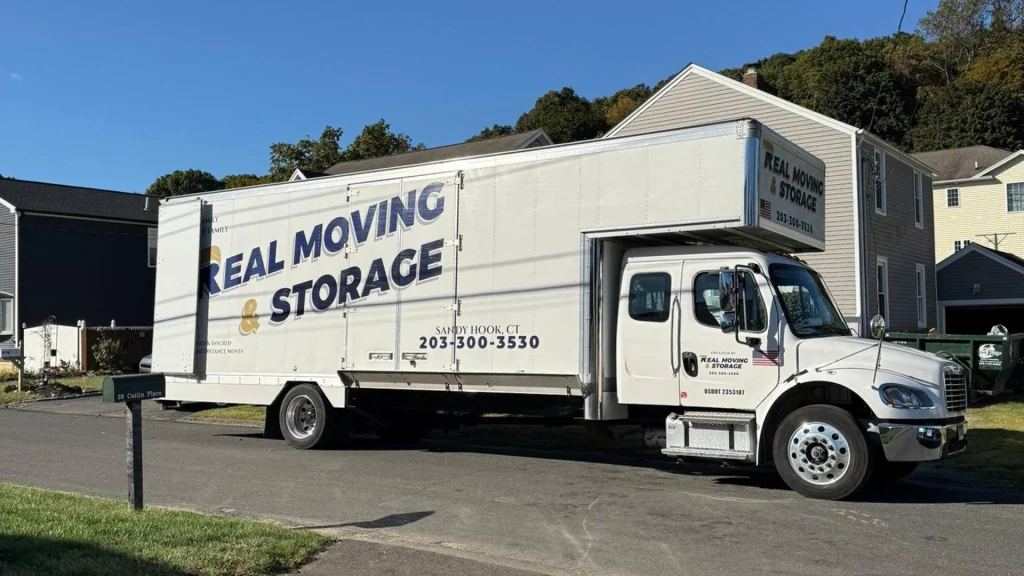
For people who value accountability, working with a long-established, family-run moving company can offer consistency across moves. Personalized coordination, private trucks, and direct communication often matter more than flashy branding—especially when handling work-critical items.
A Practical Example: Digital Nomad Relocation Done Right
Scenario:
A remote marketing consultant relocating within Fairfield County while managing international clients.
Challenges:
- Overlapping lease dates
- Work equipment sensitivity
- Tight relocation window
Outcome with proper planning:
- Decluttered to essentials only
- Local move completed within a single day
- Zero work disruption
- No storage required
The key difference was not speed—but planning with a problem-solving mindset.
A Thoughtful Note on Professional Support
Digital nomads benefit most from movers who understand flexibility, timing, and responsibility. Since 2006, some family-owned moving companies in Fairfield County have built their reputation on exactly that—handling moves with care, offering private trucks, and adapting to unique relocation needs rather than applying one-size-fits-all solutions.
Leadership backed by decades of hands-on experience often ensures smoother coordination, especially for professionals balancing work and relocation at the same time.
Final Takeaway: Relocation Is Part of the Digital Nomad Skillset
For digital nomads, relocation isn’t an interruption—it’s a recurring process. Treating it with the same strategy you apply to your work leads to better outcomes, lower stress, and more freedom.
Plan smarter. Move lighter. Stay productive—wherever you go.