Get a Free Estimate Today!
Restaurant Relocation Without Losing Customers
Restaurant Relocation is more than moving tables, kitchen equipment, and furniture. It is a business decision that affects your customers, employees, suppliers, and daily operations. A poorly planned move can lead to service interruptions, lost revenue, and unhappy customers. A well-planned move can create new opportunities, improve customer experience, and support long-term growth.
The biggest challenge is keeping your regular customers engaged while preparing your new location. People should know where you are moving, why you are moving, and when you will reopen. Clear communication and careful planning help reduce confusion and maintain customer trust.
This guide explains the practical steps involved in Restaurant Relocation. It focuses on reducing downtime, protecting your equipment, keeping customers informed, and preparing your new restaurant for a successful reopening.
Why Do Restaurants Choose Restaurant Relocation?
Every restaurant has different reasons for relocating. Sometimes the current space no longer supports business growth. In other cases, the surrounding area changes, making another location more suitable.
Some common reasons include:
- Need for a larger dining area.
- Better visibility and foot traffic.
- More convenient parking for customers.
- Lower rental costs.
- Business expansion.
- Lease expiration.
- Access to a new customer base.
Before making a final decision, evaluate how the new location supports your long-term business goals. Consider accessibility, nearby businesses, delivery routes, customer convenience, and future growth potential.
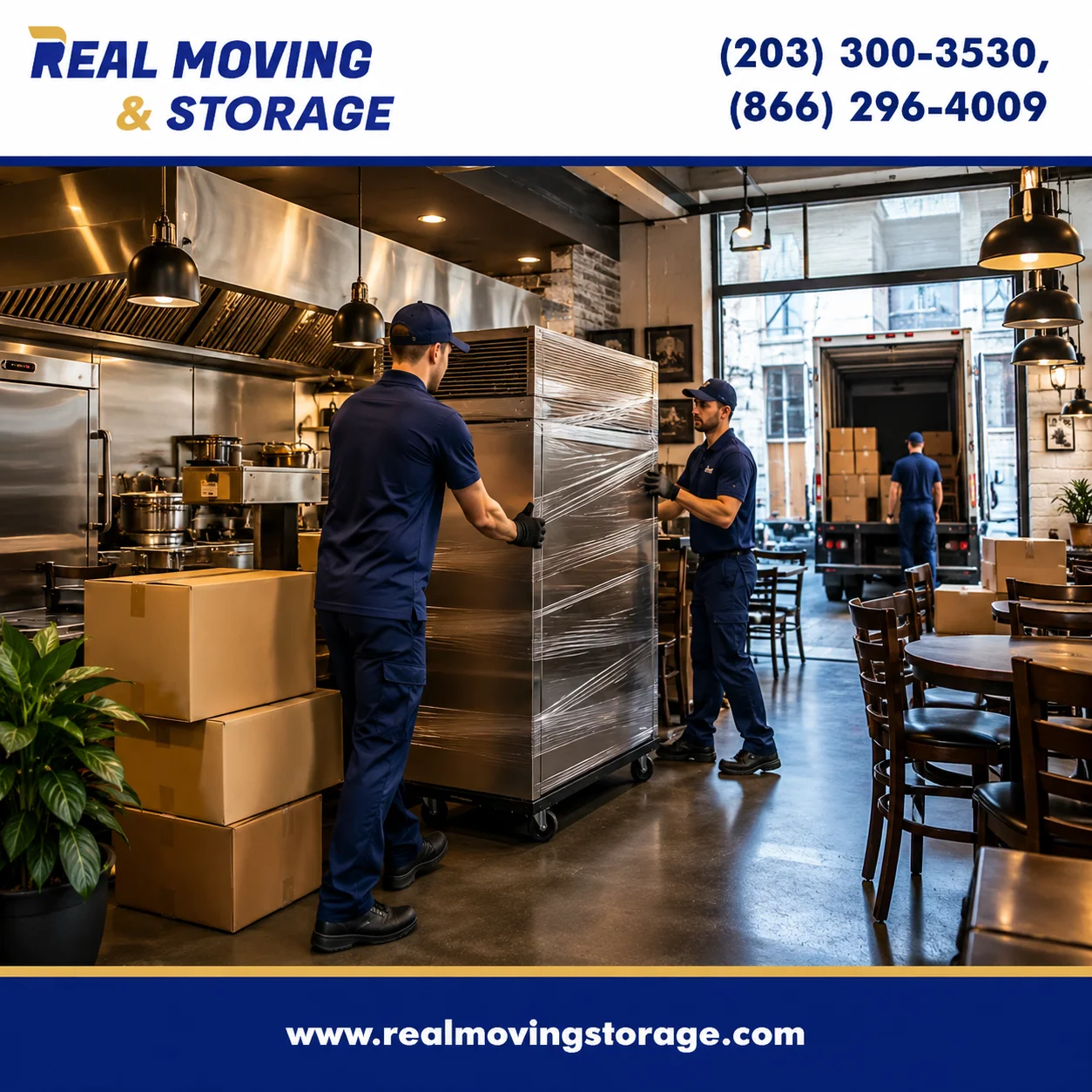
Create a Restaurant Relocation Plan Before Moving Day
A successful Restaurant Relocation begins several months before moving day. Planning early allows enough time to complete legal requirements, prepare employees, coordinate vendors, and avoid unnecessary delays.
Start by creating a detailed relocation schedule. Assign responsibilities to managers or team members. Keep every task organized with realistic deadlines.
Your relocation plan should include:
- Moving budget.
- Lease agreement for the new property.
- Utility transfer schedule.
- Equipment inventory.
- Packing timeline.
- Supplier coordination.
- Health inspection schedule.
- Business license updates.
- Marketing plan for reopening.
Having a structured plan reduces last-minute surprises. It also helps your staff understand their responsibilities throughout the moving process.
Restaurant Relocation Checklist
A simple checklist makes Restaurant Relocation easier to manage. Instead of remembering dozens of tasks, you can monitor progress and identify pending work before moving day.
| Task | Status |
|---|---|
| Finalize new lease | ☐ |
| Create equipment inventory | ☐ |
| Schedule professional movers | ☐ |
| Transfer utilities | ☐ |
| Update business licenses | ☐ |
| Notify suppliers | ☐ |
| Prepare food inventory | ☐ |
| Update website and online listings | ☐ |
| Train staff for the new location | ☐ |
| Plan reopening campaign | ☐ |
Review this checklist regularly. Small tasks completed early can prevent major disruptions later.
Inform Customers Before Your Restaurant Relocation
One of the biggest mistakes restaurant owners make is waiting until the last minute to announce their move. Customers may arrive at your previous location without knowing you have relocated.
Start communicating several weeks before your Restaurant Relocation. Give customers enough time to learn about the change.
You can share updates through:
- Your website.
- Email newsletters.
- Google Business Profile.
- Facebook and Instagram.
- Printed notices inside your restaurant.
- Receipts with the new address.
- Table tents and takeaway flyers.
Keep every announcement simple. Mention your new address, reopening date, parking information, and any special reopening event.
Customers appreciate transparency. Sharing the reason for your move, such as expanding your dining space or improving accessibility, helps maintain their confidence in your business.
Keep Your Staff Involved Throughout the Process
Your employees play an important role in Restaurant Relocation. They interact with customers every day and often answer questions about the move.
Hold regular meetings to keep everyone informed. Explain the relocation timeline, opening schedule, and any operational changes at the new location.
Encourage team members to report concerns early. Kitchen staff may identify equipment requirements. Front-of-house employees can provide useful feedback about customer expectations.
Good communication helps reduce uncertainty. It also creates a smoother transition for both employees and customers.
Budget for Hidden Restaurant Relocation Costs
Many restaurant owners focus only on transportation costs. However, Restaurant Relocation often involves additional expenses that should be included in your budget.
Examples include:
- Permit and inspection fees.
- Utility deposits.
- Temporary storage.
- Equipment servicing.
- New signage.
- Interior improvements.
- Marketing materials.
- Cleaning services.
Setting aside a contingency budget can help manage unexpected expenses without affecting your reopening schedule.
Choose Experienced Commercial Movers
Commercial kitchens contain heavy appliances and specialized equipment. Improper handling can lead to damage, costly repairs, or extended downtime.
Look for movers with experience in commercial relocations. Ask about equipment handling procedures, insurance coverage, transportation methods, and scheduling flexibility.
If your move also requires professional packing assistance, reviewing best practices for packing and unpacking services can help you prepare sensitive kitchen items more efficiently. This internal resource is relevant for planning safe packing before moving day.
Choosing experienced professionals helps reduce operational downtime and supports a smoother Restaurant Relocation from start to finish.
Select the Right Location for Long-Term Growth
The success of your Restaurant Relocation depends on more than the moving process. Your new location should support your business goals for years to come.
Study the surrounding area before signing a lease. Observe customer activity at different times of the day. Consider nearby businesses, parking availability, road access, and public transportation.
Ask yourself these questions before making a decision:
- Can customers easily find the restaurant?
- Is there enough parking?
- Does the neighborhood match your target audience?
- Will delivery drivers have easy access?
- Is there enough room for future expansion?
A great location does more than attract new customers. It also makes it easier for existing customers to continue visiting after your Restaurant Relocation.
Protect Commercial Kitchen Equipment During Restaurant Relocation
Commercial kitchen equipment is expensive and often delicate. Poor handling can result in equipment damage, costly repairs, and delayed reopening.
Create an inventory before disconnecting anything. Photograph every appliance and record its condition. Label electrical connections, gas lines, and removable parts so installation becomes easier at the new location.
Items that usually require extra care include:
- Walk-in refrigerators and freezers.
- Commercial ovens.
- Flat-top grills.
- Deep fryers.
- Dishwashers.
- Ice machines.
- Coffee equipment.
- POS systems.
Professional movers understand how to transport oversized equipment safely. They also use proper lifting equipment and protective packing materials to reduce the risk of damage.
Manage Food Inventory Before Moving Day
Food safety should remain a priority throughout your Restaurant Relocation. Moving is a good opportunity to review inventory and reduce unnecessary waste.
Plan your purchasing carefully during the final weeks before the move. Order only the ingredients you expect to use before closing.
Separate inventory into three groups:
- Items to use before moving.
- Items suitable for transportation.
- Items that should be discarded safely.
Keep refrigerated and frozen products within safe temperature ranges during transportation. Dry ingredients should be packed in sealed, clearly labeled containers to avoid contamination.
A well-managed inventory reduces waste and allows your kitchen to resume operations more quickly.
Transfer Licenses, Utilities, and Business Information
Restaurant Relocation involves more than moving equipment. Several administrative updates should be completed before reopening.
Review the requirements that apply to your business and location.
- Business license.
- Health department approval.
- Food service permits.
- Fire safety inspection.
- Liquor license, if applicable.
- Water, gas, electricity, and internet services.
Schedule inspections early whenever possible. Waiting until the final week can delay your reopening.
Update Your Online Presence After Restaurant Relocation
Many customers search online before visiting a restaurant. Outdated business information can lead them to your previous location.
Update your business details immediately after confirming your move.
Remember to update:
- Google Business Profile.
- Your website.
- Facebook business page.
- Instagram profile.
- Online reservation platforms.
- Food delivery platforms.
- Local business directories.
Check that your address, phone number, operating hours, and map location are consistent everywhere. Accurate information helps customers find your new restaurant without confusion.
Reduce Downtime During Restaurant Relocation
Every day your restaurant remains closed can affect revenue and customer loyalty. Reducing downtime should be one of the main goals of your Restaurant Relocation plan.
Coordinate moving dates with contractors, utility providers, equipment installers, and inspectors. Try to complete kitchen installation before furniture delivery so different teams can work efficiently.
Preparing a detailed moving schedule also helps avoid unexpected delays. You may find additional planning ideas in this guide on creating a moving timeline, which explains how organized scheduling supports a smoother relocation process.
Working with an Experienced Commercial Moving Team
Restaurant Relocation often requires careful coordination between restaurant owners, contractors, suppliers, and professional movers. Choosing an experienced commercial moving company can make that process more manageable.
At Real Moving & Storage, we have proudly served residential and commercial customers since 2006. As a family-owned moving company founded by Lucas Pinto, who brings more than 25 years of industry experience, we understand that business moves require careful planning, reliable scheduling, and professional handling of valuable equipment.
Our team provides commercial moving, professional packing, and storage solutions using privately owned trucks and trained moving crews. The goal is always to help businesses relocate with as little disruption as possible while protecting their equipment and inventory throughout the move.
If you would like to discuss your upcoming commercial move, you can reach our team at (203) 300-3530 or (866) 296-4009. Our Bethel office is located at 13 Francis J Clarke Cir, Bethel, CT, and we also serve customers from 808 Post Road, Fairfield, CT.
You can also learn more about our company, explore our moving services, or contact our team to discuss your relocation requirements.
Train Your Team Before Reopening
A successful Restaurant Relocation does not end when the last piece of equipment arrives. Your employees should feel confident working in the new space before customers return.
Schedule training sessions a few days before reopening. Walk every team member through the kitchen, dining area, storage rooms, and emergency exits. Explain any changes to workflows or daily responsibilities.
Training should include:
- Kitchen workflow and food preparation stations.
- New seating arrangements.
- Updated POS systems.
- Emergency procedures.
- Delivery and pickup processes.
- Customer service expectations.
A prepared team can serve customers more efficiently from the first day.
Host a Soft Opening Before the Grand Reopening
A soft opening gives your team time to adjust before serving a full crowd. It also allows you to identify small operational issues that may otherwise affect customer experience.
Invite family members, loyal customers, local businesses, or community partners for a limited-service event.
During the soft opening, observe:
- Food preparation time.
- Table service.
- Kitchen communication.
- Payment process.
- Customer flow.
- Parking and accessibility.
Gather feedback from guests and make improvements before your official reopening.
Create a Grand Reopening Marketing Plan
Your Restaurant Relocation deserves attention from both existing and new customers. A thoughtful reopening campaign can help rebuild momentum quickly.
Instead of announcing your move only once, create a series of updates before and after reopening.
Ideas include:
- Countdown posts on social media.
- Email announcements.
- Grand reopening discounts.
- Loyalty rewards for returning customers.
- Behind-the-scenes photos of the new restaurant.
- Community partnerships.
- Local media announcements.
Keep the focus on your new location, improved customer experience, and reopening date. Consistent communication encourages customers to visit your new restaurant sooner.
Common Restaurant Relocation Mistakes to Avoid
Many Restaurant Relocation projects become stressful because small details are overlooked. Avoiding common mistakes helps reduce unnecessary delays and expenses.
- Starting the planning process too late.
- Failing to notify regular customers.
- Ignoring permit and inspection deadlines.
- Ordering excess food before moving.
- Not updating online business listings.
- Hiring movers without commercial experience.
- Skipping equipment inspections after installation.
- Opening before staff training is complete.
Review every stage of your relocation plan carefully. Addressing problems early is much easier than solving them after reopening.
Final Restaurant Relocation Checklist
- Secure your new restaurant location.
- Finalize your moving timeline.
- Complete equipment inventory.
- Notify employees and suppliers.
- Inform customers in advance.
- Update business listings and contact information.
- Transfer permits and utilities.
- Install and test kitchen equipment.
- Conduct employee training.
- Organize a soft opening.
- Launch your grand reopening campaign.
Completing each step before reopening can help your Restaurant Relocation move forward with fewer disruptions and a better experience for both your team and your customers.
Frequently Asked Questions
How far in advance should I start planning a Restaurant Relocation?
Most restaurants benefit from starting the planning process three to six months before the expected moving date. This provides enough time for permits, equipment planning, staff preparation, and customer communication.
How can I reduce downtime during Restaurant Relocation?
Create a detailed moving schedule, coordinate with contractors, prepare the new location before moving equipment, and complete inspections as early as possible.
Should I update my online business information before reopening?
Yes. Update your website, Google Business Profile, social media pages, reservation platforms, and online directories so customers can easily find your new location.
Why should I hire experienced commercial movers?
Commercial movers understand how to transport heavy kitchen equipment, protect valuable assets, and coordinate business relocations while minimizing operational interruptions.
Is a soft opening necessary after Restaurant Relocation?
A soft opening is not mandatory, but it is highly recommended. It gives your team an opportunity to test operations, identify issues, and improve service before welcoming a larger number of customers.
Conclusion
Restaurant Relocation requires careful planning, clear communication, and attention to detail. Every decision, from choosing the right location to preparing your staff and updating your online presence, influences how smoothly your business transitions to its new home.
Instead of treating the move as a simple transportation project, approach it as an opportunity to strengthen your business. A structured relocation plan helps protect your customer relationships, reduces operational downtime, and prepares your restaurant for future growth.
With experienced planning, professional support, and consistent communication, your Restaurant Relocation can become the foundation for your restaurant’s next chapter while maintaining the trust you have already built with your customers.