Get a Free Estimate Today!
The Role of Dispatch Coordinators in Interstate Relocations
When people think about moving, they usually picture movers loading boxes, driving trucks, and unloading belongings at the destination. What most people don’t see is the extensive coordination happening behind the scenes.
One of the most important professionals involved in any interstate relocation is the dispatch coordinator.
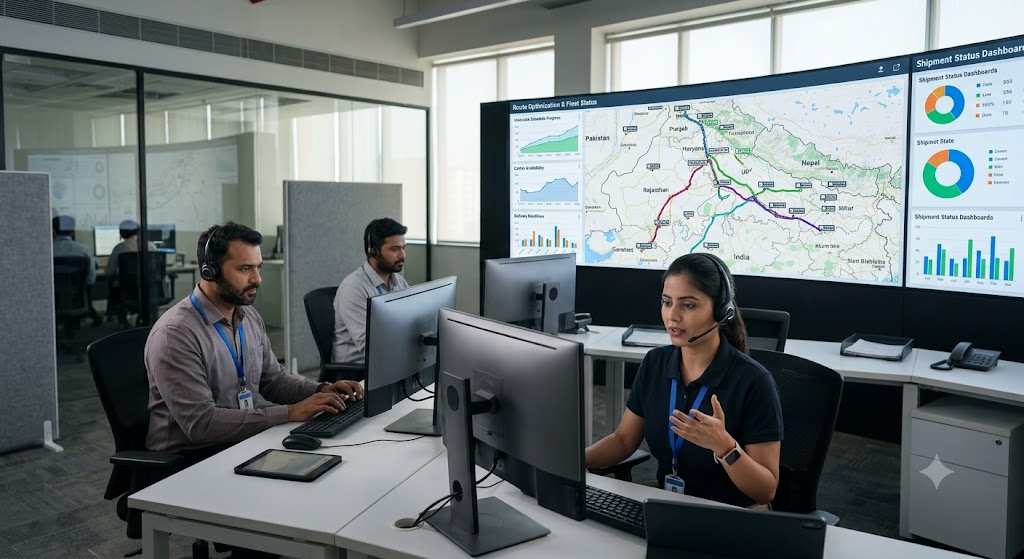
A dispatch coordinator serves as the central communication hub between customers, drivers, moving crews, project managers, warehouses, and transportation teams. Their job is to ensure every moving component works together efficiently.
Without effective dispatch coordination, interstate moves can quickly experience delays, communication breakdowns, scheduling conflicts, and transportation challenges.
This guide explains the role of dispatch coordinators in interstate relocations, why they are critical to moving success, and how their work helps create smoother long-distance moving experiences.
At Real Moving & Storage, we understand that successful interstate relocations depend on more than transportation. They require careful coordination, proactive communication, and experienced logistical oversight throughout the moving process.
What Does a Dispatch Coordinator Do?
A dispatch coordinator manages the operational side of a move by coordinating schedules, transportation resources, crew assignments, and communication between all parties involved.
Their primary objective is to ensure the relocation stays organized and on schedule.
Key responsibilities often include:
- Scheduling moving crews
- Coordinating truck assignments
- Managing transportation timelines
- Monitoring shipment progress
- Communicating with customers
- Resolving logistical issues
- Tracking delivery schedules
- Supporting drivers and field teams
Think of a dispatch coordinator as the project manager responsible for keeping every moving component aligned.
Why Dispatch Coordinators Are Essential for Interstate Moves?
Local moves are often completed within a single day. Interstate relocations are much more complex.
Long-distance moves involve:
- Extended transportation schedules
- Multiple crews
- Cross-state logistics
- Weather considerations
- Traffic challenges
- Delivery scheduling
- Inventory tracking
Without centralized coordination, these variables can create costly disruptions.
Dispatch coordinators help prevent problems by maintaining visibility over the entire relocation process.
Coordinating Transportation Logistics
One of the dispatch coordinator’s most important responsibilities is transportation management.
This includes:
- Assigning trucks
- Scheduling drivers
- Monitoring travel routes
- Managing delivery windows
- Tracking transportation progress
For interstate relocations, transportation logistics can become extremely complex due to varying road conditions, state regulations, and scheduling requirements.
Customers working with a Long Distance Moving Company in Fairfield CT often benefit from dedicated dispatch coordination that helps maintain communication and shipment visibility throughout the move.
Managing Communication Between All Parties
Communication failures are one of the most common causes of relocation problems.
A dispatch coordinator serves as the central communication point between:
- Customers
- Moving crews
- Drivers
- Warehouse teams
- Project managers
- Operations departments
Rather than relying on multiple individuals for updates, customers typically receive information through a coordinated communication process.
This improves accuracy and reduces confusion.
Scheduling Pickup and Delivery Operations
Interstate relocations involve more than simply moving belongings from one location to another.
Dispatch coordinators carefully manage:
- Pickup schedules
- Loading windows
- Transportation timelines
- Delivery appointments
- Crew availability
Proper scheduling helps ensure that resources are available when needed and that customers receive realistic delivery expectations.
Inventory Tracking and Shipment Visibility
Inventory management becomes increasingly important as transportation distances grow.
Dispatch coordinators often oversee tracking systems that help monitor:
- Shipment status
- Vehicle locations
- Inventory transfers
- Storage movements
- Delivery confirmations
Maintaining visibility throughout the move helps reduce customer anxiety and improves operational efficiency.
This level of oversight is especially valuable during large interstate relocations involving multiple shipments or temporary storage solutions.
Handling Unexpected Challenges During Transit
Even the best relocation plans encounter occasional obstacles.
Common interstate moving challenges include:
- Severe weather
- Traffic delays
- Road closures
- Vehicle issues
- Schedule changes
- Access restrictions
Dispatch coordinators play a critical role in responding to these situations.
They develop contingency solutions, adjust schedules, and communicate updates to affected parties.
This proactive approach helps minimize disruptions and keeps the move progressing.
The Dispatch Coordinator’s Role in Long-Distance Relocations
Long-distance moves often require more coordination than local relocations because shipments may remain in transit for several days.
Dispatch coordinators help manage:
- Route planning
- Driver scheduling
- Customer communication
- Delivery timing
- Transportation compliance
For customers planning Long Distance Moving from Connecticut to South Carolina, dispatch coordination helps ensure that transportation schedules, shipment tracking, and delivery expectations remain aligned throughout the relocation journey.
Supporting Commercial Interstate Relocations
Commercial relocations introduce additional layers of complexity.
Businesses often require:
- Multiple delivery phases
- Department coordination
- Technology transportation schedules
- Business continuity planning
- Equipment tracking systems
Dispatch coordinators work closely with commercial project managers to support these requirements.
Organizations utilizing Commercial Moving Services in Westport CT frequently depend on dispatch teams to coordinate transportation resources, delivery schedules, and operational timelines during relocation projects.
Coordinating Packing and Moving Schedules
Dispatch responsibilities often begin before transportation starts.
Many interstate moves require coordination between packing crews and transportation teams.
Dispatch coordinators help schedule:
- Packing services
- Inventory preparation
- Loading operations
- Transportation departures
- Delivery appointments
Customers using Packing and Unpacking Services in Norwalk CT often benefit from dispatch coordination that ensures packing activities align properly with transportation schedules.
Technology Used by Modern Dispatch Coordinators
Today’s dispatch professionals rely on technology to improve efficiency and communication.
Common tools include:
- GPS tracking systems
- Fleet management software
- Inventory management platforms
- Scheduling systems
- Customer communication tools
- Digital documentation platforms
These technologies help provide real-time visibility throughout the relocation process.
Skills That Make a Great Dispatch Coordinator
Successful dispatch coordinators possess a combination of technical and interpersonal skills.
Important qualities include:
- Strong organization
- Problem-solving ability
- Attention to detail
- Communication skills
- Time management
- Logistics expertise
- Adaptability under pressure
Because interstate relocations involve many moving parts, coordinators must remain flexible while maintaining control over the process.
Common Misconceptions About Dispatch Coordinators
Many people assume dispatchers simply answer phones and assign drivers.
In reality, dispatch coordinators:
- Manage logistics
- Monitor transportation progress
- Coordinate schedules
- Resolve operational issues
- Support customer communication
- Improve relocation efficiency
Their role extends far beyond scheduling and serves as a critical component of successful interstate moving operations.
How Real Moving & Storage Uses Dispatch Coordination to Improve Relocations?
At Real Moving & Storage, dispatch coordination plays a vital role in ensuring smooth long-distance and interstate relocations. Our team works closely with drivers, moving crews, project managers, and customers to maintain communication and keep projects on track.
Since 2006, our family-owned company has focused on providing reliable moving services supported by careful planning and personalized attention. Founded by Lucas Pinto, who brings more than 25 years of moving industry experience, Real Moving & Storage remains committed to helping customers navigate relocations with confidence.
Frequently Asked Questions
What does a dispatch coordinator do during a move?
A dispatch coordinator manages schedules, transportation logistics, communication, inventory tracking, and operational coordination throughout the relocation process.
Why are dispatch coordinators important for interstate moves?
Interstate relocations involve complex logistics, multiple schedules, and transportation challenges that require centralized coordination.
Do dispatch coordinators communicate directly with customers?
Yes. Dispatch coordinators often provide updates, answer questions, and communicate schedule changes throughout the move.
How do dispatch coordinators track shipments?
Many dispatch teams use GPS tracking systems, inventory management software, and transportation monitoring tools to maintain shipment visibility.
Can dispatch coordinators help prevent moving delays?
Yes. By coordinating schedules, monitoring transportation progress, and addressing logistical issues quickly, dispatch coordinators help reduce the risk of delays.