Get a Free Estimate Today!
How Professional Movers Handle Large Scale Relocation Planning
Large scale relocation planning is a structured process. It is not just about packing and shifting items. Every step needs coordination, timing, and clear execution. Even a small mistake can slow down operations. Therefore, businesses depend on professional movers to manage complex relocations.
At a basic level, moving an office looks simple. However, large relocations involve people, systems, and infrastructure. In real situations, things become complicated. Traffic delays, building restrictions, and limited access points add pressure. As a result, planning becomes the most important part of the move.
Professional movers follow a defined workflow. They rely on data, not assumptions. This helps them reduce risk and avoid delays. If you want to understand how planning impacts business continuity, you can review how to minimize downtime during an office move.
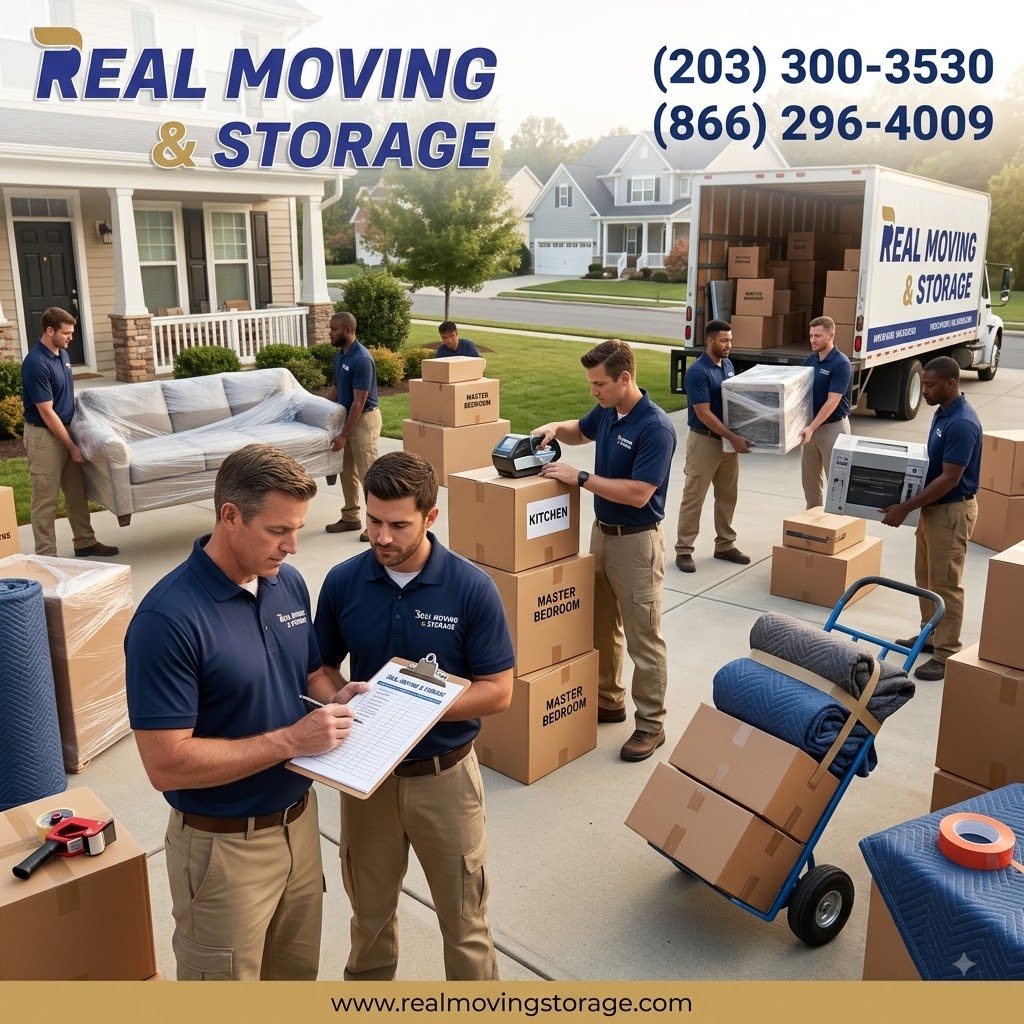
What Is Large Scale Relocation Planning?
Large scale relocation planning refers to the organized movement of offices or commercial setups. It involves multiple departments and assets. The goal is to shift everything without affecting daily operations.
When Does a Move Become Large Scale?
A move becomes large scale when multiple teams are involved. It usually includes more than 100 employees. In addition, it often involves IT infrastructure, servers, and sensitive documents. These factors increase the level of coordination required.
Moreover, the move must follow a strict timeline. Business downtime needs to stay low. Therefore, companies focus more on planning than transportation.
Why Professional Planning Is Important?
Large relocations have many moving parts. Without planning, confusion is common. Delays can affect business operations. In some cases, asset damage or loss may happen. Therefore, professional support becomes necessary.
Experienced movers create structured plans. They assign tasks clearly. Each team knows its role. This reduces errors during execution. To understand the value of expert handling, you can read why commercial relocation requires project management expertise.
Additionally, proper planning helps avoid unexpected issues. For example, you can explore how to handle unexpected challenges during long distance moves to understand common risks.
Step-by-Step Large Scale Relocation Planning Process
1. Site Survey and Initial Assessment
Every relocation begins with a site survey. This step is essential. It helps identify problems before execution starts.
Movers inspect both locations. They review floor layouts, lift access, and entry points. In addition, they check parking areas and loading distances. These factors directly affect manpower and time.
Building rules also play a role. Some locations restrict movement during peak hours. Therefore, movers plan schedules accordingly. In complex cases, professionals also study access challenges in detail. You can refer to how movers handle restricted access buildings efficiently.
2. Resource Planning and Capacity Estimation
After the survey, resource planning begins. Movers calculate manpower, vehicles, and materials. They do not guess. Instead, they use real data.
They count workstations and storage units. They also evaluate server setups and special equipment. Based on this, they assign teams and tools. This approach avoids last-minute shortages.
Inventory plays a key role here. Proper tracking prevents confusion. If you want deeper insights, you can check the importance of taking inventory before a move.
3. Creating a Relocation Strategy and Timeline
Once resources are finalized, movers create a relocation plan. This plan includes phases, timelines, and execution strategy. Each stage is clearly defined.
Most large relocations happen in phases. Departments may shift one at a time. In some cases, work happens at night or on weekends. This reduces disruption.
Additionally, planners include buffer time. This helps manage delays. A project manager usually handles coordination. This improves communication between teams. You can also review a complete moving timeline before, during, and after relocation.
4. Specialized Packing for Office Assets
Packing varies based on asset type. Different items need different handling methods. Therefore, professionals use specialized packing techniques.
IT Equipment and Servers
IT systems require careful handling. Movers use anti-static materials. They label cables and connections clearly. This helps during setup.
In many cases, servers are moved separately. This reduces risk. For detailed practices, you can read best practices for moving IT equipment safely.
Furniture and Workstations
Furniture is dismantled before transport. Each component is labeled. Hardware is packed separately. This ensures quick reassembly.
Protection is also important. Movers use padding for glass and delicate surfaces. This prevents damage during transit.
Documents and Confidential Records
Sensitive documents require secure handling. Movers use locked containers. They maintain tracking logs for accountability.
For additional protection methods, you can explore how businesses protect sensitive documents during relocation.
5. Inventory Tracking and Labelling Systems
In large scale relocation planning, inventory control is critical. Even a small mismatch can create delays. Therefore, professional movers use structured tracking systems.
Each item is labeled before packing. Labels include department names, floor details, and unique codes. This makes identification easy during unloading.
In addition, movers maintain inventory lists. These lists track every carton and asset. As a result, nothing gets misplaced. For a deeper understanding, you can review labeling tips for easy unpacking.
Digital tracking tools are also used. These tools help monitor movement in real time. Therefore, teams can quickly resolve issues if they arise.
6. Transportation and Fleet Management
Transportation is more than moving items from one place to another. It requires planning and coordination. Movers decide the number of vehicles based on load size.
Different vehicles are used for different assets. For example, IT equipment may require special handling. General furniture is moved in standard trucks. This separation reduces risk.
Route planning is also important. Movers avoid peak traffic hours. They also consider road restrictions and delays. As a result, deliveries stay on schedule.
In long distance moves, timing becomes even more important. If you want to understand this better, you can read how long long distance movers take.
7. On-Ground Team Coordination
A successful relocation depends on team coordination. Every team member has a defined role. This reduces confusion during execution.
Movers assign specialists for different tasks. Some handle IT equipment. Others manage furniture or documents. Supervisors oversee each section.
Communication between teams is constant. This helps resolve issues quickly. For example, delays at loading points can be managed without affecting the entire plan.
To understand how professionals prepare teams, you can explore how movers prepare crews for safe handling.
8. Risk Management and Safety Protocols
Large relocations involve risks. These include damage, delays, and safety concerns. Therefore, risk planning is a key part of the process.
Movers identify high-risk items early. These may include servers, fragile equipment, or confidential data. Special handling is planned for such assets.
Insurance also plays an important role. It protects against unexpected losses. To learn more, you can read moving insurance explained.
Safety protocols are followed at every stage. Workers use proper equipment. Load handling is monitored carefully. This reduces accidents and damage.
Additionally, movers prepare for unexpected disruptions. You can refer to handling unexpected issues on moving day to understand how professionals manage such situations.
9. Technology and Real-Time Monitoring
Modern relocation planning uses technology. It improves visibility and control. Therefore, clients can track progress without constant follow-up.
GPS tracking is commonly used for vehicles. This helps monitor movement in real time. Delays can be identified early.
Project managers use dashboards to track progress. These dashboards show task completion and pending work. As a result, decisions can be made quickly.
Technology also improves communication. Teams receive updates instantly. This reduces confusion during execution. For more insights, you can explore how moving companies use technology to stay organized.
10. Unpacking, Installation and Setup
The relocation process does not end after transportation. In fact, unpacking is equally important. A structured approach ensures quick setup.
Movers follow a priority sequence. IT systems are set up first. This allows teams to resume work early. After that, workstations and furniture are arranged.
Each item is placed based on pre-defined layouts. This avoids confusion. It also reduces the need for rearrangement later.
Proper labeling helps during this stage. Teams can identify items quickly. If you want to improve this process, you can explore effective labeling tips for easy unpacking.
Installation teams then handle final setup. This includes reconnecting systems and testing infrastructure. Only after verification is the move considered complete.
Common Challenges in Large Scale Relocation Planning
Large relocations often face challenges. However, proper planning can reduce most of them.
One common issue is timeline miscalculation. Without proper estimation, delays occur. Therefore, professionals always include buffer time.
Another challenge is poor coordination. When teams are not aligned, errors increase. As a result, communication becomes critical.
Asset handling is also a concern. Sensitive equipment requires careful packing. You can read safety tips for handling large items to understand this better.
Unexpected disruptions can also occur. Weather, access issues, or technical problems may slow down progress. Therefore, having backup plans is essential.
Why Businesses Choose Professional Movers?
Businesses prefer professionals for one simple reason. They reduce risk. A structured approach ensures smooth execution.
Professional movers follow tested systems. They plan every stage in advance. This reduces uncertainty during execution.
They also handle complex logistics. This includes coordination between teams, vehicles, and locations. As a result, internal staff can focus on core work.
If you are comparing options, you can review hire movers vs DIY move comparison to understand the difference.
How to Choose the Right Relocation Partner?
Choosing the right partner is important. Experience should be your first priority. Companies with proven processes deliver better results.
Check if the company offers project management support. This ensures proper coordination during the move.
Also, review their safety practices. Insurance coverage is another key factor. You can explore what insured moving services mean for better clarity.
Finally, look for transparency. Clear communication helps avoid confusion later.
Plan Your Large Scale Relocation the Right Way
Large scale relocation planning requires attention to detail. Each stage must be handled carefully. A structured process reduces delays and risk.
Professional movers bring experience and systems. They manage planning, execution, and setup. As a result, businesses can continue operations with minimal disruption.
If you are preparing for a move, start planning early. You can also review office relocation planning guide to get additional insights.
A well-planned move is not just about shifting assets. It is about maintaining continuity. Therefore, the right planning approach makes all the difference.