Get a Free Estimate Today!
How to Track Your Items During Transit?
Moving can feel uncertain. You pack everything. Then your belongings leave your home. After that, one question stays in your mind—where are your items right now?
That is where tracking becomes important. When you track your items during transit, you stay informed at every step. It reduces stress. It also helps you plan better.
In this guide, you will learn how tracking works, which methods are used, and how to check your shipment in real time.
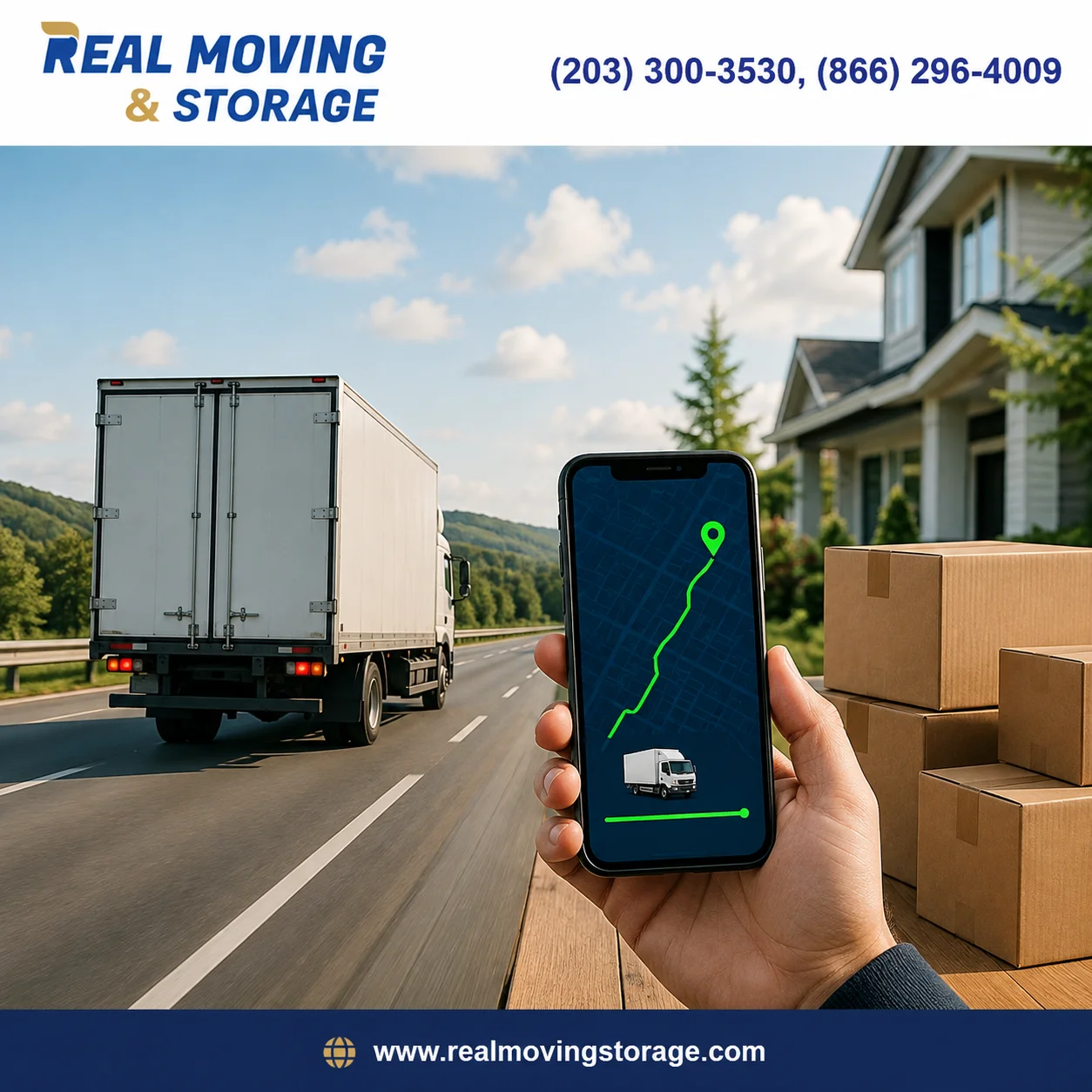
What Does It Mean to Track Your Items During Transit?
Tracking during transit means monitoring the location and movement of your shipment while it is being transported. It starts once your items are picked up. It ends when they are delivered.
Most professional movers now provide tracking support. This can be through a tracking number, mobile updates, or direct communication.
If you are planning a relocation, understanding the roles of movers and packers helps you know how tracking fits into the entire process.
How Modern Tracking Systems Work in Moving and Storage?
Tracking systems rely on different technologies. Each method serves a purpose. Some provide real-time location. Others update status at checkpoints.
Here are the most common systems used today:
GPS Tracking for Real-Time Location
GPS tracking shows the live position of the moving truck. It uses satellites to provide accurate updates.
This method is useful for long-distance moves. You can check where your items are at any time.
RFID Tracking for Checkpoint Updates
RFID tags are attached to shipments or vehicles. These tags are scanned at different locations.
This does not always provide live tracking. However, it shows when your shipment reaches key points.
IoT Monitoring for Sensitive Items
IoT devices track conditions inside the truck. They monitor temperature, movement, and humidity.
This is helpful for fragile or valuable items. It ensures that your belongings stay safe during transit.
Barcode and QR Code Tracking
Barcode systems are widely used. Each shipment gets a unique code. It is scanned during loading and unloading.
This method gives regular status updates. It works well for both local and long-distance moves.
Step-by-Step Process to Track Your Items During Transit
Tracking your shipment is simple. Most companies follow a similar process.
1. Get Your Tracking Number
After booking your move, you receive a tracking ID. Keep it safe. You will need it to check updates.
2. Visit the Tracking Page
Go to your mover’s website. Look for the tracking section.
If you are planning your move, you can also review how to ensure a stress-free long-distance move to stay prepared.
3. Enter the Tracking Details
Type your tracking number. Submit it. The system will show your shipment status.
4. Understand the Shipment Status
Status updates tell you what is happening. Common updates include pickup, in transit, and delivery.
Understanding Shipment Status Updates
Tracking is useful only when you understand the updates. Here are the most common terms:
Booked
Your move has been scheduled. The company is preparing for pickup.
Picked Up
Your items have been collected. They are now on the way.
In Transit
Your shipment is moving toward the destination.
At Warehouse
Your items are stored temporarily before the next step.
Out for Delivery
Your shipment is close. Delivery will happen soon.
Delivered
Your items have reached your new location.
Common Problems While Tracking Shipments
Tracking systems are helpful. However, issues can still occur.
Delayed Updates
Sometimes tracking does not update instantly. This can happen due to network delays.
Incorrect Location
The system may show a nearby location instead of the exact spot.
Tracking ID Not Working
This usually happens if the number is entered incorrectly. Double-check the details.
If problems continue, contact your moving company directly.
Is It Safe to Track Your Items During Transit?
Yes, tracking is generally safe. Professional companies use secure systems.
Still, you should stay careful. Do not share your tracking details with unknown sources.
Before hiring movers, check their credibility. You can review red flags to avoid when hiring a moving company to make a better decision.
Do All Moving Companies Offer Tracking?
No, not every company provides tracking services. Smaller or local movers may rely on manual updates.
Professional movers usually offer better tracking systems. They may provide GPS tracking or app-based updates.
If you are comparing options, reading about why to hire local movers can help you choose wisely.
About Real Moving & Storage
At Real Moving & Storage, we are a family-owned company serving Fairfield, CT since 2006. With experienced leadership and dedicated crews, we focus on reliable moving, careful handling, and a smooth relocation experience for every customer.
Practical Tips to Track Your Items During Transit Without Stress
Tracking works best when you stay prepared. A few simple steps can make a big difference.
Keep Your Tracking Details Safe
Always store your tracking ID in one place. Save it on your phone. You can also email it to yourself.
This helps you access updates quickly. It also avoids delays when you need information.
Take Photos Before Transit
Click clear photos of your items before loading. This creates a record.
If anything goes wrong, you have proof of condition and quantity.
Stay in Contact With Your Movers
Tracking systems are helpful. Still, direct communication matters.
Ask for updates if you notice delays. Good movers will respond clearly.
Understand the Moving Timeline
Every move follows a timeline. Knowing it helps you interpret tracking updates.
You can read a complete moving timeline before, during, and after relocation to stay informed at each stage.
Advanced Tracking Features You Should Know
Modern moving companies offer more than basic tracking. These features improve visibility.
Mobile App Tracking
Some companies provide mobile apps. These apps show live updates.
You can check status anytime without calling support.
SMS and Email Notifications
You receive alerts at each stage. For example, pickup confirmation or delivery updates.
This keeps you informed without checking repeatedly.
Condition Monitoring for Sensitive Goods
Advanced systems track temperature and movement. This protects delicate items.
It is useful when transporting electronics or valuables.
Live Tracking vs Manual Updates: What to Expect
Not all tracking systems work the same way. Understanding the difference helps you set expectations.
Live Tracking
Provides real-time location. You can see where your shipment is moving.
This is common in long-distance and premium moving services.
Manual Updates
Updates are added at checkpoints. You may not see continuous movement.
This method is still reliable. However, it offers less visibility.
How to Choose a Moving Company With Reliable Tracking?
Tracking depends on the company you hire. So, choose carefully.
Check Available Tracking Options
Ask if they provide GPS tracking or app-based updates.
Clear tracking methods show professionalism.
Review Their Experience
Experienced movers handle logistics better. They also maintain accurate tracking systems.
If you are unsure, reading about why hiring professional movers matters can help you decide.
Understand Their Communication Process
Ask how they share updates. Some provide real-time alerts. Others rely on calls.
Choose a company that matches your comfort level.
What to Do If Tracking Stops Updating?
Sometimes tracking pauses. This does not always mean a problem.
Wait for a Few Hours
Systems can delay updates. This is common during long routes.
Verify Your Tracking Details
Check your tracking number again. Small errors can block results.
Contact Customer Support
If the issue continues, reach out to your moving company.
You can also learn how professionals handle unexpected situations by reading how to manage challenges during long-distance moves.
Tracking is not just about location. It gives control and confidence.
When you track your items during transit, you stay aware of delays. You can also plan your schedule better.
This reduces uncertainty. It also improves your overall moving experience.
Frequently Asked Questions
Can I track my items in real time during a move?
Yes, many professional movers provide real-time tracking. This usually works through GPS systems or mobile apps.
How accurate is shipment tracking?
Accuracy depends on the system used. GPS tracking offers precise location updates, while manual systems provide checkpoint-based information.
What should I do if my tracking is not updating?
First, wait for some time. Then verify your tracking number. If the issue continues, contact your mover for clarification.
Is tracking available for local moves?
It depends on the company. Some local movers provide updates, while others rely on direct communication.
Final Thoughts on Tracking Your Items During Transit
Tracking adds clarity to your move. It helps you stay informed and prepared.
When you understand how tracking works, you avoid confusion. You also make better decisions during relocation.
Choose a moving company that offers clear tracking systems. Stay organized. Keep communication open.
This way, you can track your items during transit with confidence and peace of mind.